

HUTECH promotes a culture of collaborative leadership and conflict resolution for sustainable development
- 05/06/2026

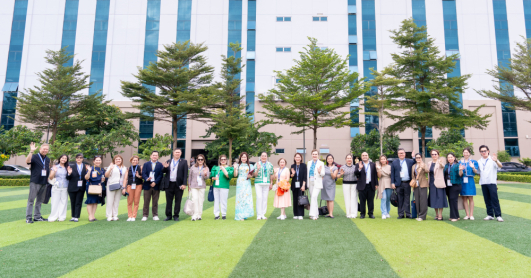
In May 2026, Ho Chi Minh City University of Technology (HUTECH) collaborated with the Sustainable Impact Leadership Network (SILN) and the Young Southeast Asian Leaders Initiative (YSEALI) under the U.S. Department of State, and experts from the University of Montana (USA) to organize seminars and workshops for students and faculty members. Through these events, participants gained practical insights into collaborative leadership, conflict resolution, and the role of these competencies in fostering sustainable learning, working, and community environments.
The events not only enhanced the capabilities of HUTECH students and personnel but also promoted the values of dialogue, collaboration, and meaningful connection in an increasingly internationalized higher education landscape.
Fostering Collaborative Leadership for the Next Generation
Fostering Collaborative Leadership for the Next Generation
 |
 |
 |
 |
 |
 |
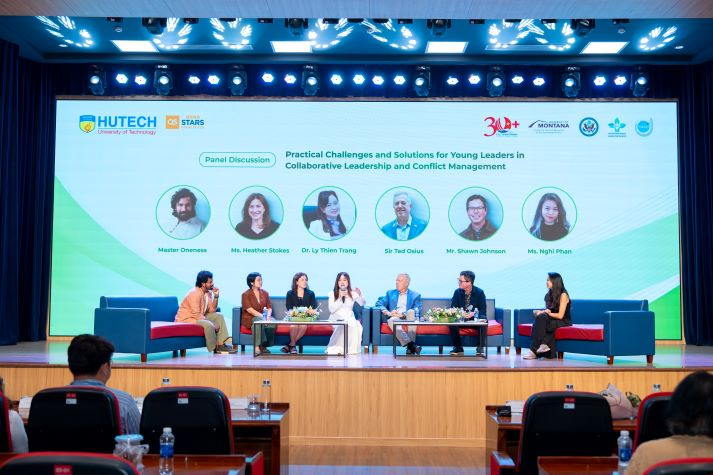
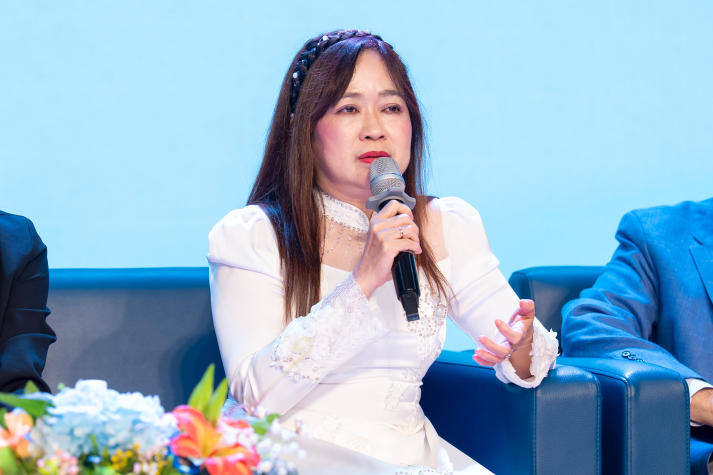
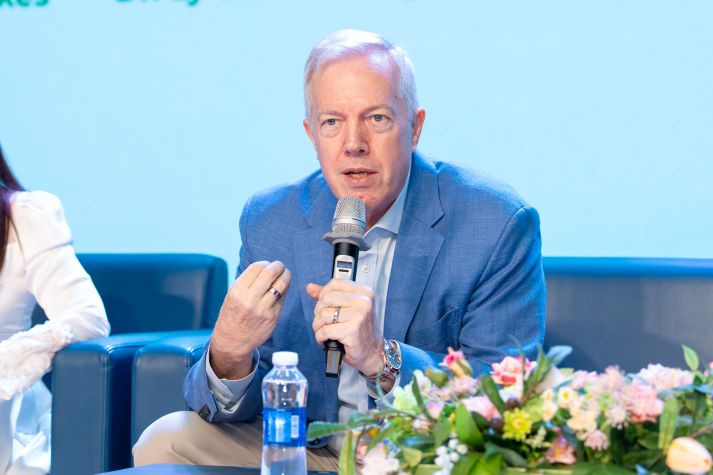
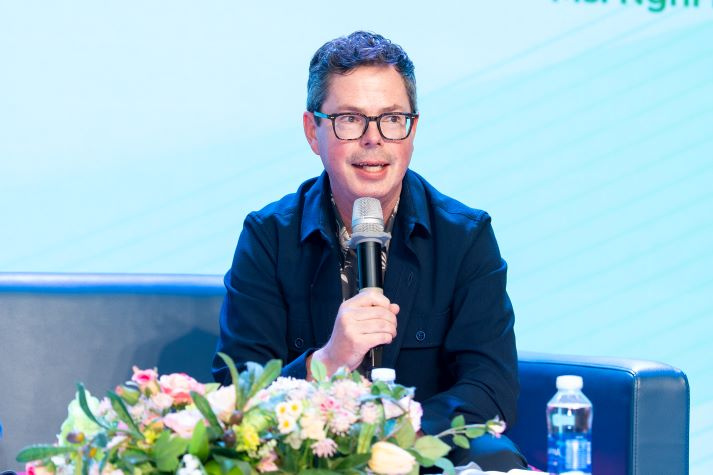
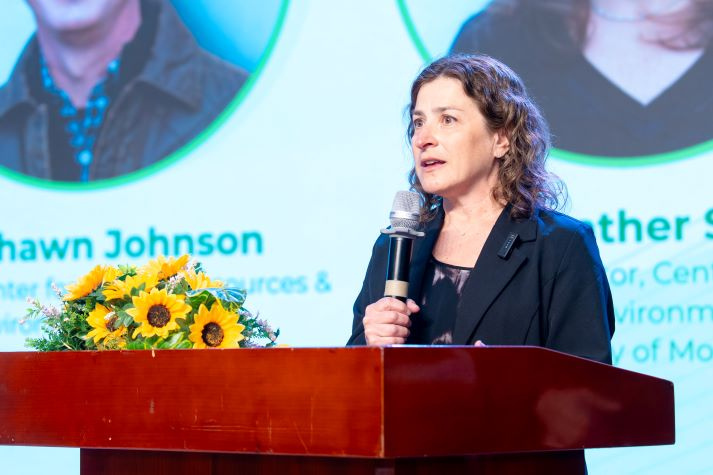
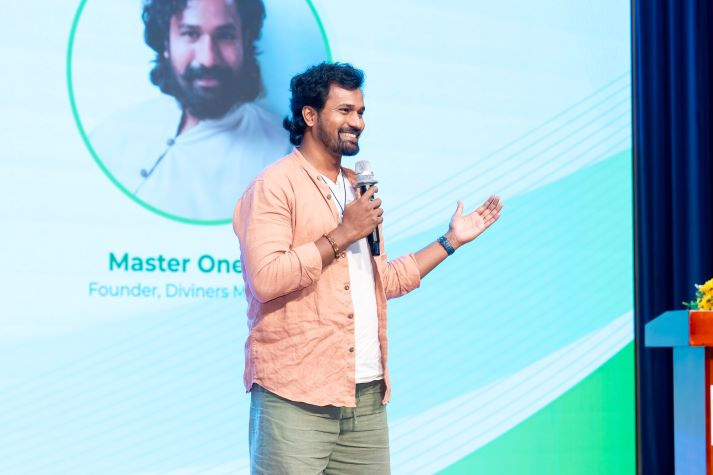
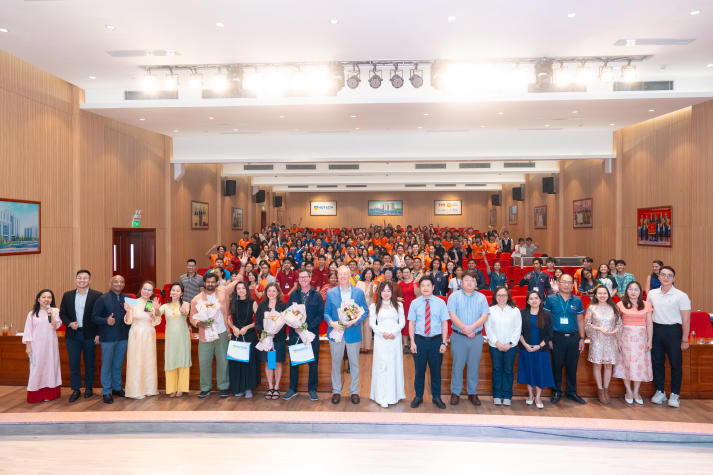
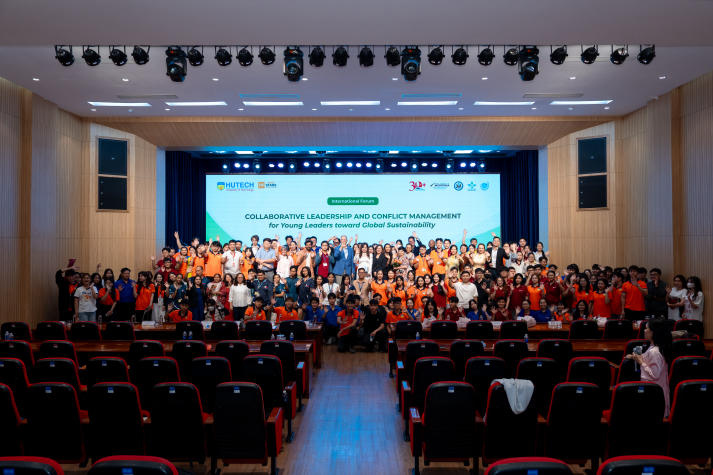
The series began with the international forum titled “Collaborative Leadership and Conflict Resolution Skills for Young Leaders Toward Global Sustainable Development”, held on May 15 and featuring distinguished speakers from the fields of leadership, education, and sustainable development. The event welcomed Mr. Ted Osius, former U.S. Ambassador to Vietnam, former President and CEO of the U.S.-ASEAN Business Council, and Chairman of TCLTBO Vietnam; Mr. Shawn Johnson, Director of the Center for Natural Resources and Environmental Policy at the University of Montana (USA); Ms. Heather Stokes, Executive Director of the Center for Natural Resources and Environmental Policy at the University of Montana (USA); Master Oneness, Founder of Diviners Movement; Dr. Ly Thien Trang, Vice President of HUTECH; and Ms. Nghi Phan, Founder and CEO of the Sustainable Impact Leadership Network (SILN).
During the forum, the speakers shared valuable perspectives on the qualities required of young leaders in the 21st century. Beyond professional expertise, today’s youth must possess a global mindset, adaptability in the face of rapid societal change, intercultural communication skills, and a strong sense of responsibility toward their communities. Drawing from real-world experiences in education, business, community development, and international cooperation, the speakers encouraged students to view leadership through a broader lens. Leadership is not merely associated with authority or position but is reflected in one’s ability to inspire positive change, connect people, and create meaningful impact within society.
The speakers also emphasized that in an increasingly interconnected world, the ability to collaborate with individuals from diverse cultural, educational, and professional backgrounds is among the most important leadership competencies. Openness, active listening, and a willingness to learn are essential qualities that will enable young people to become responsible global citizens and future changemakers.
 |
 |
Collaborative Leadership and Conflict Resolution for a Sustainable Workplace
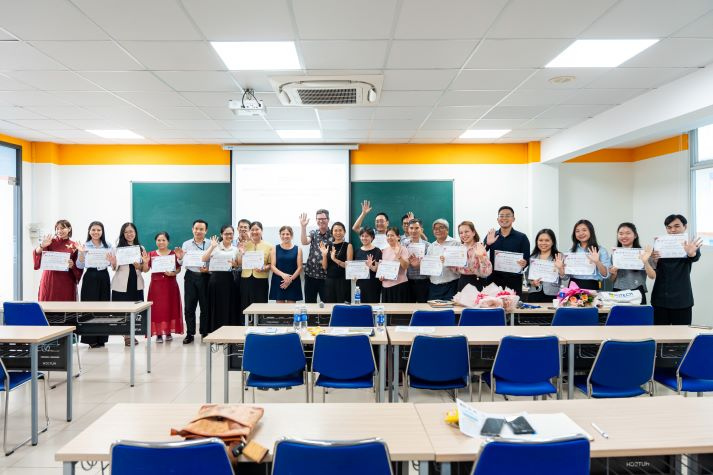
Following the student forum, HUTECH organized the Workshop on Collaborative Leadership and Conflict Resolution Towards Sustainable Development for faculty members.
 |
 |
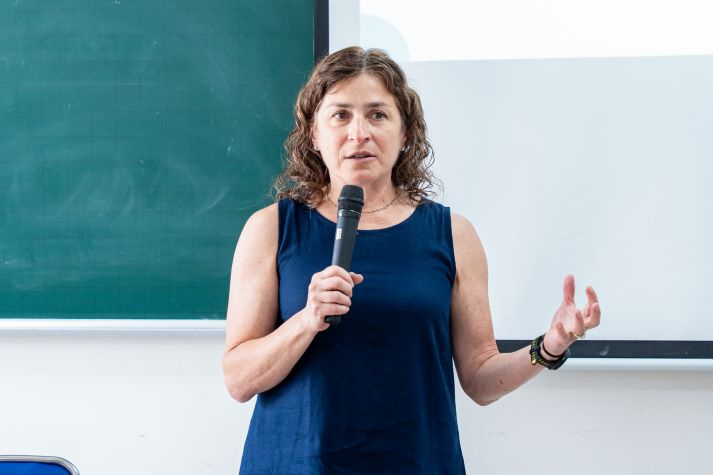
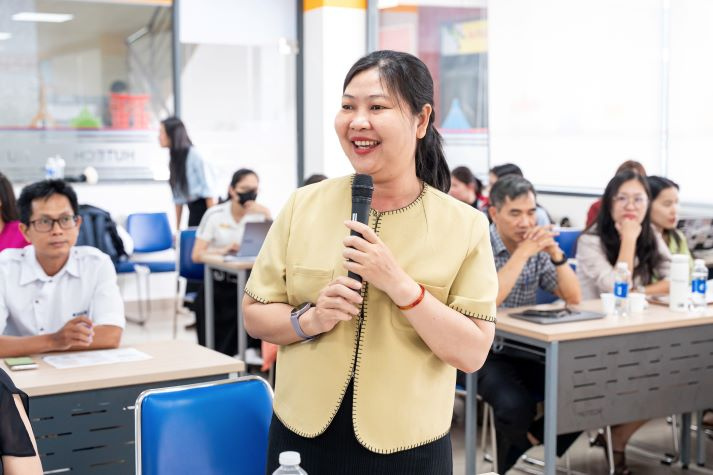
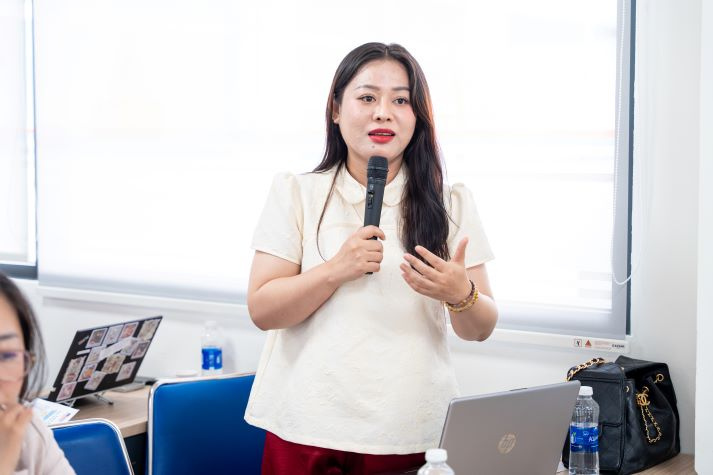
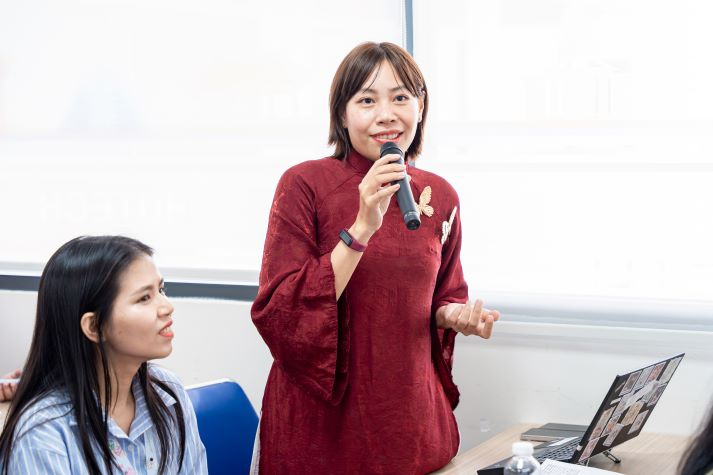
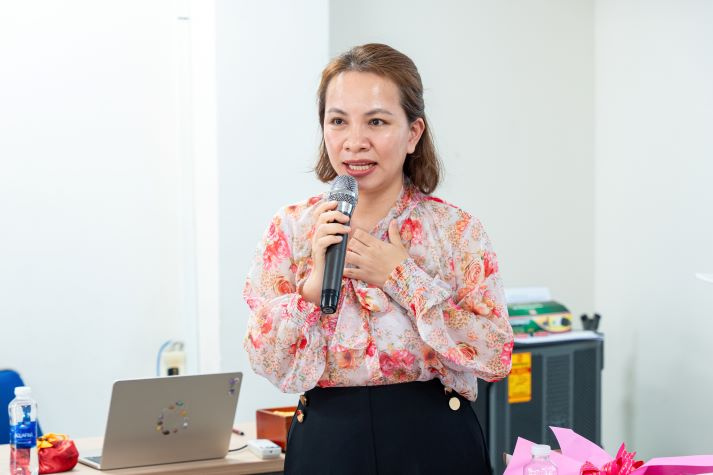
During the workshop, Ms. Heather Stokes provided practical insights into the nature of workplace conflict. According to her, conflict is inevitable within any organization because individuals bring different perspectives, goals, and approaches to their work. However, when properly recognized and managed, these differences can become catalysts for innovation, creativity, and organizational growth. Through the Thomas-Kilmann Conflict Mode framework, participants explored common responses to conflict and gained a deeper understanding of their own communication and problem-solving styles. Recognizing these tendencies enables individuals to adopt more effective approaches in different situations, contributing to a more productive and harmonious workplace.
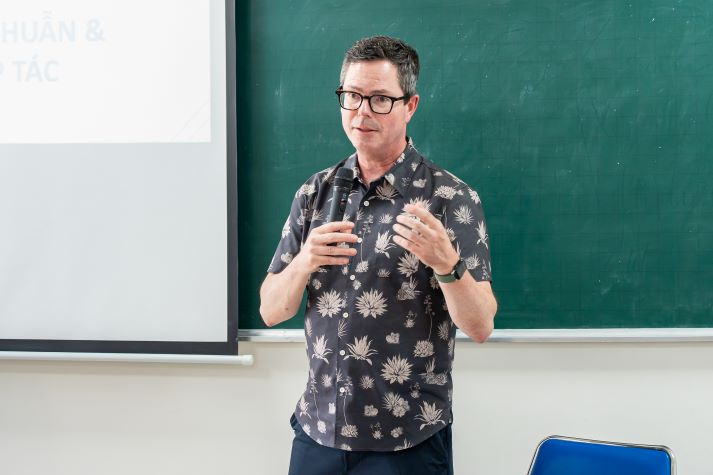
Building on these discussions, Mr. Shawn Johnson introduced the Conflict Spiral model, which helps participants identify how conflicts escalate and how negative outcomes can be prevented. He also highlighted four core elements of collaborative leadership: empathy, commitment, courage, and leadership capacity.
 |
 |
 |
 |
 |
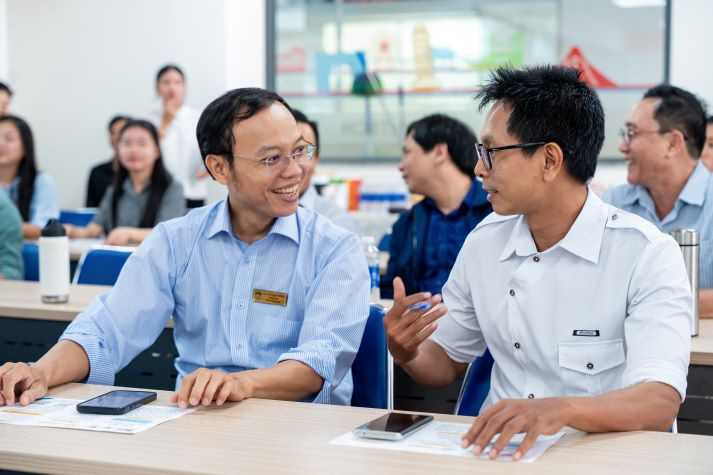 |
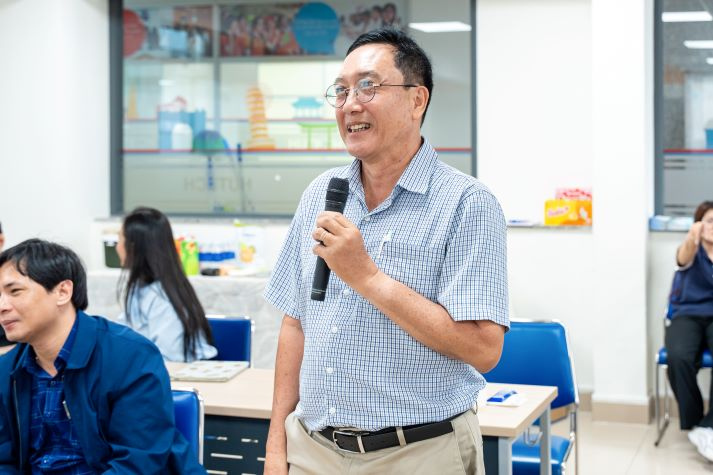
Beyond knowledge sharing, the workshop provided opportunities for participants to engage in discussions, exchange experiences, and work through real-life scenarios. These activities encouraged attendees to reflect on how they communicate, collaborate, and address differences in their professional environments.
As higher education increasingly emphasizes interdisciplinary collaboration and cross-functional engagement, collaborative leadership and conflict resolution have become essential competencies for fostering a positive workplace culture, strengthening cooperation among departments, and supporting sustainable institutional development.
Through these seminars and workshops for its students and faculty members, HUTECH continues to promote the values of collaborative leadership, constructive dialogue, and conflict resolution within a modern educational environment. The knowledge and practical experiences shared by international experts not only contribute to individual growth but also support the development of a connected, open, and sustainable HUTECH community.
Department of International Relations and Project Management
Các tin khác

HUTECH representatives share knowledge and expertise as speakers at international events
From March to May 2026, faculty members and administrators of Ho Chi Minh City University of Technology (HUTECH) actively participated as speakers,...
HUTECH advances academic collaboration through national and international research conferences
From March to May 2026, Ho Chi Minh City University of Technology (HUTECH) made a strong impression through its active involvement in organizing...
HUTECH công bố Báo cáo Phát triển bền vững năm 2025
Trường Đại học Công nghệ TP.HCM (HUTECH) vừa chính thức công bố Báo cáo Phát triển Bền vững năm 2025, mang đến cái nhìn tổng thể về những nỗ lực và...
Hội thảo trực tuyến “Confidence in Writing Research Papers” sẽ diễn ra vào ngày 16/9 tới
Ngày 16/9 tới, Phòng Hợp tác và Quản lý dự án quốc tế HUTECH sẽ phối hợp tổ chức Hội thảo trực tuyến “Confidence in Writing Research Papers”.
HUTECH kết nối cùng Đại học Công nghệ Niigata Nhật Bản, mở rộng hợp tác đào tạo
Tiếp tục khẳng định định hướng quốc tế hóa trong đào tạo, ngày 09/9, HUTECH đã có buổi làm việc trực tuyến với Trường Đại học Công nghệ Niigata -...
[Video] HUTECH và doanh nghiệp Philippines chung tay kiến tạo nguồn nhân lực toàn cầu, kết nối vươn xa
Được xem là cột mốc quan trọng trong hợp tác quốc tế, chiều 04/9, HUTECH đã đón tiếp phái đoàn doanh nghiệp thuộc Phòng Thương mại và Công nghiệp...
Thông tin mới
-
HUTECH representatives share knowledge and expertise as speakers at international events

-
HUTECH advances academic collaboration through national and international research conferences
- HUTECH promotes a culture of collaborative leadership and conflict resolution for sustainable development
- THÔNG TIN CHƯƠNG TRÌNH FIAS FELLOWSHIP PROGRAMME 2027/2028
- CHƯƠNG TRÌNH THỰC TẬP TẠI NHẬT BẢN METI JAPAN INTERNSHIP ĐƯỢC HỖ TRỢ TOÀN PHẦN BỞI BỘ KINH TẾ, THƯƠNG MẠI VÀ CÔNG NGHIỆP NHẬT BẢN (METI)
- HUTECH SEMESTER STUDENT EXCHANGE PROGRAM IN FALL 2026