Faculty of Marketing and International Business
- 10/04/2023
I. INTRODUCTION
1. OVERVIEW
1.1. About MIB - YOUTHFUL, DYNAMIC, AND CREATIVE - A CRADLE FOR SUCCESS
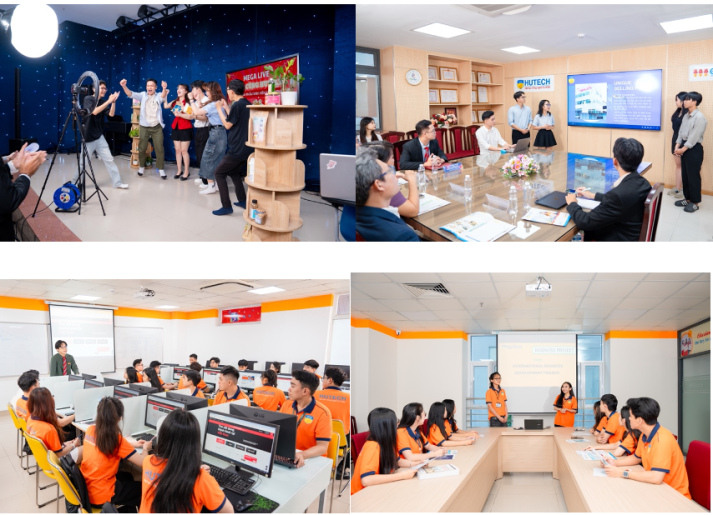
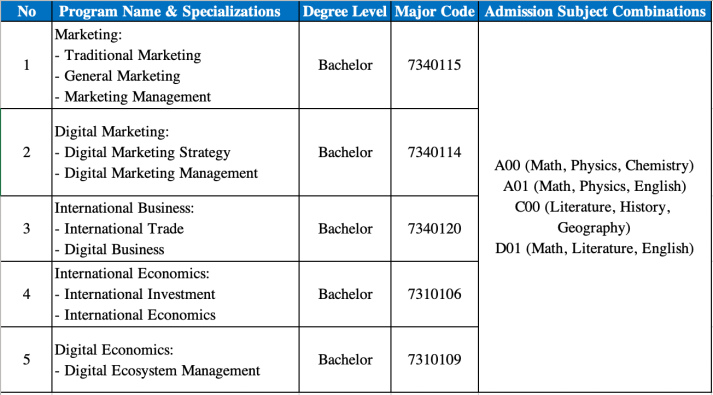
The Faculty of Marketing - International Business (MIB) was established on September 1, 2021, building upon the foundation of the Faculty of Business Administration. Despite its recent establishment, the quality of the Faculty's training programs has been developed to meet the practical demands of society. The curriculum for the Faculty's disciplines is designed with a modern and integrated approach for the fields of Marketing, Digital Marketing, International Business, International Economics, and Digital Economics. In addition to its mission of undergraduate education, the Faculty also offers Master's level training in Marketing, as stipulated by Decision 169/QD-DKC dated October 10, 2022. The Faculty is proud to be one of the youngest units established within the university, yet after only five years of 2development and growth, the Faculty has become a significant unit that has garnered considerable trust from various levels of units, organizations, and individuals both within and outside the university. This serves as a powerful impetus for MIB to continue to flourish in the future, contributing a vibrant bloom to the more than 30-year training landscape of HUTECH.
1.2. Philosophy
The Faculty's educational philosophy centers on the learner and utilizes intellectual trends as a compass for orientation, developing training programs for all disciplines with a focus on innovation and high applicability. The Faculty consistently invests in building a professional, high-quality training environment based on a solid foundation of knowledge, skills, and expertise, cultivating students to possess the necessary competencies to adapt to the working environment in domestic and international enterprises. To fulfill its mission, from the early days of its establishment, the Faculty has assembled a team of highly qualified and experienced full-time lecturers. Notably, the participation of experts, entrepreneurs, and prominent figures also contributes valuable and practical lessons, alongside the high-level and regular professional guidance from esteemed Professors, Associate Professors, Doctors, and Masters.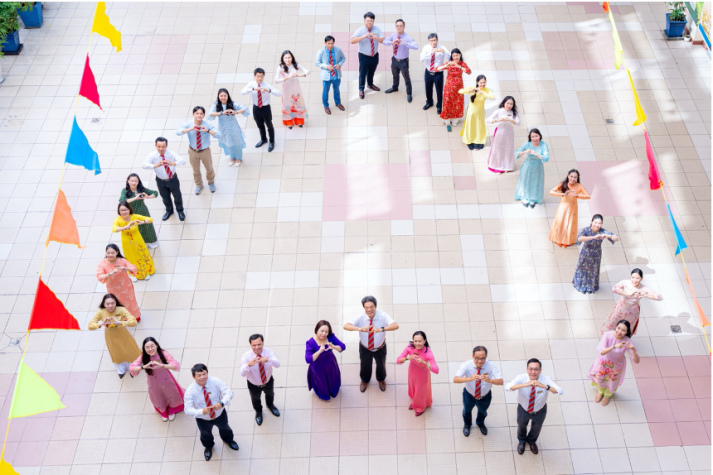
1.3. Mission
The Marketing and International Business Department is committed to training and developing high-quality human resources with deep knowledge of the global market and the ability to work in diverse cultural contexts. We focus on nurturing talent, enhancing expertise, and skills for learners to meet the learning needs and career development of individuals working in the field of international business. Our mission is to contribute to the process of industrialization and modernization, and to help build a sustainable economy and society for the country.
1.4. Vision
The Marketing and International Business Department aspires to be a hub of Cultural and Intellectual exchange, offering multidisciplinary, multi-level education with international standards, adhering to the principles of 'Knowledge - Morality - Creativity'. We envision the department to be a center for applied scientific research, catering to the needs of production, business, and technology transfer. The brand of the International Business Department is envisioned to be recognized as a premier educational institution within Vietnam's educational landscape.
1.5. Achievement
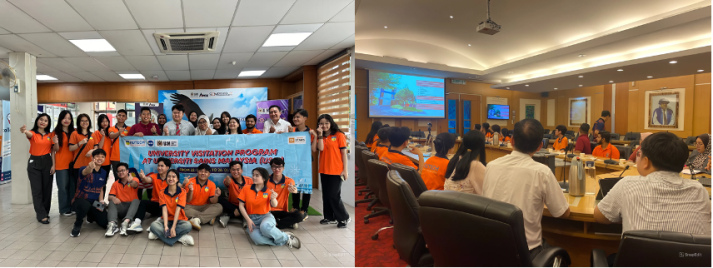
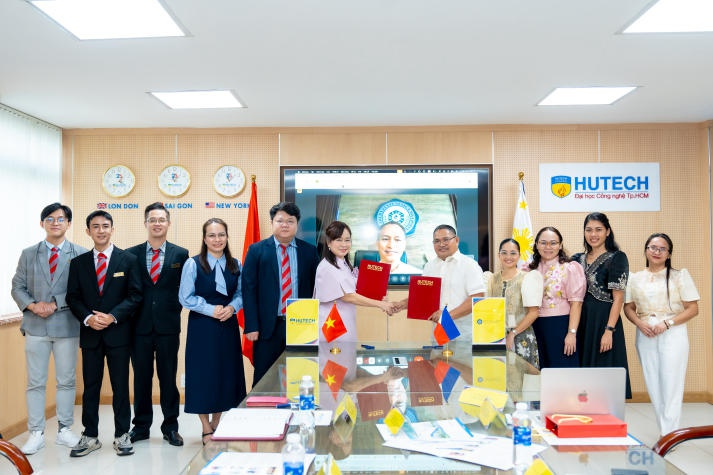
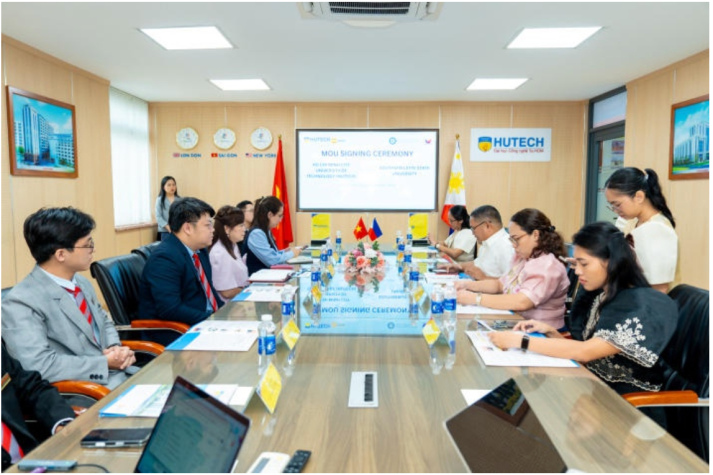
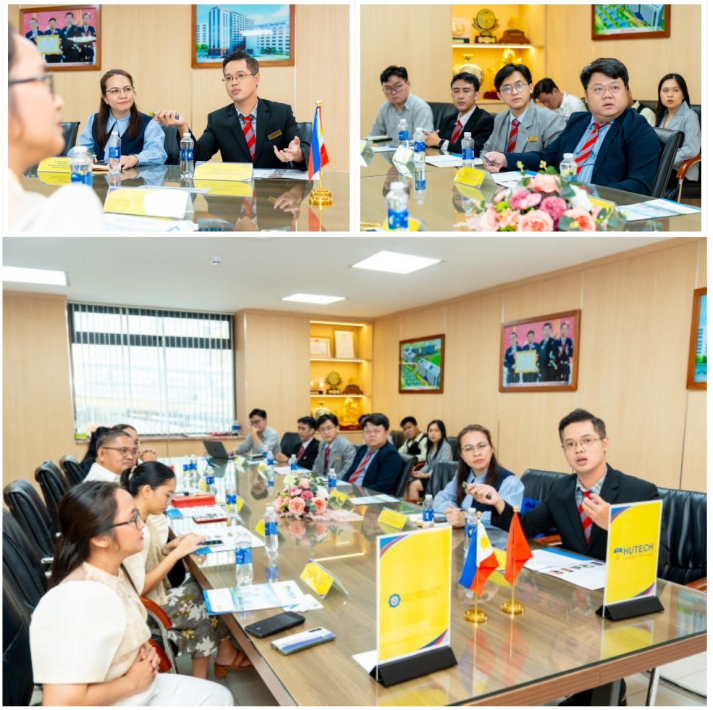
Throughout the years, all members of MIB have consistently upheld HUTECH's cultural values: "Knowledge - Ethics - Creativity." Consequently, the education of ethics and lifestyle for students is always emphasized and implemented in parallel with professional training. The results over consecutive years consistently show that over 98% of students exhibit good ethics, possess a spirit of solidarity, actively engage in learning and self-improvement, proactively cultivate themselves, and particularly maintain a beautiful, healthy lifestyle, rich in patriotism and national spirit. Regarding ethics and creativity, the Faculty's students have received numerous commendations and expressions of trust for collaboration from over 400 businesses, creating thousands of job opportunities for students. Furthermore, the Faculty's students have achieved numerous accolades in various programs such as: 5 Good Students, Advanced Collectives, Miss HUTECH, Start-up Wings, MIB Talent, Wake Up Your Talent, etc. Additionally, to integrate with international higher education, the Faculty has signed two MOUs with major universities in the region, namely Thammasat University and Southern Leyte State University, along with two faculty and student exchange programs with Universiti Sains Malaysia and Thammasat University.
Regarding faculty scientific research, the Faculty has undertaken 6 university-level research projects; 81 international research works, including 3 articles published in ISI Q2 journals, 6 articles published in ABDC journals, 35 articles in Scopus-indexed journals, etc.; along with 95 domestic research works, including 22 articles published in journals listed by the State Council for Professor Titles and 57 articles published in proceedings of domestic scientific conferences. These figures demonstrate the commitment of the Board of Directors, the Dean, and all the Faculty's lecturers. Regarding student scientific research, over 56 research projects have been accepted, 95 scientific articles have been published, 5 scientific articles have been published in national scientific conference proceedings, and 13 student research projects have been selected for submission to ministerial-level and Eureka competitions, including 01 Second Prize, 01 Third Prize, and 01 Consolation Prize for ministerial-level student scientific research for 3 consecutive years. These achievements highlight the Faculty's deep interest in scientific research activities. Furthermore, the Faculty has an international cooperation network with many leading universities in the region to jointly organize comprehensive international scientific research cooperation projects, gradually improving the quality of scientific research and using this as a driving force for continuous improvement in future development.
1.6. Expectation
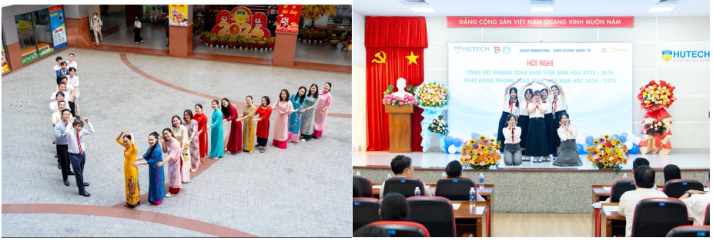
The Faculty of Marketing - International Business is proud to be a member of the HUTECH family. Although still young compared to the 30 years of the "Elder Brother HUTECH," this does not diminish its aspiration to rise. On the contrary, MIB is leveraging this "youth" as a spring loaded with compressed force to leap further, carrying the "youthfulness, dynamism, and creativity" of the entire team of staff, lecturers, and employees to "nurture success" for the younger generations, the future factors of the nation.
2. LEADERSHIP
3. STUDY PROGRAMS
II. BACHELOR
1. MARKETING
1.1 Program Goal
Marketing is a dynamic and customer-centric field directly related to the creation, communication, delivery, and exchange of offerings that have value for customers, clients, partners, and society at large. The program provides a solid foundation in general business administration and specialized knowledge in key areas of marketing such as consumer behavior, marketing strategy, brand management, digital marketing, marketing communications, market research, and customer relationship management. It equips students with the competencies to understand market needs, develop effective marketing plans, and apply technology and creativity in modern marketing practices.
1.2 Program Objectives
The Marketing program aims to train graduates with well-rounded physical health, intellectual capacity, political and ethical integrity, and a strong sense of social responsibility. Students will acquire a solid foundation in natural sciences, social sciences, technology, and law; comprehensive professional knowledge and in-depth skills in marketing; the ability to apply technology in modern marketing activities; and research, analytical, and synthesis skills in specialized areas. The program also equips students with strategic planning and communication skills, foreign language proficiency, the capacity to work independently and collaboratively, systematic and logical thinking, as well as innovative and creative mindsets. Graduates are expected to be capable of self-directed learning to continuously improve their knowledge, meet job requirements, and adapt to changing work environments.
1.3 Study Environment
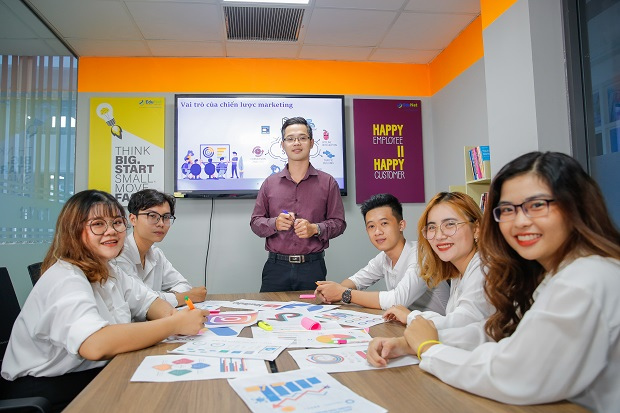
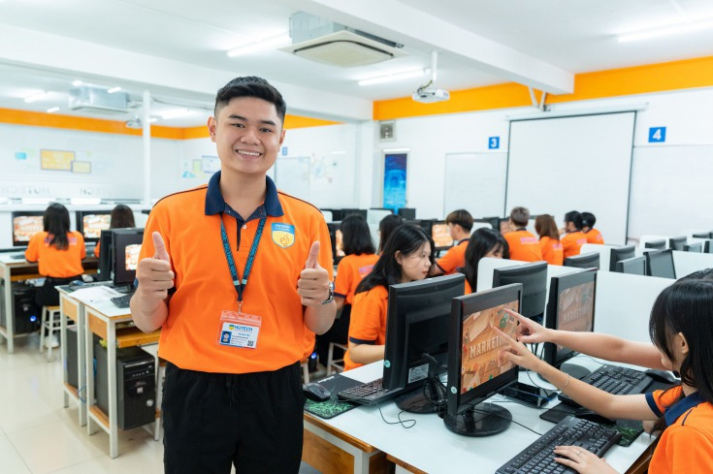
1.4 Program Description
| Name of the Program | Bachelor of Marketing |
| Program Duration | To be completed in 4 years on a full-time basis over 11 semesters |
| Total earned Credits | 137 credits |
| Curriculum Structure |
Click here for more information (Find the file's name: 1.Bachelor Program_Marketing_2024_en) |
1.5 Area of Focus
● Traditional Marketing
● General Marketing
● Marketing Management
1.6 Program Learning Outcomes
1.7 List of Courses
| 1st Year | 2nd Year | 3rd Year | 4th Year |
| - English 1, 2, 3 - Principles of Management - Marketing Principles - Business Ethics and Social Responsibility in Marketing - Applied Mathematics in Economics - General Economics - National Defense and Security Education 1,2,3,4 - Project Design Thinking - E-Commerce - Digital Marketing - Applied Artificial Intelligence - Consumer Behavior in the Digital Age - Marxist-Leninist Political Economics - Service Marketing - General Law - New Product Creativity and Design - History of the Communist Party of Vietnam - Statistics in Economics and Business - Volleyball 1, 2 - Basketball 1, 2 - Gym 1, 2 - Vovinam 1, 2 - Football 1, 2 |
- English 4 - Marketing Budgeting - Sales and Customer Service - Ho Chi Minh’s Ideology - Sustainable Development - Technology Applications in Marketing - Product Pricing - Scientific Socialism - Research Methods in Business - International Marketing - Brand Management - Relationship Marketing - Marxist-Leninist Philosophy - English for Marketing - Marketing Communication - Marketing Analytics - Marketing Management - Start-up - Business Practice in Marketing - Volleyball 3 - Basketball 3 - Gym 3 - Vovinam 3 - Football 3 |
- Advertising - Digital Marketing Project - Content Marketing - Social Media Marketing - Public Relations and Event Management Project - Public Relations - Event Management - Graduation Thesis in Marketing |
- Graduation Internship in Marketing |
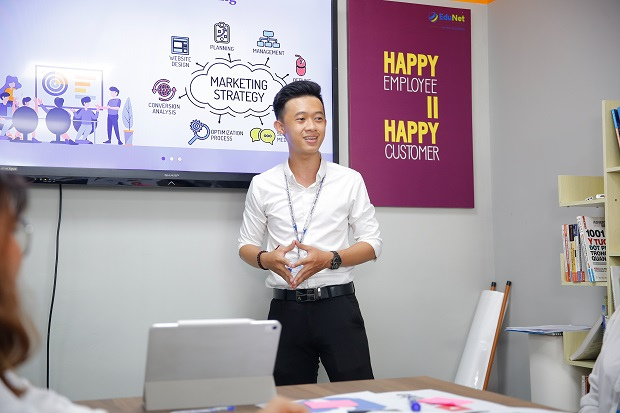
1.8 Teaching & Learning strategies and methods
At HUTECH, our teaching and learning methods are based on international best practice to ensure that students enter the workplace with the knowledge skills they need to succeed in both national and international working environments.
We are committed to providing student an industry-led and student-centered teaching and learning approach
Teaching and Learning Strategies: direct instruction, indirect instruction, experienced learning, Interactive Learning, Independent study
Teaching and Learning Methods: Flipped learning, Problem-based learning, Project-based learning, Blended learning, Experiential learning, Reflection, Debate, Demonstration, Simulation, Using AI, Gamification, etc.
Students’ experience includes classroom learning, facilitated online and self-directed learning through Learning Management System (LMS), peer learning, industry field trips and guest speakers.
All of these factors ensure that students enter the workplace with the knowledge and skills they need to succeed.
1.9 Student Assessment
At HUTECH, a variety of assessment methods are used to be constructively aligned to achieving the program learning outcomes and course learning outcomes as well as the teaching and learning objectives: essays, assignments, examination, projects, portfolio, presentation, write thesis, etc.
The assessment methods are used to include rubrics, marking schemes, timelines, and regulations, and these are shown to ensure validity, reliability, and fairness in assessment. The assessment standards and procedures for student progression and degree completion and assessment-appeal policies are communicated to students, and applied consistently.

1.10 Academic regulation
Academic regulation: Click here for more information
1.11 Career Opportunity
● Marketing Specialist
● Integrated Marketing Communications (IMC) Specialist
● Content Marketing Specialist
● Public Relations (PR) Specialist
● Event Management Specialist
● Lecturer/Researcher in Marketing at research institutions and higher education institutions
2. DIGITAL MARKETING
2.1 Program Goal
The Digital Marketing program aims to equip students with a solid foundation in business and marketing principles, while developing specialized knowledge and practical skills in digital platforms, tools, and strategies. Students will gain competencies in areas such as content creation, social media marketing, SEO/SEM, data-driven marketing, online consumer behavior, digital branding, and e-commerce. The program also emphasizes ethical practices, adaptability to technological changes, creative problem-solving, and the ability to plan, execute, and analyze digital marketing campaigns in a dynamic and globally connected business environment.
2.2 Program Objectives
The Digital Marketing program aims to develop graduates with strong physical health, intellectual capacity, and sound political, ethical, and social responsibility. Students will acquire a solid foundation in natural sciences, social sciences, law, and technology; along with specialized knowledge and advanced skills in digital marketing. They will be able to apply digital technologies in online marketing activities, conduct research, analyze and synthesize professional content, develop strategies and plans, and solve marketing-related problems. The program also fosters communication skills, foreign language proficiency, the ability to work independently and in teams, logical and innovative thinking, and a commitment to lifelong learning and personal accountability to meet job requirements and adapt to a rapidly changing work environment.
2.3 Study Environment
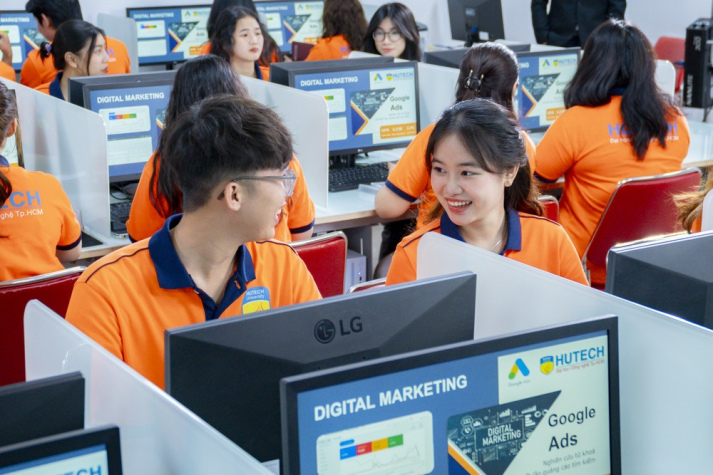
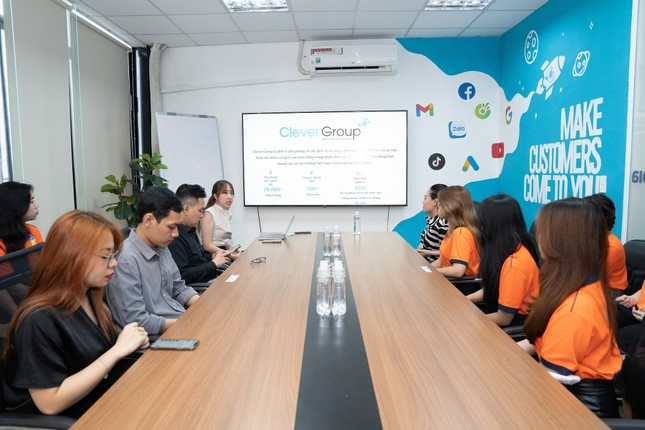
2.4 Program Description
| Name of the Program | Bachelor of Digital Marketing |
| Program Duration | To be completed in 4 years on a full-time basis over 11 semesters |
| Total earned Credits | 137 credits |
| Curriculum Structure |
Click here for more information (Find the file's name: 2.Bachelor Program_Digital Marketing_2024_en) |
2.5 Area of Focus
● Digital Marketing Strategy
● Digital Marketing Management
2.6 Program Learning Outcomes
| 1st Year | 2nd Year | 3rd Year | 4th Year |
| - English 1, 2, 3 - Principles of Marketing - General Economics - General Law - Administration - Applied Mathematics in Economics - National Defense and Security Education 1, 2, 3, 4 - Project Design Thinking - Statistics in Economics and Business - Applied Artificial Intelligence - Content Marketing - Ethics and Social Responsibility in Marketing - Consumer Behavior in the Digital Age - Ho Chi Minh's Ideology - Market Research - Services Marketing - Marxist-Leninist Philosophy - Volleyball 1, 2 - Basketball 1, 2 - Gym 1, 2 - Vovinam 1, 2 - Football 1, 2 |
- English 4 - Digital Marketing - Technology Applications in Marketing - Sustainable Development - History of the Communist Party of Vietnam - Search Engine Marketing - Marketing Budgeting - Business Research Methods - English for Marketing - Entrepreneurship - Scientific Socialism - Sales and Customer Service - Marketing Management - The Art of Marketing Project Bidding - Business Practice in Digital Marketing - Marketing Communication - International Marketing - Social Media Marketing - Marxist-Leninist Political Economy - Relationship Marketing - Volleyball 3 - Basketball 3 - Gym 3 - Vovinam 3 - Football 3 |
- Major Project in Digital Marketing Strategy and Planning - Advanced Digital Marketing - Digital Marketing Strategy and Planning - Major Project in Digital Marketing Campaign Management - Applied Digital Marketing Analytics - Multimedia Communication Management - Advanced Content Marketing - Graduation Thesis in Digital Marketing |
- Graduation Internship in Digital Marketing |
2.8 Teaching & Learning strategies and methods
At HUTECH, our teaching and learning methods are based on international best practice to ensure that students enter the workplace with the knowledge skills they need to succeed in both national and international working environments.
We are committed to providing student an industry-led and student-centered teaching and learning approach
Teaching and Learning Strategies: direct instruction, indirect instruction, experienced learning, Interactive Learning, Independent study
Teaching and Learning Methods: Flipped learning, Problem-based learning, Project-based learning, Blended learning, Experiential learning,
Reflection, Debate, Demonstration, Simulation, Using AI, Gamification, etc.
Students’ experience includes classroom learning, facilitated online and self-directed learning through Learning Management System (LMS), peer learning, industry field trips and guest speakers.
All of these factors ensure that students enter the workplace with the knowledge and skills they need to succeed.
2.9 Student Assessment
At HUTECH, a variety of assessment methods are used to be constructively aligned to achieving the program learning outcomes and course learning outcomes as well as the teaching and learning objectives: essays, assignments, examination, projects, portfolio, presentation, write thesis, etc.
The assessment methods are used to include rubrics, marking schemes, timelines, and regulations, and these are shown to ensure validity, reliability, and fairness in assessment. The assessment standards and procedures for student progression and degree completion and assessment-appeal policies are communicated to students, and applied consistently.
2.10 Academic regulation
Academic regulation: Click here for more information
2.11 Career Opportunity
● Digital Marketing Planning Specialist
● Search Engine Marketing (SEM) Specialist
● Integrated Marketing Communications Specialist
● Social Media Marketing Specialist
● Digital Media Marketing Specialist
● Content Marketing Specialist
3. INTERNATIONAL BUSINESS
3.1 Program Goal
International Business is a dynamic field directly or indirectly related to the creation of values and conducting exchanges for the benefit of stakeholders, globally belonging to the business group, providing general knowledge of business administration and specialized knowledge in the field of international business such as international investment, international logistics and transportation, international payment, international marketing, international business strategy planning, etc.3.2 Program Objectives
To educate and train specialists in International Business who possess sound political acumen, ethical integrity, and robust health. Graduates will demonstrate a comprehensive understanding of fundamental knowledge in mathematics, social sciences, technology, and law. They will acquire profound insights and critical thinking skills pertaining to global business and sustainable economic development. The program aims to cultivate strong problem-solving abilities, confident communication in multicultural environments, and the capacity for independent and collaborative teamwork. Graduates will be adaptable and agile in innovative and digitally transformative work settings, capable of continuously updating their knowledge of global markets and assuming full responsibility.
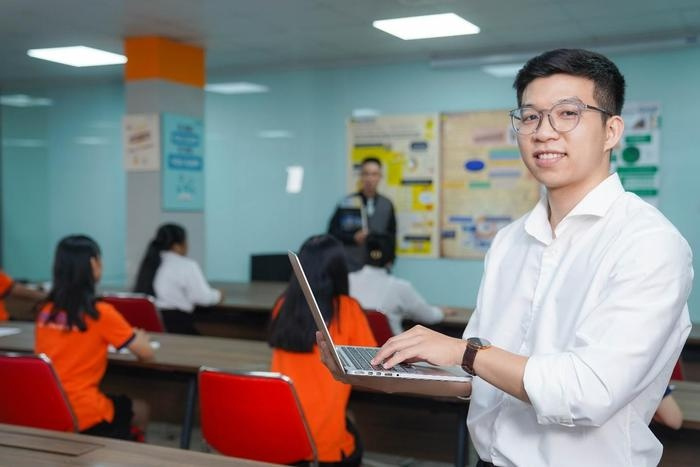
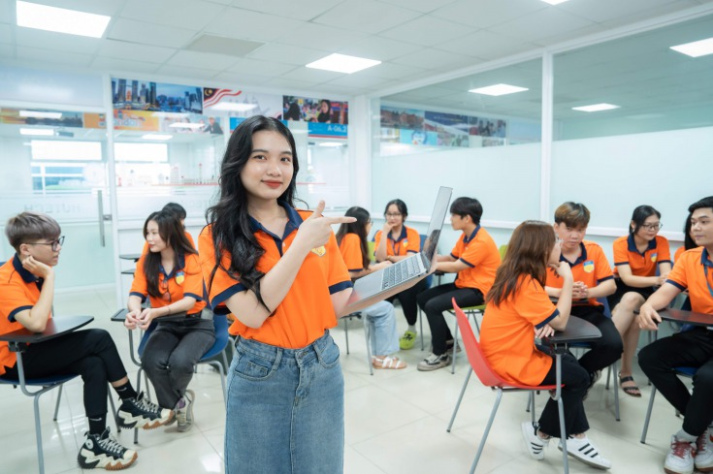
3.3 Study Environment
3.4 Program Description
| Name of the Program | Bachelor of International Business |
| Program Duration | To be completed in 4 years on a full-time basis over 11 semesters |
| Total earned Credits | 137 credits |
| Curriculum Structure | Click here for more information (Find the file's name: 3.Bachelor Program_Interntional Business_2024_en) |
3.5 Area of Focus
- International Trade
- Digital Business
3.6 Program Learning Outcomes
3.7 List of Course
| 1st Year | 2nd Year | 3rd Year | 4th Year |
|
|
|
|
3.8 Teaching & Learning strategies and methods
At HUTECH, our teaching and learning methods are based on international best practice to ensure that students enter the workplace with the knowledge skills they need to succeed in both national and international working environments.We are committed to providing student an industry-led and student-centered teaching and learning approach
Teaching and Learning Strategies: direct instruction, indirect instruction, experienced learning, Interactive Learning, Independent study
Teaching and Learning Methods: Flipped learning, Problem-based learning, Project-based learning, Blended learning, Experiential learning, Reflection, Debate, Demonstration, Simulation, Using AI, Gamification, etc.
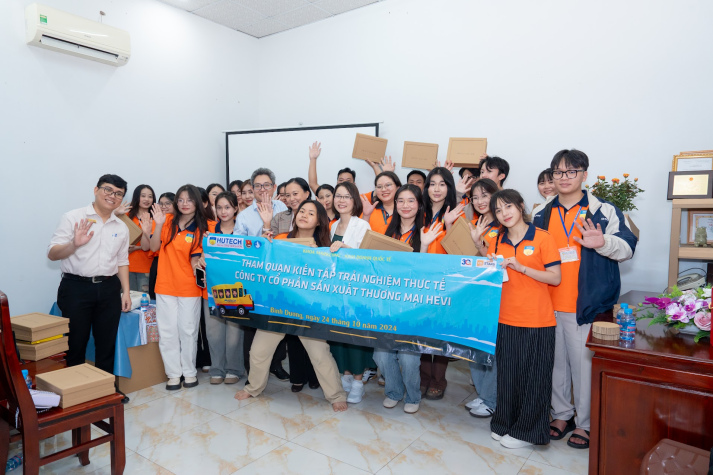
Students’ experience includes classroom learning, facilitated online and self-directed learning through Learning Management System (LMS), peer learning, industry field trips and guest speakers.
All of these factors ensure that students enter the workplace with the knowledge and skills they need to succeed.
3.9 Student Assesment
At HUTECH, a variety of assessment methods are used to be constructively aligned to achieving the program learning outcomes and course learning outcomes as well as the teaching and learning objectives: essays, assignments, examination, projects, portfolio, presentation, write thesis, etc.The assessments methods are used to include rubrics, marking schemes, timelines, and regulations, and these are shown to ensure validity, reliability, and fairness in assessment. The assessment standards and procedures for student progression and degree completion and assessment-appeal policies are communicated to students, and applied consistently.
3.10 Acemic regulation
Academic regulation: Click here for more information
3.11 Career Opportunity
- Import-Export/Trade Sales Staff/Manager in domestic and international enterprises.
- Sales Manager and Supervisor in domestic and international enterprises.
- International Payment/Transaction Specialist in financial institutions and commercial banks.
- Market Research Specialist in international non-profit organizations, non-governmental organizations (NGOs), international organizations, and international investment funds.
- International Market Expansion Strategist.
- External Relations Specialist/International Cooperation Strategy Developer.
- Entrepreneur initiating businesses related to international trade.
- Lecturer/Researcher at research institutions and higher education institutions specializing in international business.
4.1 Program Goal
International Economics is a dynamic field that focuses on understanding the economic interactions among countries, including trade, investment, and financial flows. The program provides students with fundamental knowledge of economics and specialized expertise in international trade theory, international finance, economic policy analysis, and global market mechanisms. Graduates are prepared to analyze and address economic issues at the international level, contributing to sustainable economic development and global economic integration.
4.2 Program Objectives
The International Economics program aims to train Bachelor graduates with good health, ethical and political qualities, and a strong sense of social responsibility. Graduates will have a solid foundation in basic economics as well as in-depth knowledge of international economics and economic integration. They will demonstrate independent research thinking and the ability to work effectively in teams. Graduates will also have the capacity to continuously update their knowledge and pursue advanced learning to meet the demands of integration, development, and the application of technology.
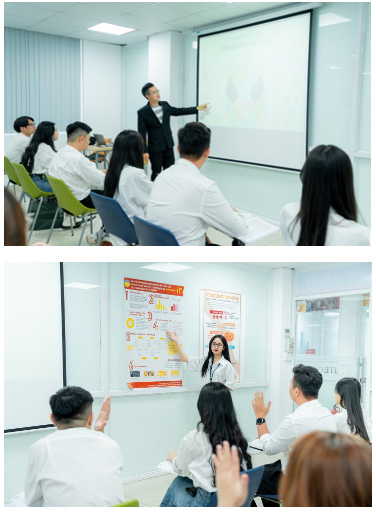
4.3 Study Environment
4.4 Program Description
| Name of the Program | Bachelor of International Economics |
| Program Duration | To be completed in 4 years on a full-time basis over 11 semesters |
| Total earned Credits | 137 credits |
| Curriculum Structure |
Click here for more information |
4.5 Area of Focus
● International Investment
● International Economics
4.6 Program Learning Outcomes
4.7 List of Courses
| 1st Year | 2nd Year | 3rd Year | 4th Year |
| - English 1, 2, 3 - Principles of Management - Marketing Principles - Business Ethics and Social Responsibility in Marketing - Applied Mathematics in Economics - General Economics - National Defense and Security Education 1,2,3,4 - Project Design Thinking - E-Commerce - Digital Marketing - Applied Artificial Intelligence - Consumer Behavior in the Digital Age - Marxist-Leninist Political Economics - Service Marketing - General Law - New Product Creativity and Design - History of the Communist Party of Vietnam - Statistics in Economics and Business - Volleyball 1, 2 - Basketball 1, 2 - Gym 1, 2 - Vovinam 1, 2 - Football 1, 2 |
- English 4 - Statistics in Economics and Business - Marxist-Leninist Political Economy - Sustainable Development - Scientific Socialism - Negotiation in International Business - E-commerce - International Marketing - Development Economics - Scientific Research Methods in Business - History of the Communist Party of Vietnam - International Economics and Trade - International Trade Law - English for International Business - Economics and Investment Environment - Corporate Social Responsibility - Public Economics - Entrepreneurship - Internship in International Economics - International Logistics and Transportation - Volleyball 3 - Basketball 3 - Gym 3 - Vovinam 3 - Football 3 |
- International Economic Relations - International Investment Management Project - International Investment - Risk Management in International Investment - Digital Economy Development Project - Digital Economics - Digital Transformation in Organizations - Graduation Thesis in International Economics |
- Graduation Internship in International Economics |
4.8 Teaching & Learning strategies and methods
At HUTECH, our teaching and learning methods are based on international best practice to ensure that students enter the workplace with the knowledge skills they need to succeed in both national and international working environments.
We are committed to providing student an industry-led and student-centered teaching and learning approach
Teaching and Learning Strategies: direct instruction, indirect instruction, experienced learning, Interactive Learning, Independent study
Teaching and Learning Methods: Flipped learning, Problem-based learning, Project-based learning, Blended learning, Experiential learning, Reflection, Debate, Demonstration, Simulation, Using AI, Gamification, etc.
Students’ experience includes classroom learning, facilitated online and self-directed learning through Learning Management System (LMS), peer learning, industry field trips and guest speakers.
All of these factors ensure that students enter the workplace with the knowledge and skills they need to succeed.
4.9 Student Assessment
At HUTECH, a variety of assessment methods are used to be constructively aligned to achieving the program learning outcomes and course learning outcomes as well as the teaching and learning objectives: essays, assignments, examination, projects, portfolio, presentation, write thesis, etc.
The assessment methods are used to include rubrics, marking schemes, timelines, and regulations, and these are shown to ensure validity, reliability, and fairness in assessment. The assessment standards and procedures for student progression and degree completion and assessment-appeal policies are communicated to students, and applied consistently.
4.10 Academic regulation
Academic regulation: Click here for more information
4.11 Career Opportunity
● Import-export specialist at domestic enterprises
● Trade/business specialist at foreign-invested companies and international service providers
● Consultant and promoter of foreign trade and investment at domestic and international investment organizations
● Officer at governmental and social organizations at central and local levels in the field of international economics; representative offices for Vietnam’s trade and investment abroad
Researcher at economic research institutes
5. DIGITAL ECONOMY
5.1 Program Goal
The Digital Economy program aims to equip students with a solid foundation in economics, management, and digital technologies. It prepares graduates to analyze, design, and manage economic activities in the digital era, integrating technological advancements such as artificial intelligence, big data, and e-commerce. The program fosters innovation, ethical awareness, and adaptability to thrive in the evolving global digital economy.
5.2 Program Objectives
The Digital Economy program aims to train graduates with physical well-being, knowledge, and strong political, personal, and professional ethics. Graduates are expected to demonstrate a sense of community, legal compliance, and possess both theoretical and practical knowledge in the field of digital economics and business. The program also develops independent research thinking, enabling learners to pursue lifelong learning, enhance their professional qualifications, and adapt to changes in the working environment.
5.3 Study Environment
5.4 Program Description
| Name of the Program | Bachelor of Digital Economy |
| Program Duration | To be completed in 4 years on a full-time basis over 11 semesters |
| Total earned Credits | 137 credits |
| Curriculum Structure | Click here for more information |
5.5 Area of Focus
Digital Ecosystem Management
5.6 Program Learning Outcomes
5.7 List of Courses
| 1st Year | 2nd Year | 3rd Year | 4th Year |
| - English 1, 2, 3 - National Defense and Security Education 1,2,3,4 - Principles of Economics - Principles of Management - Principles of Marketing - Applied Mathematics in Economics - Introduction to Law - Project Design Thinking - Digital Economics - E-commerce - Applied Artificial Intelligence - Business Process Information Systems and Management - Digital Creativity - Statistics in Economics and Business - Marxist-Leninist Political Economy - Digital Business Models - Financial Management - History of the Communist Party of Vietnam - International Economics and Trade - Volleyball 1, 2 - Basketball 1, 2 - Gym 1, 2 - Vovinam 1, 2 - Football 1, 2 |
- English 4 - Sharing Economy - Technology Applications in Marketing - Fintech in the Digital Economy - Sustainable Development - Research Methods in Business - Ho Chi Minh’s Ideology - Scientific Socialism - English for Digital Economics - AI Applications in the Digital Economy - Marxist-Leninist Philosophy - Data Analysis in Economics and Business - E-commerce Law - Entrepreneurship - International Logistics and Transportation - Multimedia Communication Management - Blockchain Applications in the Digital Economy - Corporate Social Responsibility - Industry Practicum in Digital Economy - Volleyball 3 - Basketball 3 - Gym 3 - Vovinam 3 - Football 3 |
- Major Project in Digital Business Management - Digital Culture Management - Digital Business Management - Major Project in Organizational Digital Transformation - Organizational Digital Transformation - Digital Investment Project Management - Graduation Thesis in Digital Economy |
- Graduation Internship in Digital Economy |
5.8 Teaching & Learning strategies and methods
At HUTECH, our teaching and learning methods are based on international best practice to ensure that students enter the workplace with the knowledge skills they need to succeed in both national and international working environments.
We are committed to providing student an industry-led and student-centered teaching and learning approach
Teaching and Learning Strategies: direct instruction, indirect instruction, experienced learning, Interactive Learning, Independent study
Teaching and Learning Methods: Flipped learning, Problem-based learning, Project-based learning, Blended learning, Experiential learning, Reflection, Debate, Demonstration, Simulation, Using AI, Gamification, etc.
Students’ experience includes classroom learning, facilitated online and self-directed learning through Learning Management System (LMS), peer learning, industry field trips and guest speakers.
All of these factors ensure that students enter the workplace with the knowledge and skills they need to succeed.
5.9 Student Assessment
At HUTECH, a variety of assessment methods are used to be constructively aligned to achieving the program learning outcomes and course learning outcomes as well as the teaching and learning objectives: essays, assignments, examination, projects, portfolio, presentation, write thesis, etc.
The assessment methods are used to include rubrics, marking schemes, timelines, and regulations, and these are shown to ensure validity, reliability, and fairness in assessment. The assessment standards and procedures for student progression and degree completion and assessment-appeal policies are communicated to students, and applied consistently.
5.10 Academic regulation
Academic regulation: Click here for more information
5.11 Career Opportunity
● Digital business analyst.
● Trading/sales specialist at enterprises operating on digital platforms.
● Consultant, broker, and promoter in digital commerce, digital investment, and digital transformation solutions for various types of domestic and international organizations.
● Employment in government agencies and social organizations at central, local, or international levels in the field of digital economy and business.
● Researcher at economic research institutes.
III. INTERNATIONALISATION
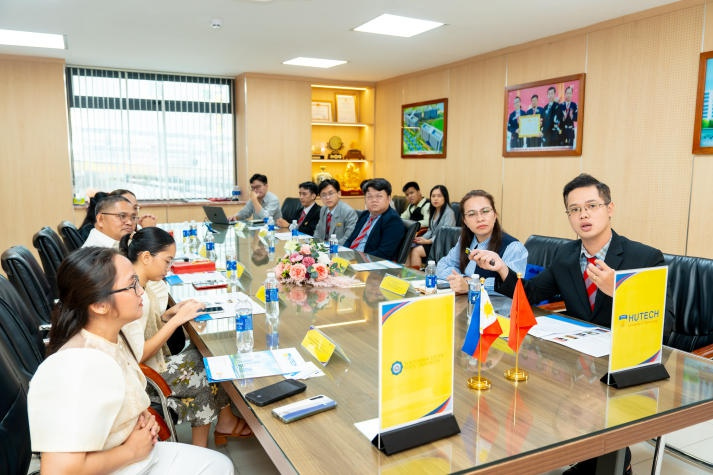
- Promoting internationalisation by adopting best practices in governance, leadership, and management models within higher education institutions.
- Facilitating internationalisation through the development of joint programs, including articulation agreements and franchise collaboration models.
- Conducting benchmarking exercises with curricula from regional and international universities to ensure global relevance and competitiveness.
- Advancing internationalisation through collaborative education and research partnerships with universities worldwide.
- Aligning with international accreditation standards such as QA Ratings, QS Asia Rankings, FIBAA, and AUN-QA to enhance global recognition.
- Fostering internationalisation in the staff and student body to promote diversity and global engagement.
- Integrating international perspectives into teaching and learning materials, including offering modules or programs delivered in English language and other languages where applicable.
- Supporting internationalisation through the establishment of short-term and long-term student exchange programs.
- Expanding the international network of academics and employers to enhance global engagement, opportunities and reputation.
- Promoting international research collaboration to address global challenges and contribute to innovative solutions.
- Collaborating on initiatives that address pressing global issues such as climate change, diversity, equity, and inclusion, in alignment with Sustainable Development Goals (SDGs).
Click to see more at here
IV. ADMISSION INFORMATION FOR INTERNATIONAL STUDENTS
Click to see more at: https://www.hutech.edu.vn/english/international-study-programs
V. LINKS TO ARTICLES RELATED TO EVENTS ORGANIZED BY MIB
1. https://www.hutech.edu.vn/english/hutech-news/14626297-marketing-international-business-students-step-into-global-journalism-through-journo-eskwela-program
2. https://www.hutech.edu.vn/english/hutech-news/14624838-hutech-marketing-and-international-business-students-explore-culture-and-knowledge-in-the-philippine
3. https://www.hutech.edu.vn/english/training-news/14616640-giang-vien-khoa-marketing-kinh-doanh-quoc-te-hutech-tham-quan-va-lam-viec-cung-thammasat-university
4. https://www.hutech.edu.vn/english/center/14609759-center-for-marketing-and-brand-development
5. https://www.hutech.edu.vn/english/news/training-news/14609136-hutech-tang-cuong-co-so-thuc-hanh-hien-dai-cho-nganh-digital-marketing
6. https://www.hutech.edu.vn/english/news/hutech-news/14577285-kicking-off-rookie-entrepreneurs-of-the-year-2019-for-students-interested-in-marketing
7. https://www.hutech.edu.vn/khoamkt/tin-tuc-su-kien/14625562-khoi-dong-san-choi-truyen-thong-so-cap-nhat-ky-nang-sang-tao-noi-dung-so-cho-sinh-vien-hutech
8. https://www.hutech.edu.vn/khoamkt/tin-tuc-su-kien/14625381-kien-tap-tai-c-p-viet-nam-co-hoi-co-xat-thuc-tien-cho-sinh-vien-nganh-kinh-te-quoc-te
9. https://www.hutech.edu.vn/khoamkt/tin-tuc-su-kien/14622996-video-sinh-vien-marketing-kinh-doanh-quoc-te-tu-tin-tao-cv-va-chuan-bi-phong-van-cung-ceo-satori