


HUTECH faculty and staff explore Bhagavad Gita leadership philosophy and traditional Indian culture
- 03/08/2025
Faculty and staff members of Ho Chi Minh City University of Technology (HUTECH) had the opportunity to explore the leadership philosophy of the Bhagavad Gita and experience traditional Indian culture during the workshop “Leadership Lessons from the Bhagavad Gita” held on August 1.
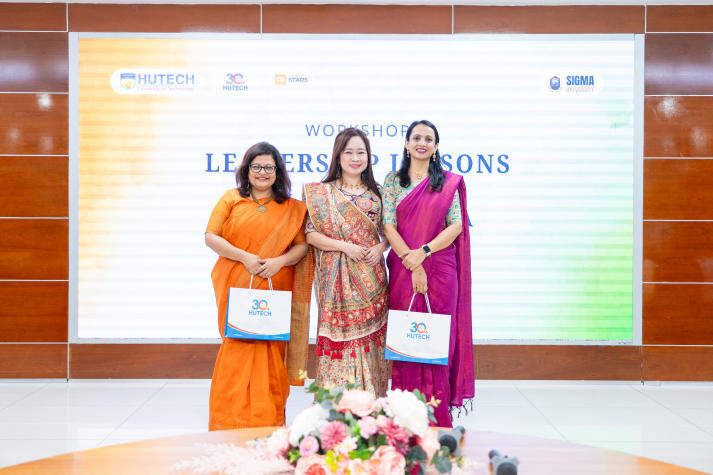
Workshop “Leadership Lessons from the Bhagavad Gita” offers HUTECH staff a cultural exploration of India
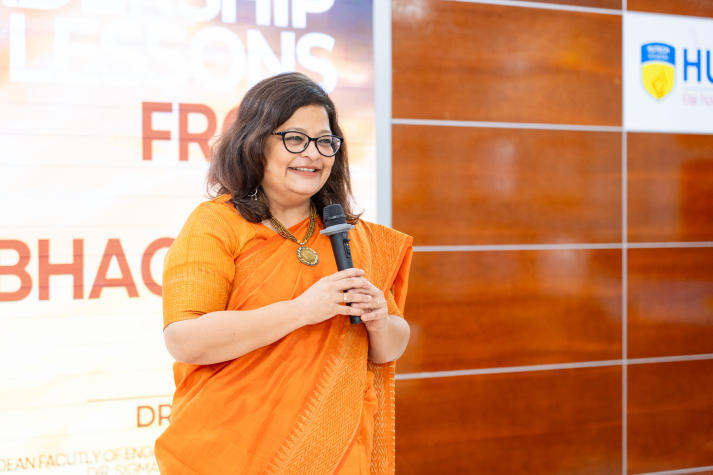
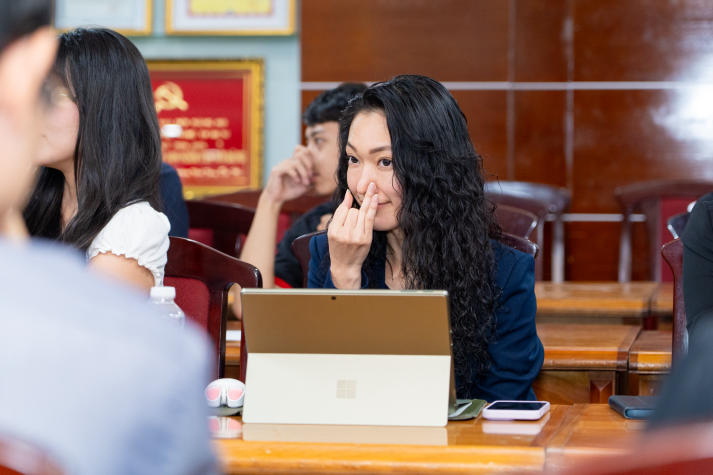
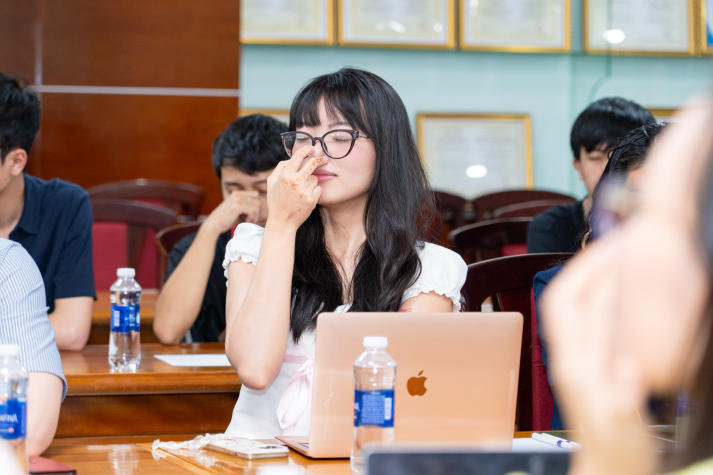
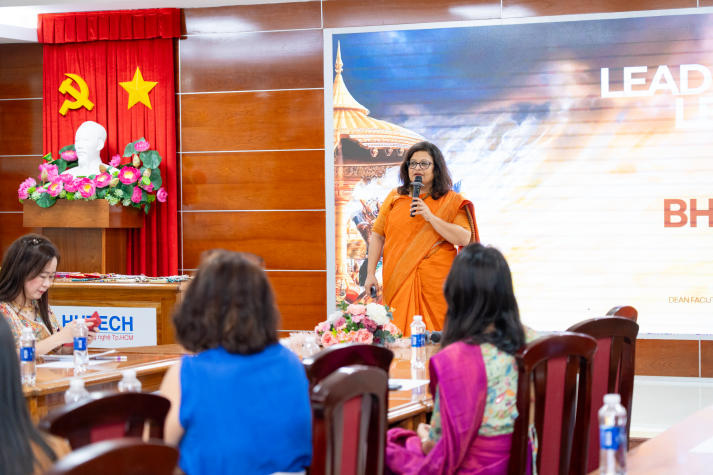
In the opening session, Dr. Nipa Desai - Director of the Institute of Engineering and Dean of the Faculty of Engineering & Technology at Sigma University - guided participants through traditional Indian breathing and relaxation exercises, aimed at fostering mental connection, improving focus, and enhancing mindfulness.
 |
 |
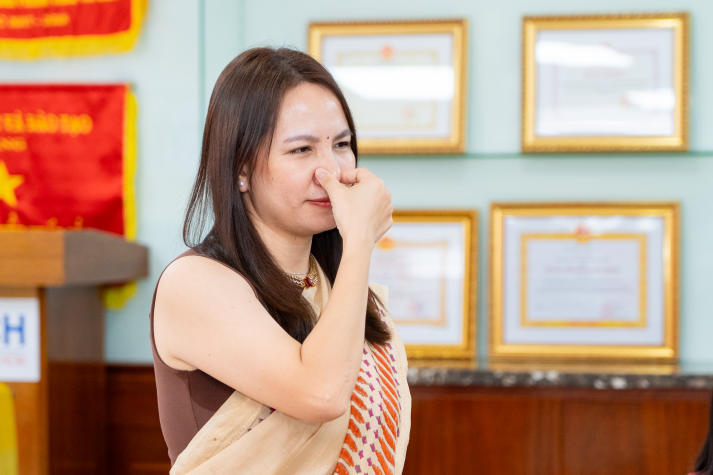 |
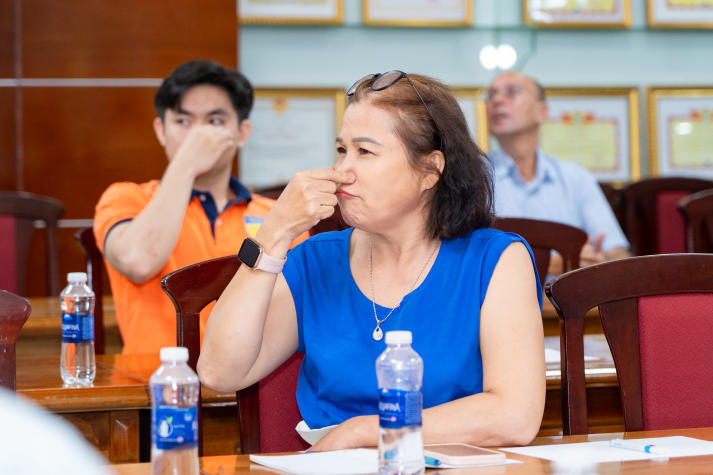 |
From a modern perspective, Dr. Nipa Desai presented key leadership principles drawn from the Bhagavad Gita, a classical philosophical work of Indian culture, distilled into seven major leadership lessons: Self-awareness & Introspection, Dharma – Duty, Nishkama Karma – Detached Action, Composure & Resilience, Strategic Thinking, Inspiration & Motivation, Ethical Decision-making.
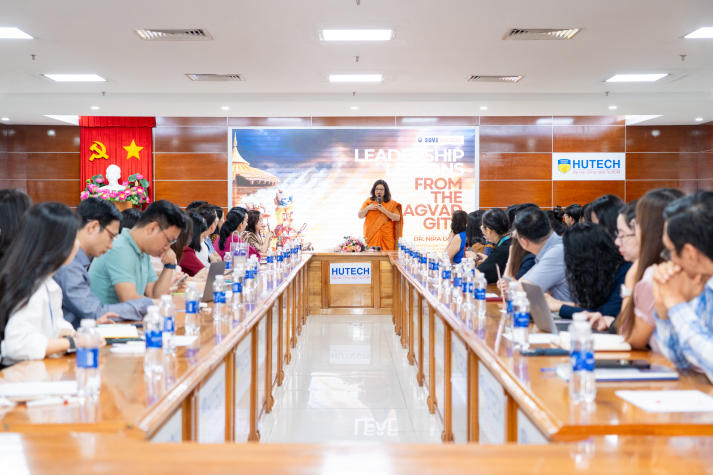
Dr. Nipa Desai shares seven profound leadership lessons from the Bhagavad Gita
Each lesson was presented with practical advice, helping participants apply them to personal life, teaching, management, and personal development in the educational environment. Toward the end of the session, attendees were invited to write down their personal development goals for the next six months, bridging theory and action, and encouraging individual initiative in shaping one’s own path based on the values explored.
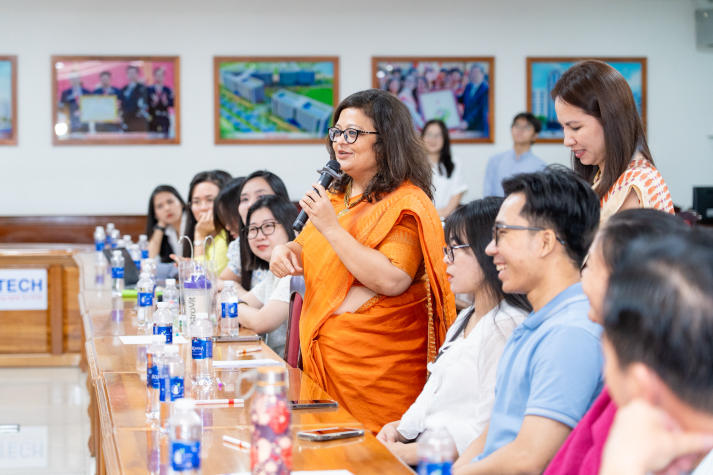 |
 |
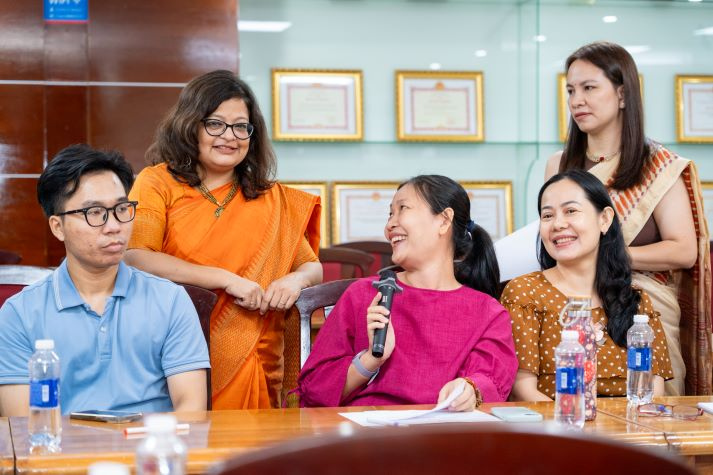
Participants practice writing personal development goals to apply leadership philosophy in practice
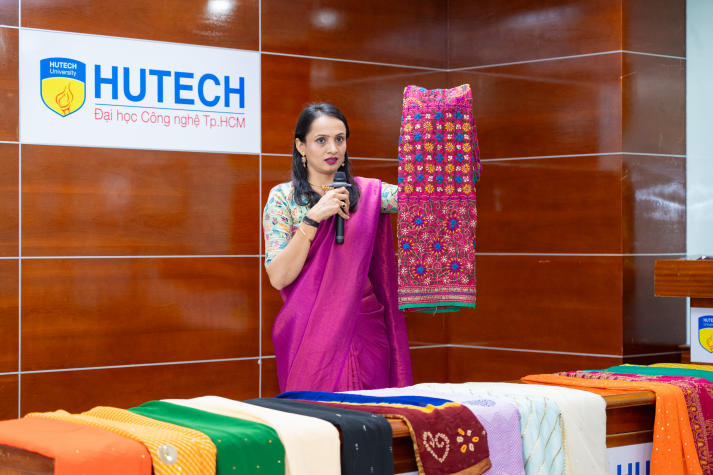
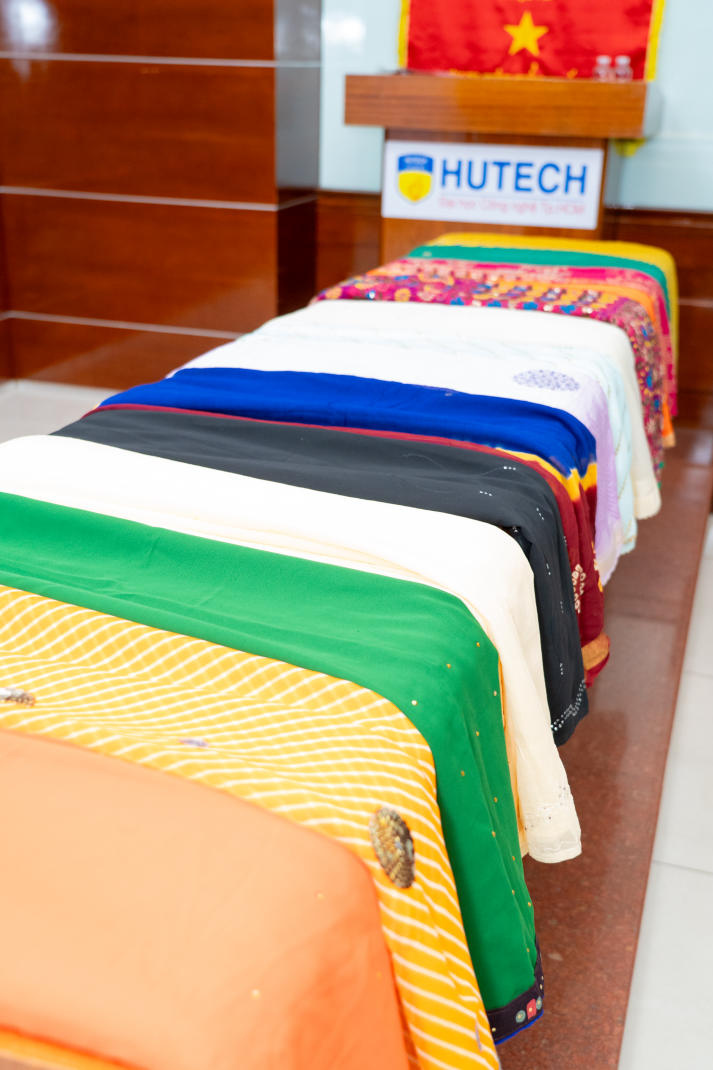
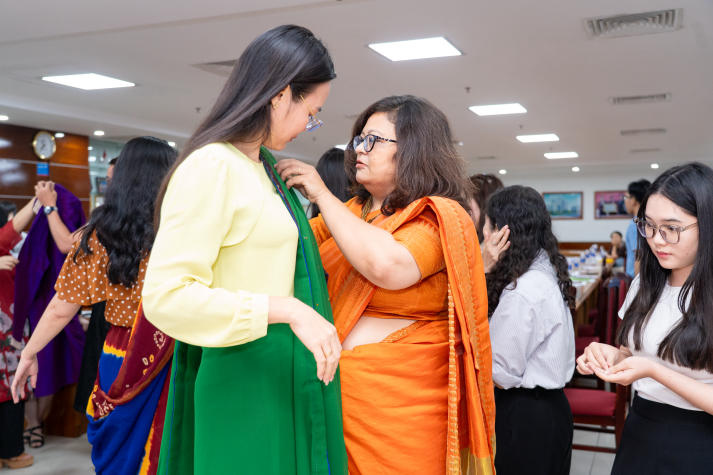
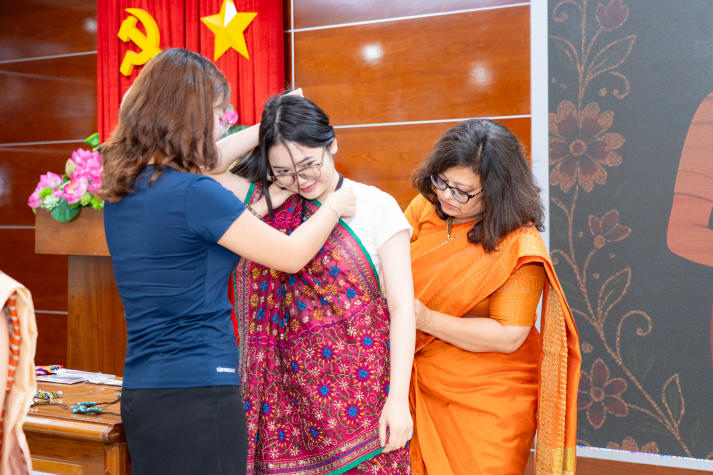
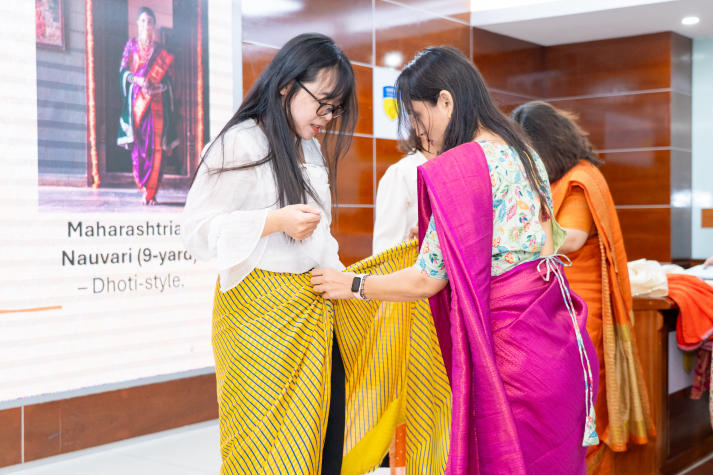
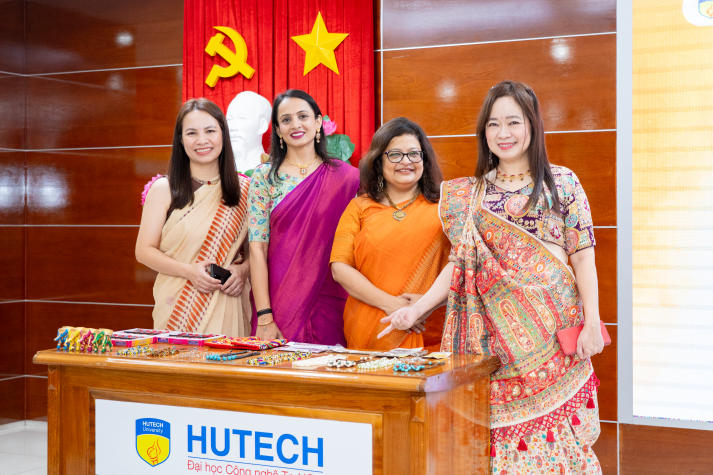
In the second session, led by Dr. Priyanka Patil - Director of the Institute of Pharmacy and Dean of the Faculty of Pharmacy at Sigma University, participants learned about cultural values associated with two iconic elements of Indian tradition: the saree (traditional clothing) and henna (body art).
 |
 |
 |
 |
 |
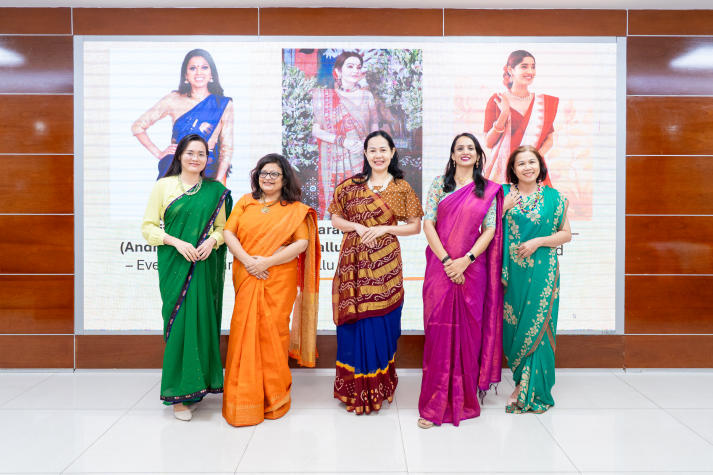 |
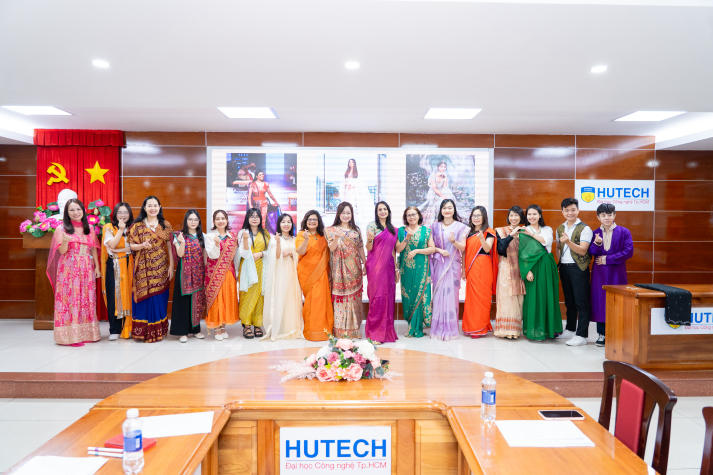
Participants were excited to try on sarees, experiencing the beauty of Indian culture through the fabric folds and the intricate wrapping techniques
 |
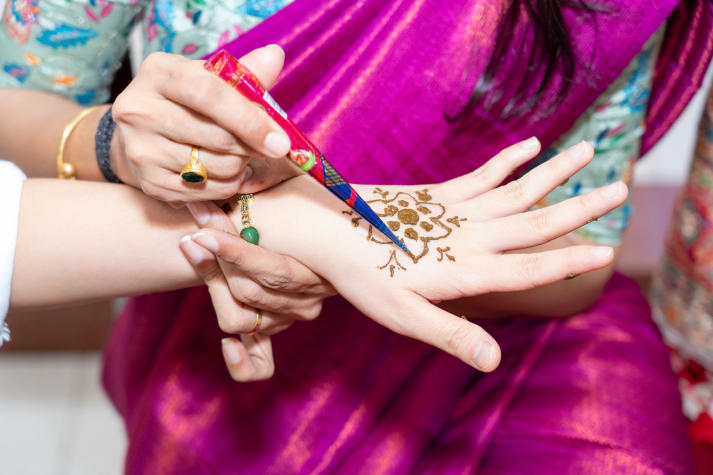 |
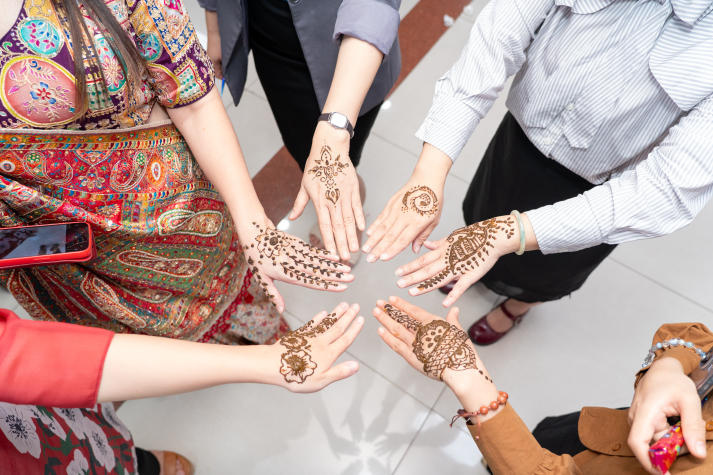
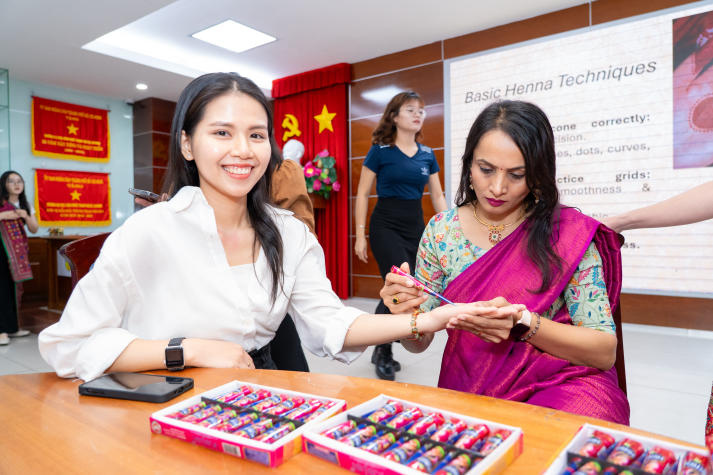
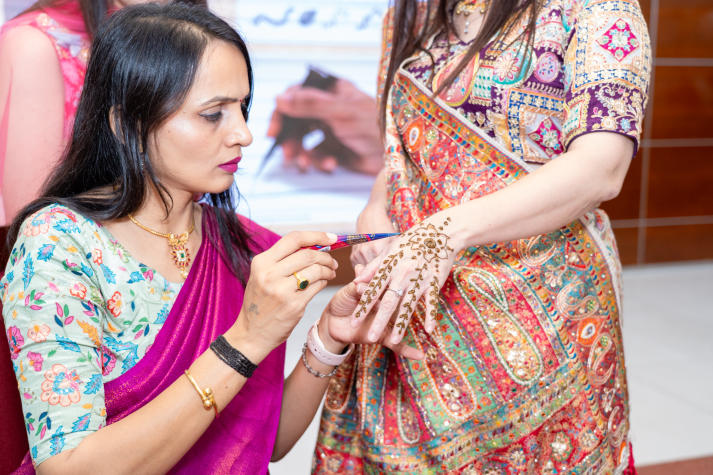
Faculty and staff experience the art of Henna and discover its delicate craftsmanship
 |
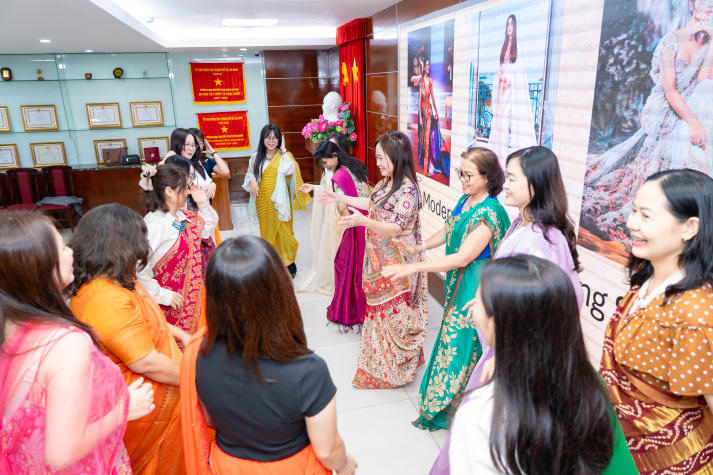 |
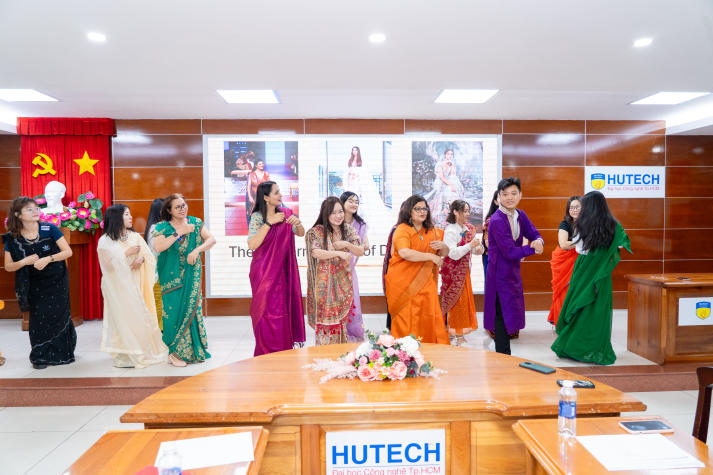
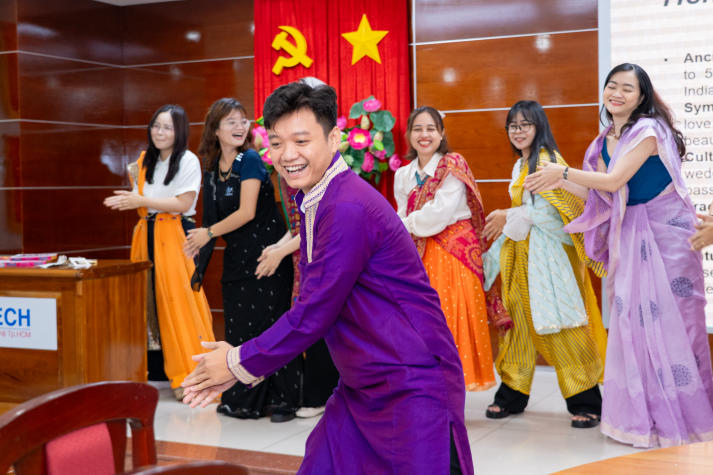
The lively atmosphere continued as participants learned and performed traditional Indian dance together
The speaker shared insights into the origins, meaning, aesthetic value, rituals, and cultural significance of sarees and henna in Indian life. She also provided hands-on guidance on wrapping sarees in various regional styles such as Nivi, Gujarati, Bengali, and Maharashtrian. Regarding henna art, Dr. Priyanka Patil introduced traditional design motifs, from simple patterns to more elaborate bridal henna styles. Participants practiced using specialized henna cones, followed design templates, and explored how to combine patterns in traditional Indian fashion.
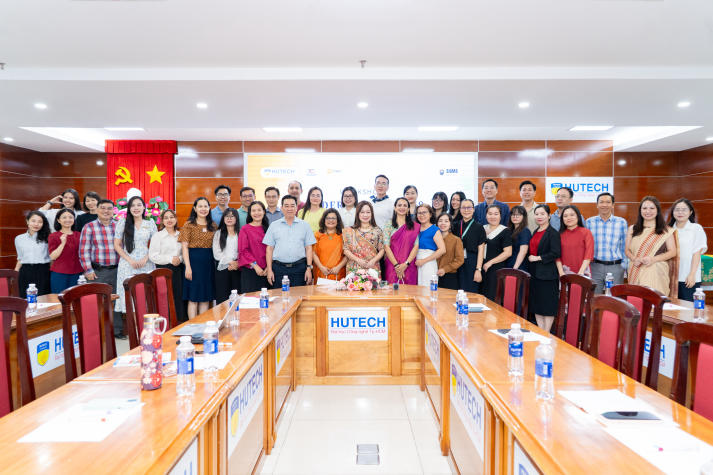
Workshop enhances cultural connections and reinforces HUTECH’s commitment to internationalizing education
The workshop not only offered deep insights into leadership thinking but also served as a cultural bridge between HUTECH and its international partners. Through traditional cultural experiences, the program enriched the spiritual life of faculty and staff, broadened perspectives, and fostered humanistic connections within the HUTECH community. It also stands as a testament to HUTECH’s efforts in building a comprehensive educational environment, promoting internationalization, and working toward sustainable development.
News: Xuân Mai
Photo: Hữu Hào
Communication Center
News: Xuân Mai
Photo: Hữu Hào
Communication Center
Other news

Nearly 1,000 students take on a series of technology challenges at OLP’25, OlpAI’25, Procon’25, and ICPC Asia HCMC 2025
Taking place from December 8 to 12, 2025 at Ho Chi Minh City University of Technology (HUTECH), the 34th Vietnam Student Informatics Olympiad...

Hundreds of contestants gather at the ICPC Asia HCMC 2025
The International Collegiate Programming Contest (ICPC) Asia Ho Chi Minh City 2025 officially opened on the afternoon of December 11, bringing...

Opening Ceremony for OLP’25, OlpAI’25, Procon’25, and ICPC Asia Ho Chi Minh City 2025
The opening ceremony of the 34th Vietnam Student Informatics Olympiad, the first Vietnam Student Artificial Intelligence Olympiad, Procon Vietnam...
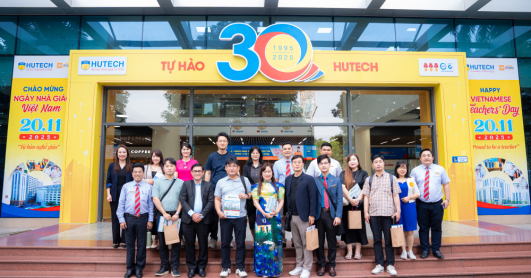
HUTECH strengthens international partnerships through meetings with leading global universities
From November 24 to 30, Ho Chi Minh City University of Technology (HUTECH) welcomed and held working sessions with a number of international...

HUTECH to host OLP, OlpAI, Procon, and ICPC 2025 from December 8 to 12
From December 8 to 12, Ho Chi Minh City University of Technology (HUTECH) is honored to host the Vietnam Student Informatics Olympiad (OLP), the...
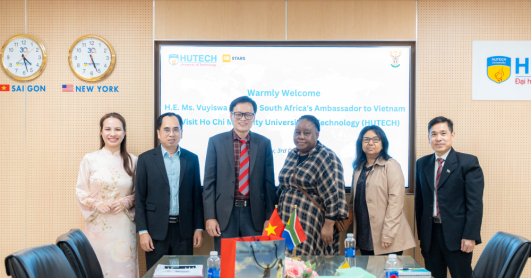
HUTECH welcomes the Ambassador Extraordinary and Plenipotentiary of the Republic of South Africa to Vietnam to explore opportunities for educational cooperation
On December 3, Ho Chi Minh City University of Technology (HUTECH) welcomed H.E. Ms. Vuyiswa Tulelo, Ambassador Extraordinary and Plenipotentiary of...