


CYSG 2025: An academic forum connecting young scientists, graduate students, and doctoral candidates
- 12/05/2025
The 2nd Conference for Young Scientists, Graduate Students, and Doctoral Candidates – CYSG 2025, organized by Ho Chi Minh City University of Technology (HUTECH), officially opened on May 10, marking a new milestone in developing a strong foundation of young researchers and knowledge creation.

This year’s conference attracted over 400 authors from 21 educational and research institutions nationwide. Out of 153 full-text scientific papers submitted, 128 were selected through a rigorous peer-review process. For the first time, artificial intelligence was used in the review process, along with modern plagiarism detection tools. The integration of advanced technologies in academic assessment demonstrates the conference’s innovative spirit and the Organizing Committee’s commitment to fairness and academic quality for each selected paper, which is published in the proceedings and presented in sessions.
In his opening remarks, Prof. Dr. Le Van Canh, Vice President of HUTECH, emphasized the fundamental role of science and technology as a strategic driver for the sustainable development of any nation. Amid the global wave of innovation, science is not only a tool but also a method through which humans understand the world, address real-world challenges, and enhance economic competitiveness.
In his opening remarks, Prof. Dr. Le Van Canh, Vice President of HUTECH, emphasized the fundamental role of science and technology as a strategic driver for the sustainable development of any nation. Amid the global wave of innovation, science is not only a tool but also a method through which humans understand the world, address real-world challenges, and enhance economic competitiveness.
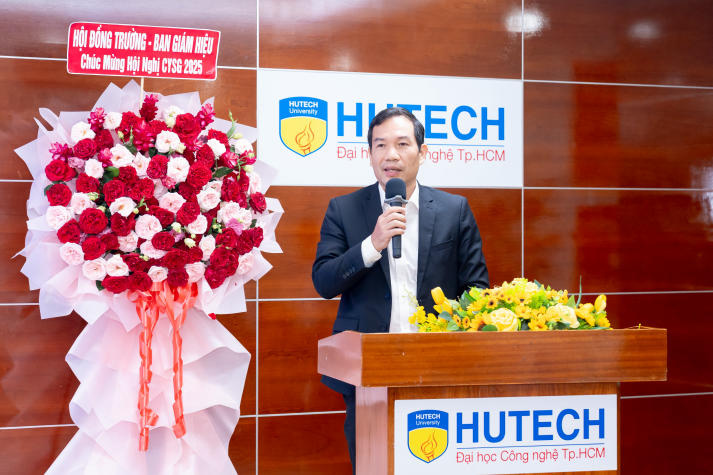
Prof. Dr. Le Van Canh emphasized the core role of science and technology in the current digital transformation context
He also stressed that in the context of digital transformation and deep integration, training a generation of students and doctoral candidates with independent thinking, creativity, and a spirit of open-mindedness is a strategic and urgent task. CYSG is not only an academic playground but also contributes to shaping a professional research environment, encouraging multidimensional academic exchange and promoting a scientific mindset among the younger generation.
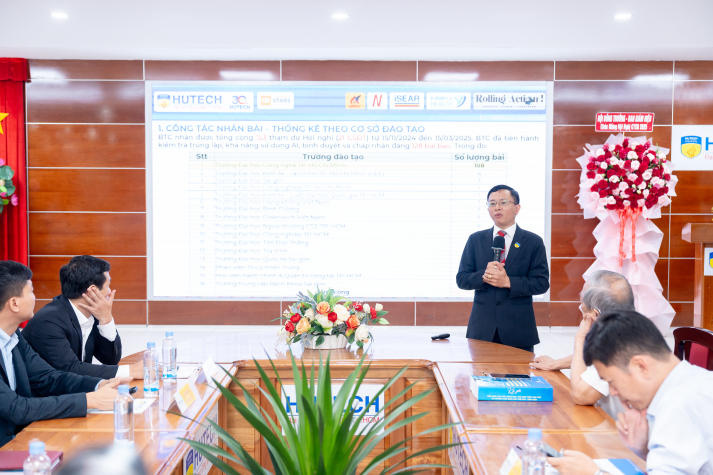
In an overview of the organization process, Assoc. Prof. Dr. Thai Van Nam, Director of the Institute of Postgraduate Studies and Co-Chair of the Organizing Committee, shared that the submission, screening, and review of conference papers took place from November 15, 2024, to March 15, 2025. The entire process was closely monitored to ensure transparency, research ethics, and academic depth. The conference proceedings, a comprehensive 1,182-page academic publication, is divided into two main sections: Engineering - Technology and Economics - Social Sciences, and further subdivided into nine specialized subcommittees for more focused academic discussions.
In an overview of the organization process, Assoc. Prof. Dr. Thai Van Nam, Director of the Institute of Postgraduate Studies and Co-Chair of the Organizing Committee, shared that the submission, screening, and review of conference papers took place from November 15, 2024, to March 15, 2025. The entire process was closely monitored to ensure transparency, research ethics, and academic depth. The conference proceedings, a comprehensive 1,182-page academic publication, is divided into two main sections: Engineering - Technology and Economics - Social Sciences, and further subdivided into nine specialized subcommittees for more focused academic discussions.
 |
 |
 |
 |
In terms of subject distribution, the Economics group led with 71 papers, with Business Administration standing out with 58 submissions. The Engineering - Technology group contributed 21 papers, mainly in high-application fields like Automotive Engineering. The Social Sciences - Languages group had 36 papers, mostly from English Linguistics and Law. This paper distribution reflects a diverse research landscape aligned with practical demands and international integration goals in education and research.
Notably, HUTECH continued to play a leading role by contributing 108 out of the 128 accepted papers, highlighting the university’s methodical investment and long-term strategy in postgraduate scientific research. Other institutions also made significant contributions, indicating that HUTECH's research movement is expanding and becoming a vital driving force in developing high-quality human resources for the country.
In the plenary session, two exemplary studies were presented, showcasing the scientific spirit and quality of CYSG 2025. Representing his team, Phan The Anh presented the study “Some Remarks on Leadership Perspectives in Traditional Vietnamese Culture”, which delved into the cultural depth of traditional leadership models, suggesting new approaches to governance research in the context of modernization while preserving national identity. Following that, Dinh Duc Hoa presented the study “Research on the Use of Natural Coagulants from Cactus Plants in Landfill Leachate Treatment”, offering a typical example of the green technology research trend that is environmentally friendly and applicable to urgent societal issues.
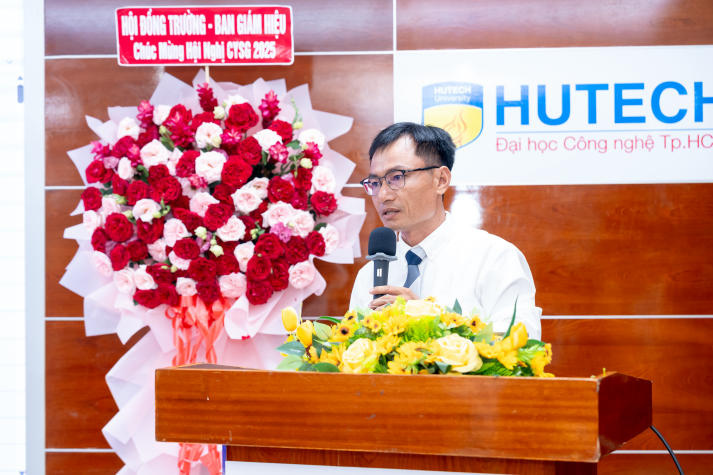
Phan The Anh presented a study exploring the cultural depth of traditional leadership models
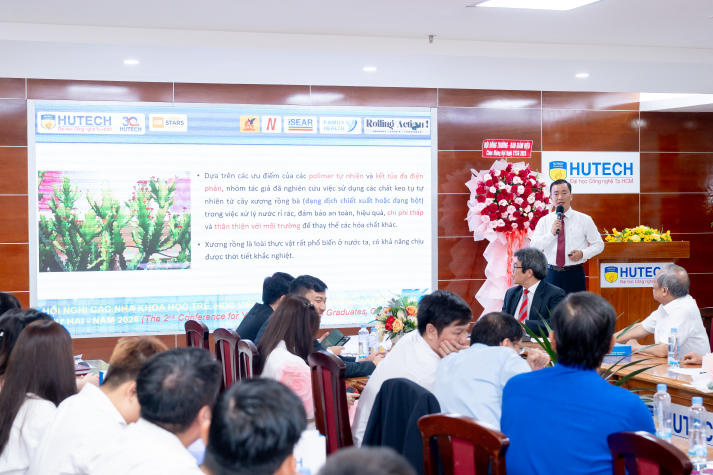
Duc Hoa presented his study on the use of natural coagulants from cactus in landfill leachate treatment
 |
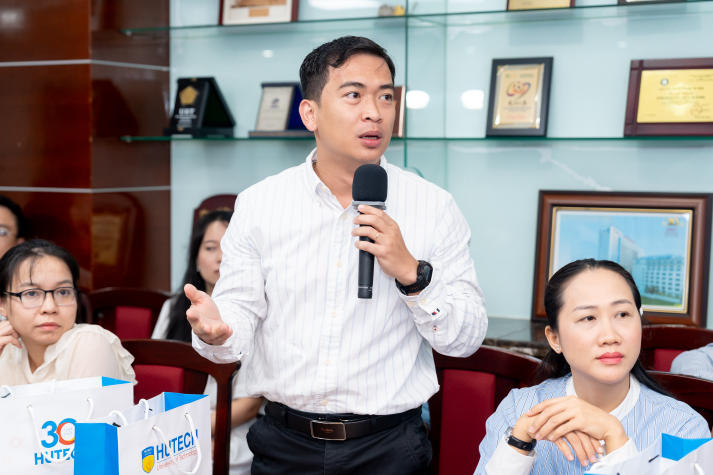 |
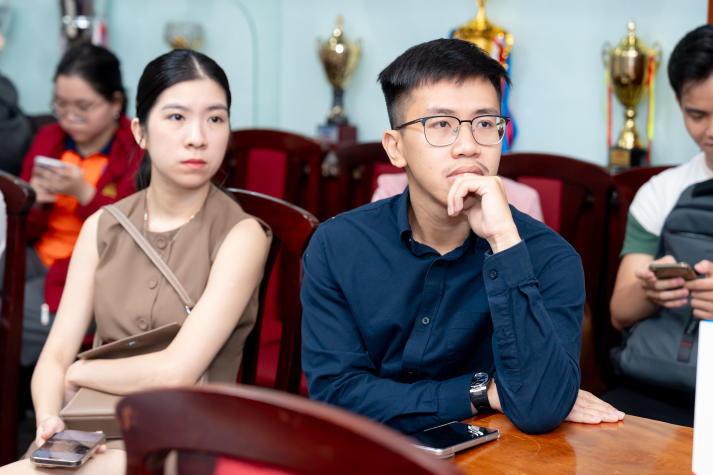
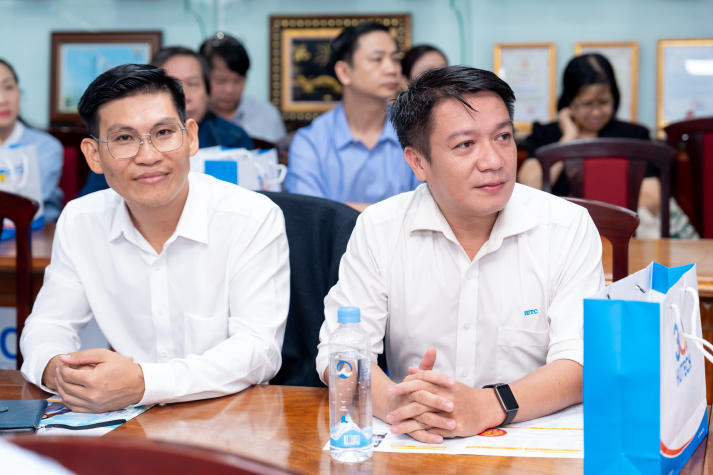
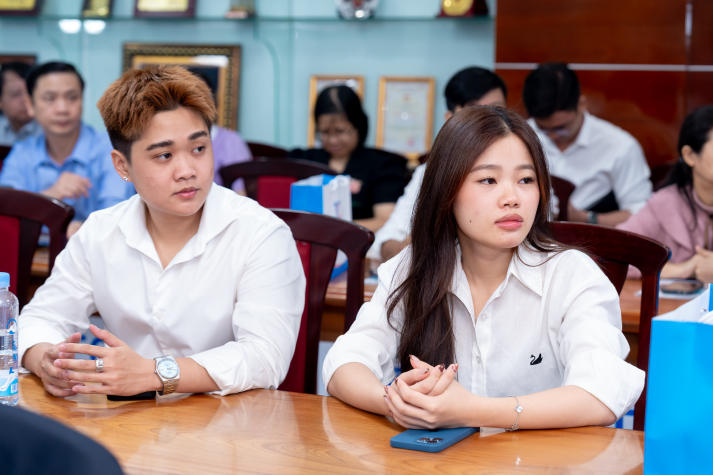
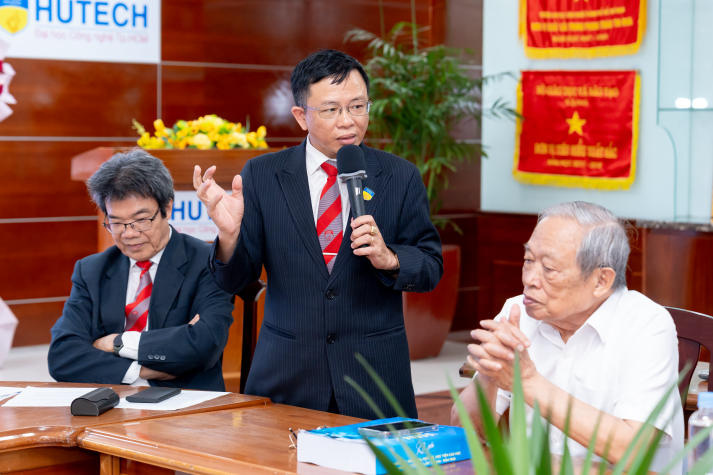
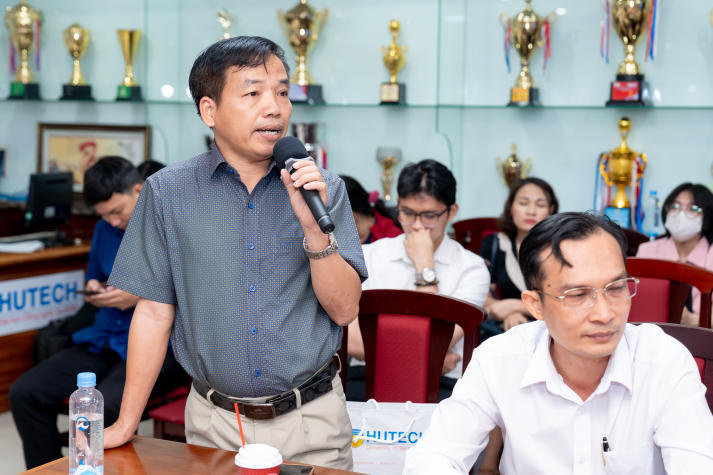
The plenary session received enthusiastic feedback and discussion from attendees
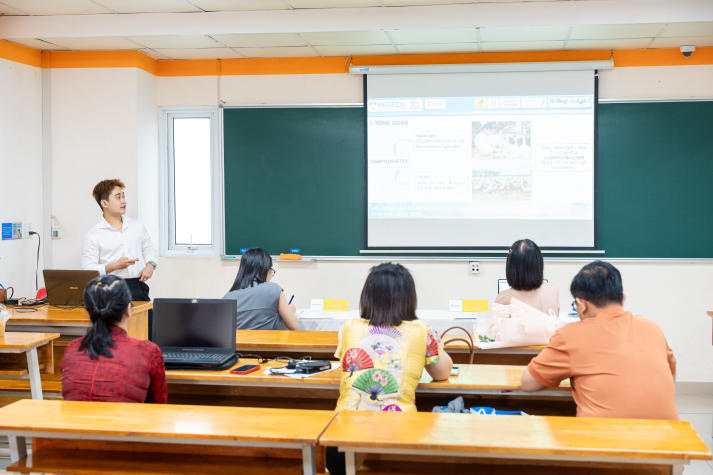
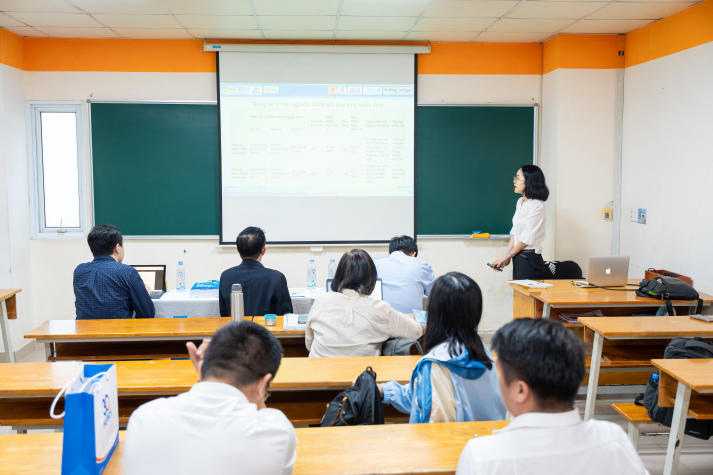
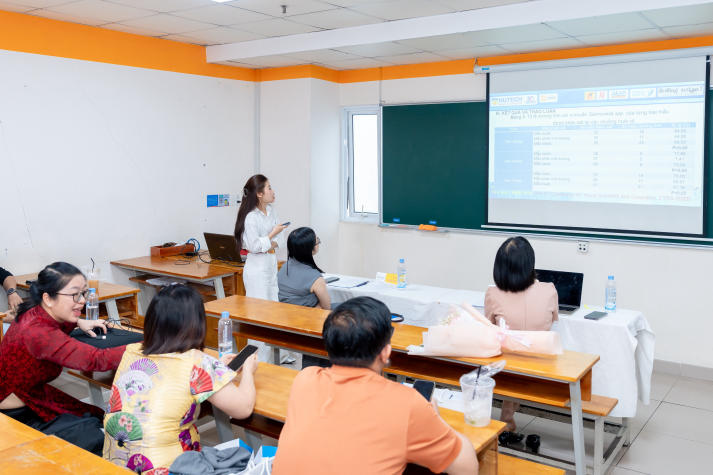
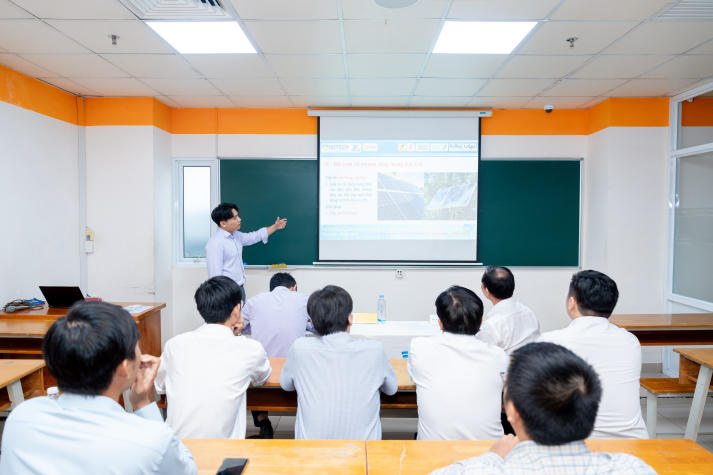
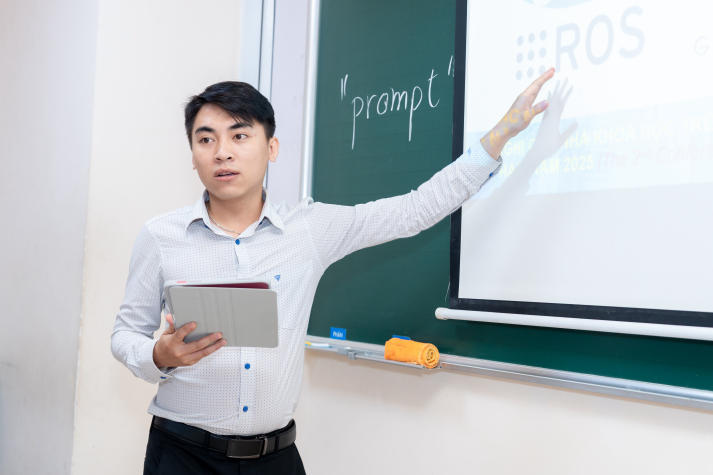
Immediately following the plenary session, 32 specialized subcommittee sessions were held across a wide range of fields, including Electrical - Electronics Engineering, Environment and Biotechnology, Tourism, Business Administration, Law, English Linguistics, Construction - Information Technology, Veterinary Medicine, and Automotive Engineering. Each presentation was not only a product of intellectual effort but also a reflection of the young scientists’ sense of responsibility to society and their aspiration to contribute through knowledge and innovation.
 |
 |
 |
 |
 |
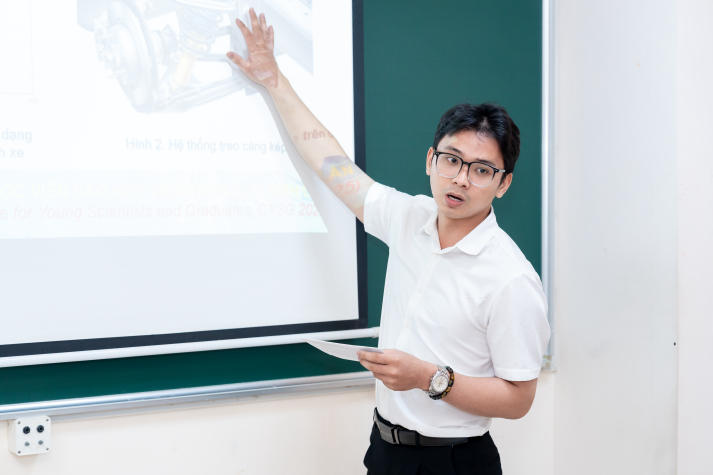 |
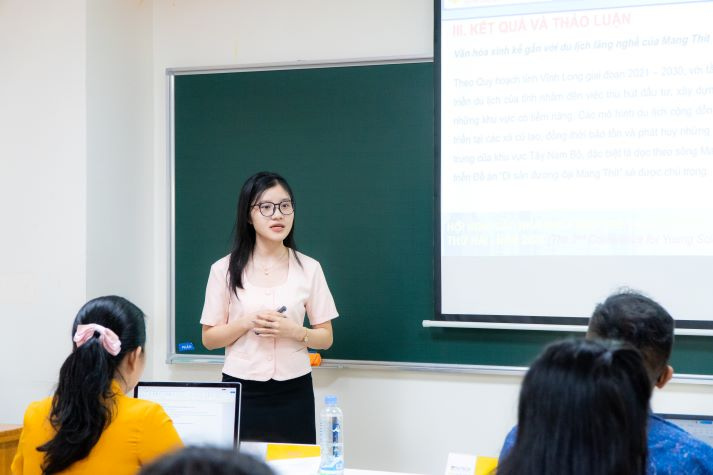
32 specialized subcommittee sessions were held across diverse academic fields.
 |
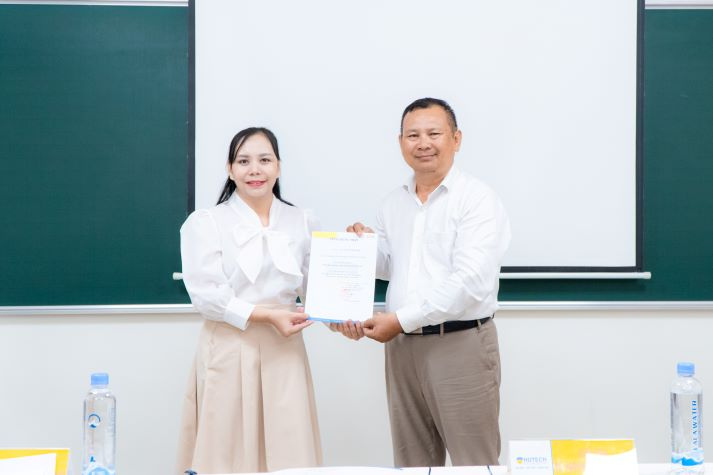 |
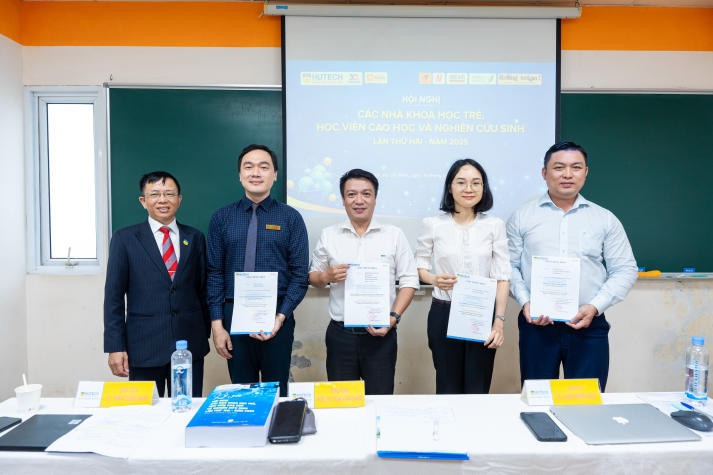
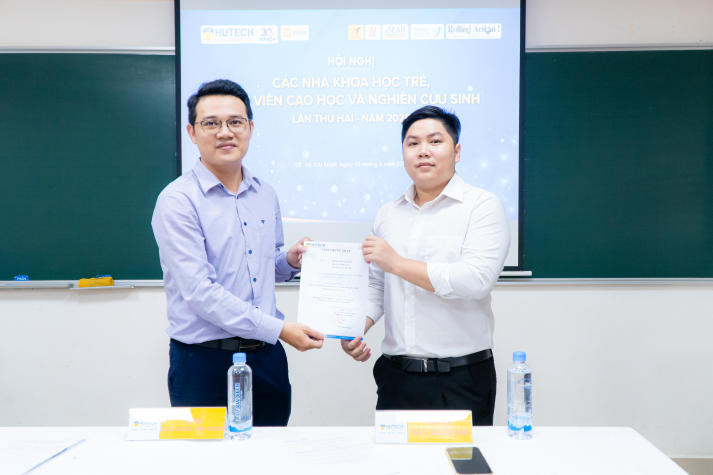
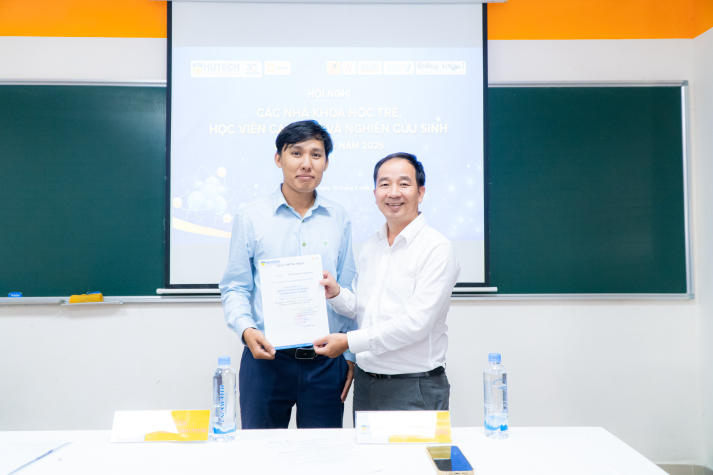
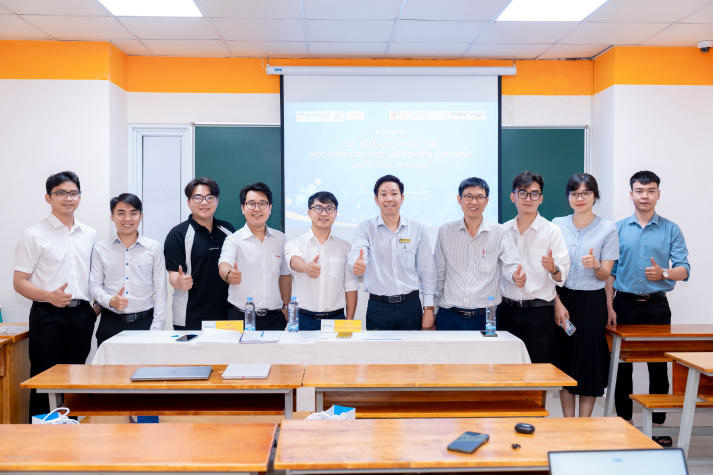
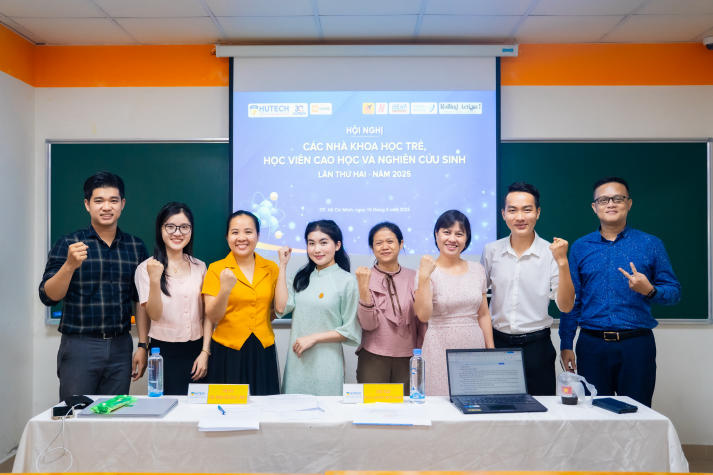
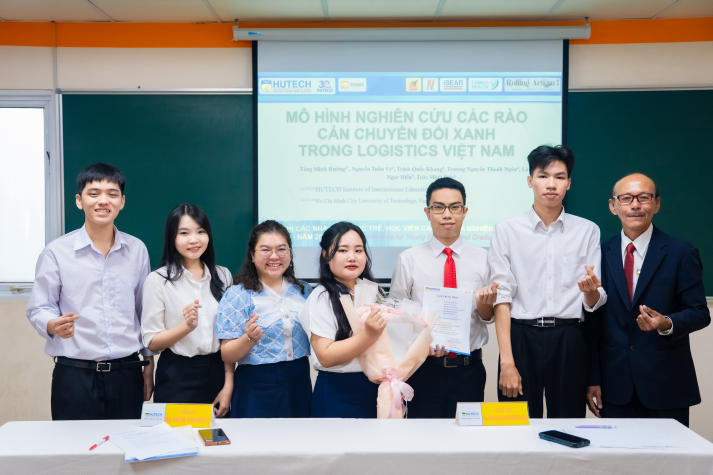
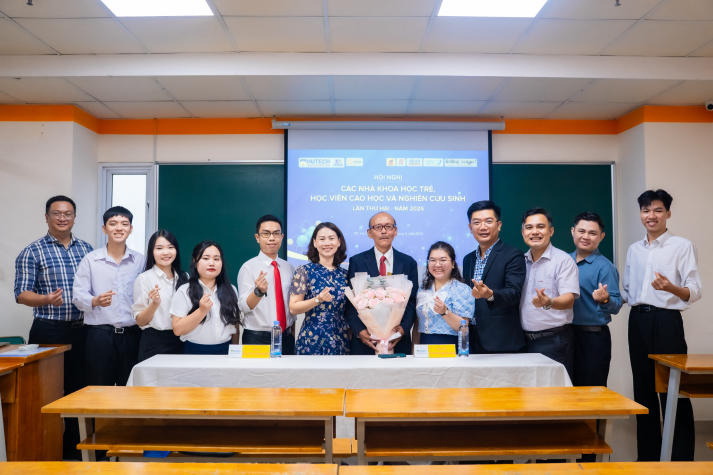
Young researchers received certificates of participation from the Conference
 |
 |
 |
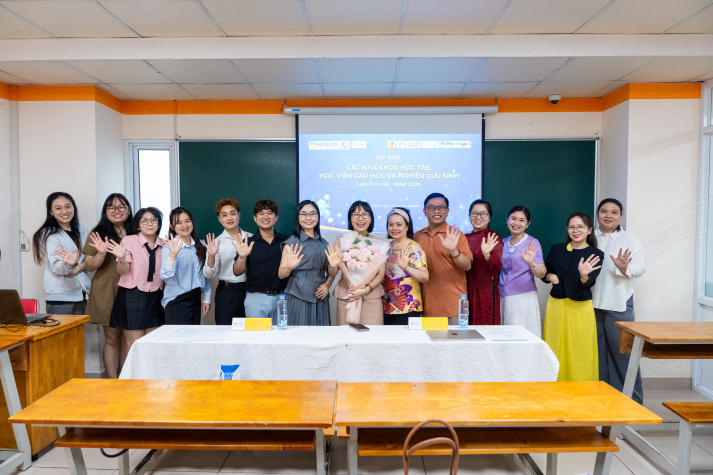 |
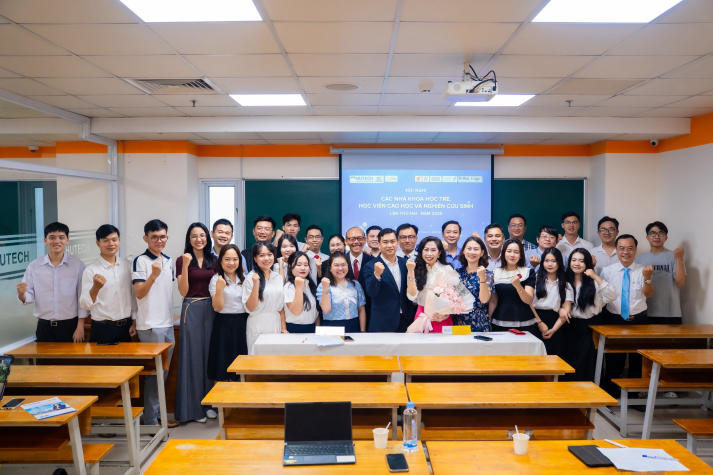
Subcommittee sessions created opportunities for direct academic exchange and broadened perspectives
A poster session also took place in parallel as an academic exhibition, featuring 72 posters across various disciplines. This open space allowed participants to easily access and explore new research results while engaging directly with authors to expand academic perspectives and inspire further research directions.
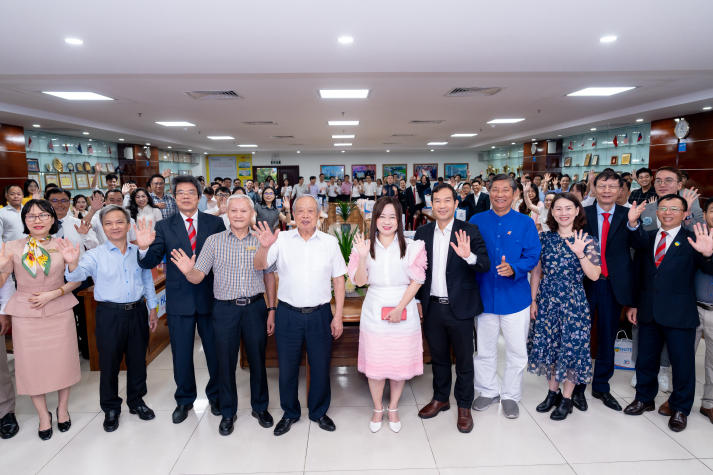
CYSG 2025 fostered a spirit of connection, learning, and experience sharing among young scholars
The organization of CYSG 2025 successfully promoted the spirit of connection, learning, and sharing among graduate students, doctoral candidates, and faculty members, contributing to the development of a broad and sustainable academic network. CYSG 2025 was not only an academic milestone but also a powerful affirmation that today’s young generation is fully capable of becoming pioneers in knowledge creation, innovation, and scientific development — at HUTECH in particular and in Vietnam as a whole.
News by: Hong Loan
Photos by: Media Team
Media Center
Other news
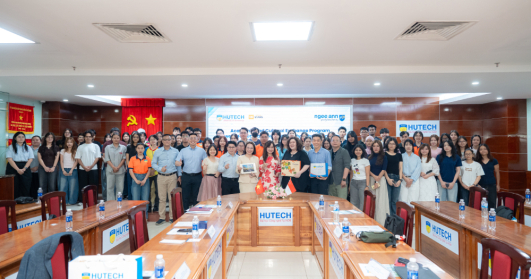
Ngee Ann Polytechnic (Singapore) students join HUTECH students in discovering a young and dynamic Vietnam
On September 14, Ho Chi Minh City University of Technology (HUTECH) welcomed a delegation of faculty members and students from Ngee Ann Polytechnic...
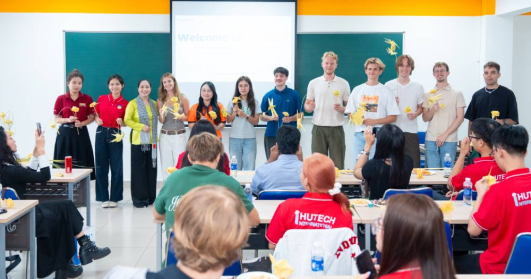
International students begin their Fall Semester Exchange at HUTECH
On September 4, the “Welcome to HUTECH: Orientation Session for International Students” helped international students participating in the Fall...
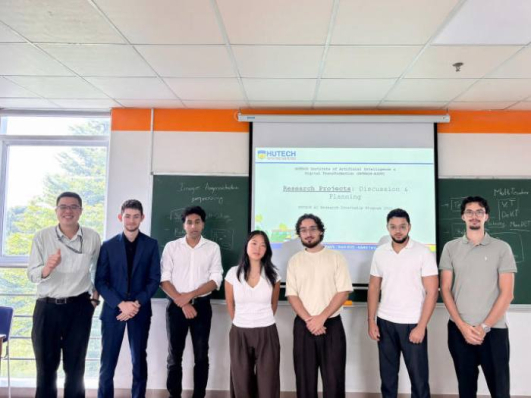
French students complete intensive research internship at HUTECH Institute of Artificial Intelligence and Digital Transformation
After a period of learning, exploration, and tackling real-world technology challenges, a group of French students concluded their intensive...
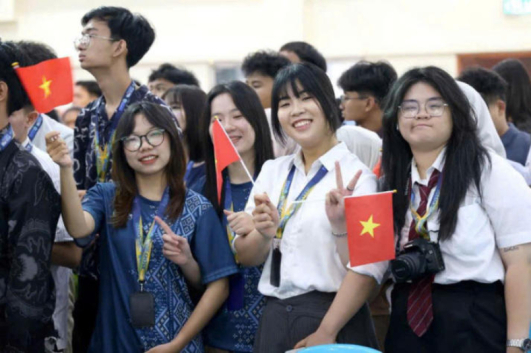
HUTECH students make their mark at ASEAN Student Experiential Mobility Programme in Malaysia
Proactively integrating, experiencing international learning environments, and testing themselves in multinational academic activities, 4 students...
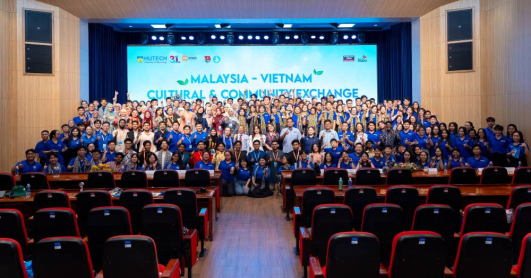
HUTECH connects Vietnamese and Malaysian youth through the International Green Summer Volunteer Campaign 2026
The gap between young people from the two countries was bridged in a very special way: painting a playground, cleaning streets, bringing light to...
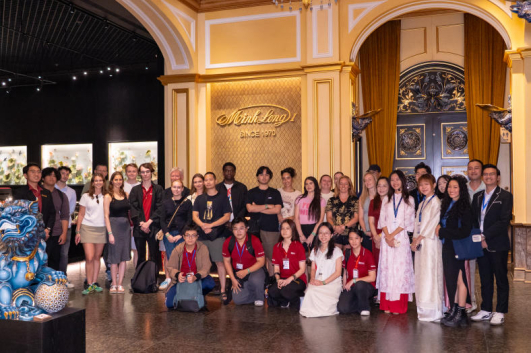
Vietnam Summer Program 2026: I-HUTECH connects students through learning and cultural exchange
Nearly two weeks of learning, cultural exploration, and hands-on experiences gave students from Ho Chi Minh City University of Technology (HUTECH)...