


Academic exchange between HUTECH and Gyeongsang National University students on sustainable forest management
- 14/01/2026
As climate change becomes increasingly complex, forest ecosystems are under growing pressure, leading to biodiversity loss and weakening their role in climate regulation.
In response to this challenge, the Institute of Applied Sciences at Ho Chi Minh City University of Technology (HUTECH) organized the seminar titled Forest Management Strategies in Response to Climate Change. The event brought together experts and students from Gyeongsang National University in the Republic of Korea, offering an international perspective on sustainable forest management.
In response to this challenge, the Institute of Applied Sciences at Ho Chi Minh City University of Technology (HUTECH) organized the seminar titled Forest Management Strategies in Response to Climate Change. The event brought together experts and students from Gyeongsang National University in the Republic of Korea, offering an international perspective on sustainable forest management.
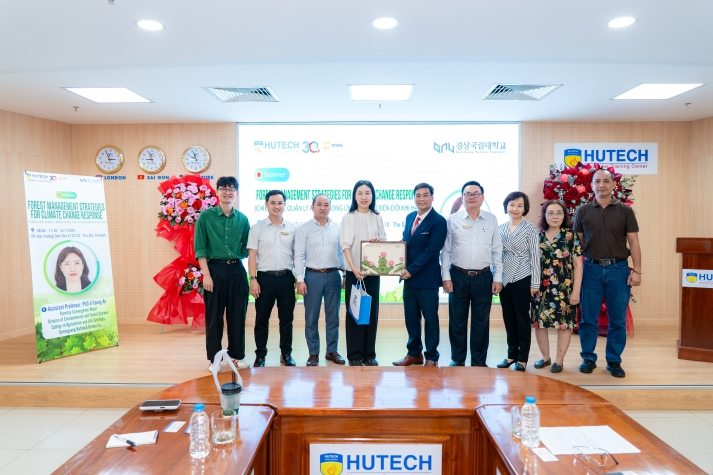
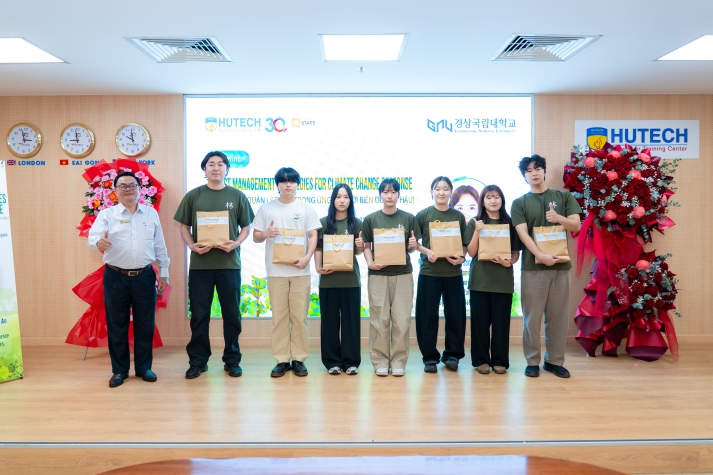
Representative of the Institute of Applied Sciences presented a token of appreciation to the delegation of lecturers and students from GNU
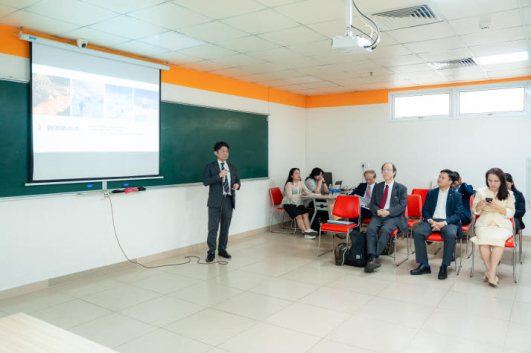
Assoc. Prof. Dr. An Ji Young from the College of Agriculture and Life Sciences shared a series of studies highlighting the critical role of forests in carbon sequestration, temperature regulation, and the maintenance of the water cycle. She also introduced modern forest management approaches, including the development of climate resilient tree species, the promotion of natural regeneration, and the application of LiDAR technology in forest surveying and management.
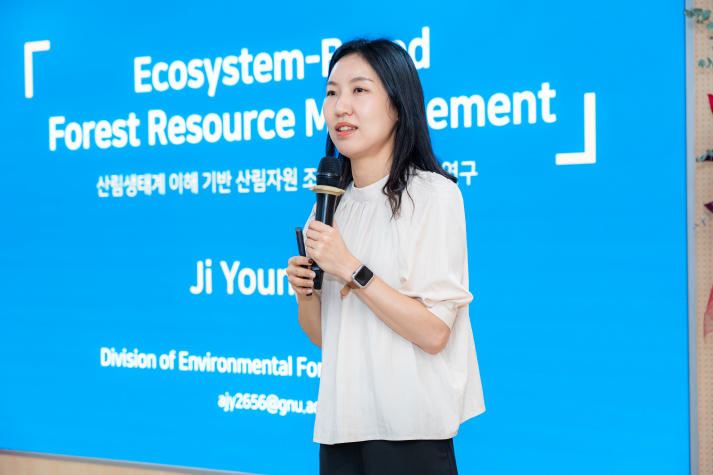
Assoc. Prof. Dr. An Ji Young also discussed the role of forests in supporting carbon absorption, regulating temperature, and sustaining natural water cycles
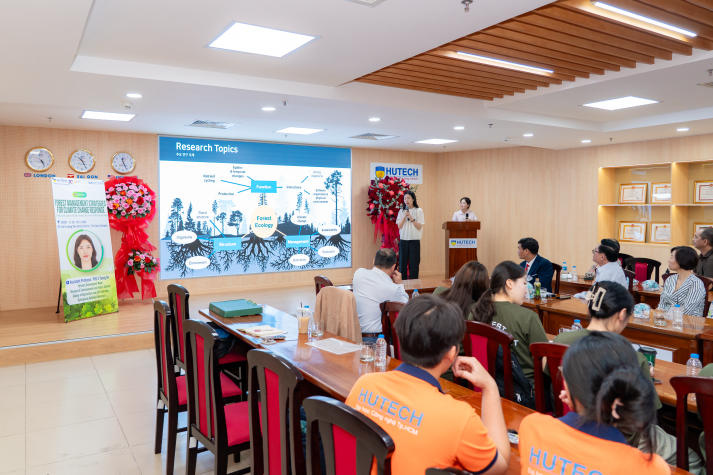
In addition, the presentation explored research on belowground root ecology, carbon and nutrient cycles, and interaction mechanisms between aboveground and belowground components of forest ecosystems. These findings contribute to a stronger scientific foundation for sustainable forest management models that align with ecological conditions and enhance adaptability to climate change.
 |
 |
 |
 |
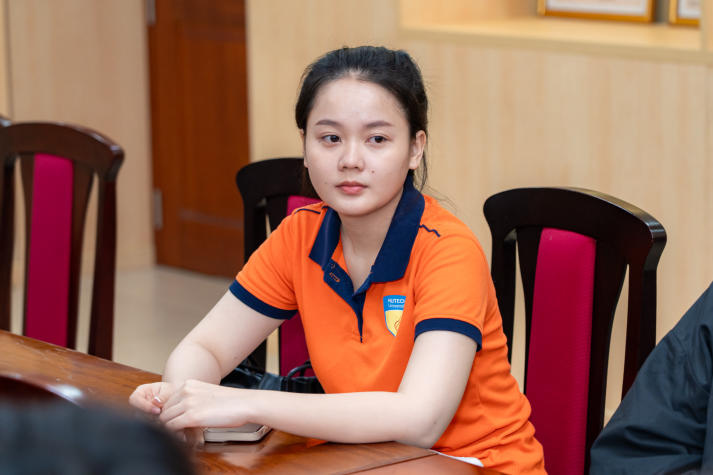
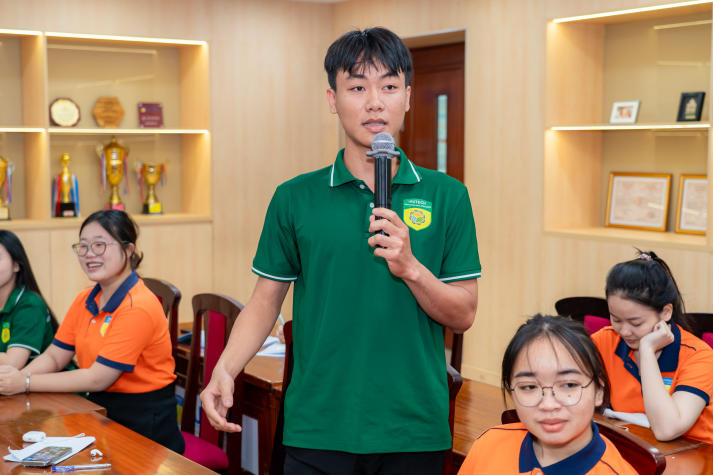
Following this, students from the College of Agriculture and Life Sciences introduced the convergent forestry curriculum, which aims to train future forestry professionals equipped to meet the demands of the Fourth Industrial Revolution. The curriculum combines foundational and advanced knowledge with hands-on training at the Jirisan Experimental Forest, covering an area of 2,100 hectares. This practical experience allows students to build field expertise and develop professional skills.
 |
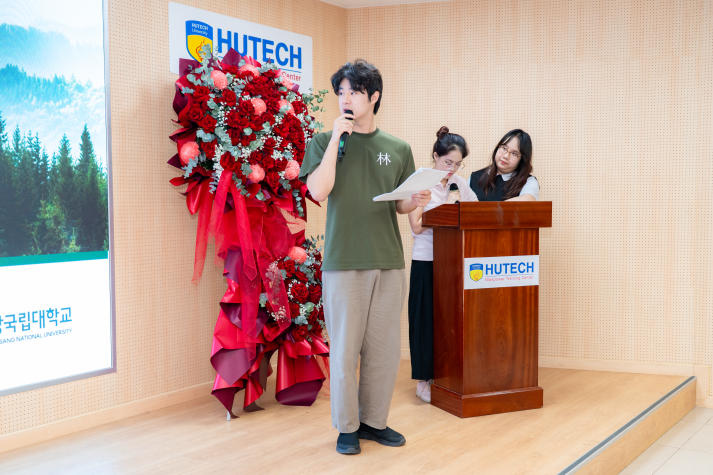 |
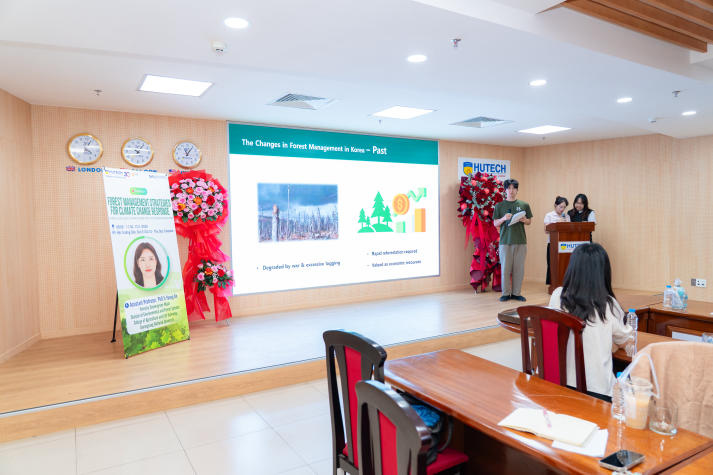
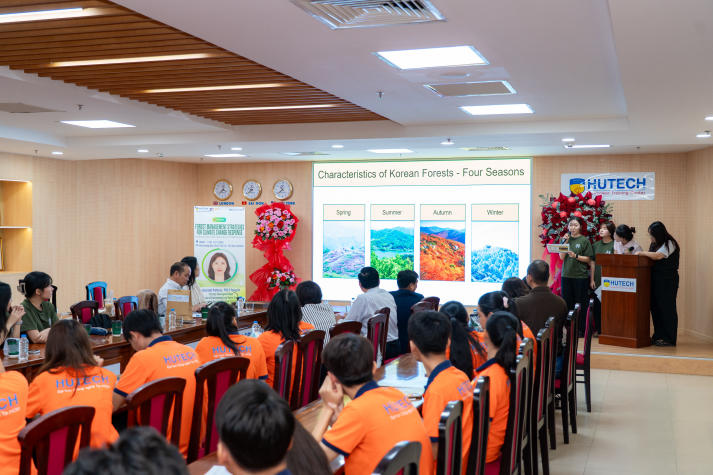
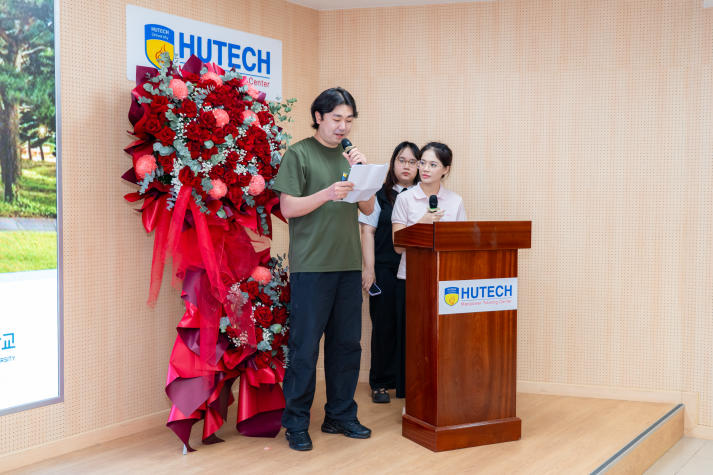
Students from the College of Agriculture and Life Sciences introduced the convergent forestry curriculum during the seminar
Beyond academic training, the presentation also systematized the role of forests in climate change response by outlining key functions such as carbon absorption and storage, temperature regulation, and water cycle regulation. The speakers also provided an overview of forest characteristics in the Republic of Korea, where predominantly mountainous terrain supports diverse forest ecosystems across four distinct seasons. This overview helped participants better understand the natural context underlying forest research and management.
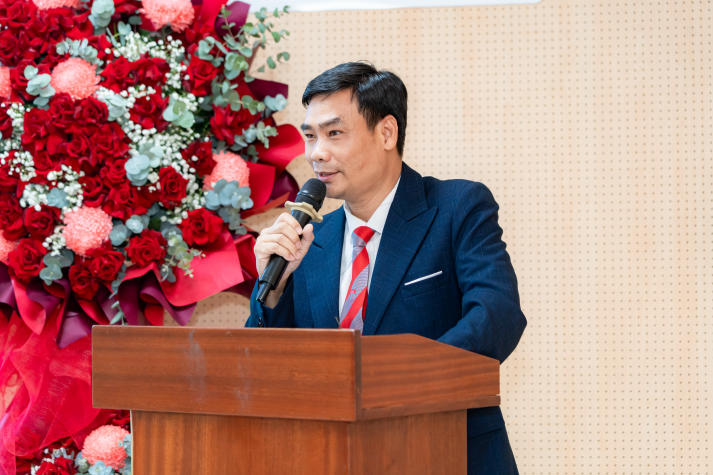
Dr. Lam Vinh Son expressed his hope that the activity would open opportunities for long term cooperation between the two universities
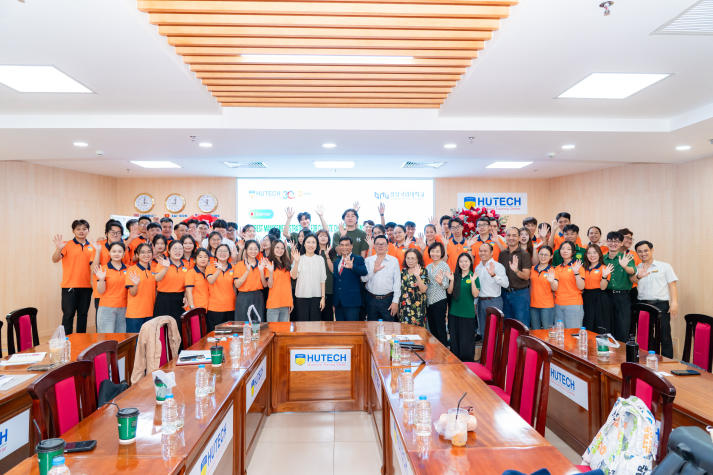
The seminar not only fostered academic exchange but also underscored shared commitments to nature conservation and sustainable development
Speaking at the event, Dr. Lam Vinh Son, Vice Director of the Institute of Applied Sciences, expressed his hope that the seminar would serve as a starting point for long term cooperation between HUTECH and Gyeongsang National University. He emphasized that future collaboration would extend beyond academic exchange and contribute to common goals in environmental protection and sustainable development.
News: Mỹ Lam
Photo: Thành Phúc
Communication Center
Photo: Thành Phúc
Communication Center
Other news
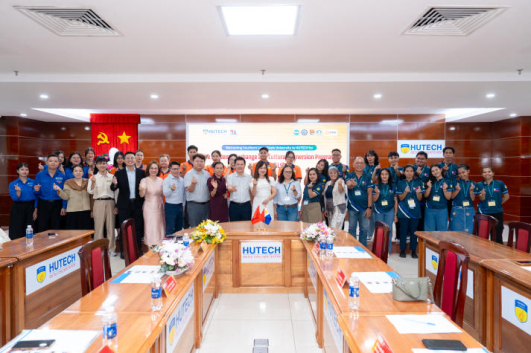
HUTECH welcomes Southern Leyte State University students for international academic and cultural exchange week
Students from the Faculty of Marketing and International Business at Ho Chi Minh City University of Technology (HUTECH) and students from Southern...
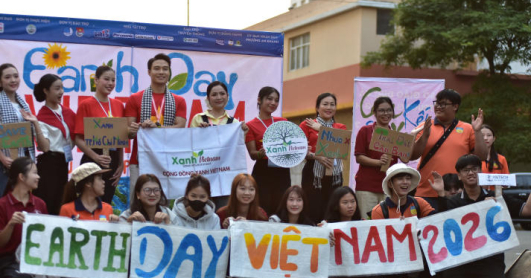
Students of the Faculty of Chinese Studies promote green living at Earth Day Vietnam 2026
In response to Earth Day on April 22 and in anticipation of World Environment Day on June 5, students from the Faculty of Chinese Studies at Ho Chi...
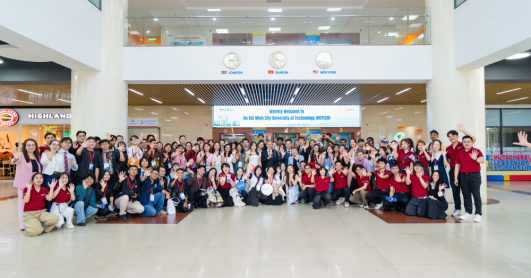
HUTECH connects international students, showcasing a modern and dynamic learning environment
On March 20, Ho Chi Minh City University of Technology (HUTECH) welcomed a delegation of international representatives and students for a campus...
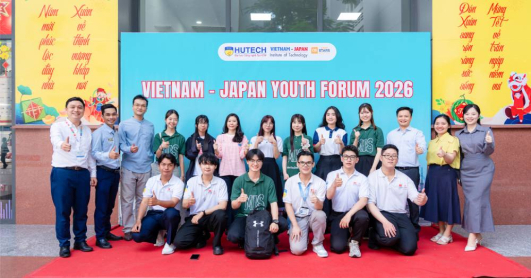
Vietnam - Japan Youth Forum 2026: VJIT students develop a collaborative Vietnam - Japan project
Continuing its commitment to internationalizing the learning environment, the Vietnam-Japan Institute of Technology (VJIT) at Ho Chi Minh City...
Academic exchange with NIIT helps VJIT students broaden perspectives on advanced technology applications
The academic exchange with Niigata Institute of Technology (NIIT) provided students from the Vietnam-Japan Institute of Technology (VJIT) at Ho Chi...
Students of the Faculty of Architecture and Arts win multiple awards at the Hanyoung Foundation Design Contest 2025
Surpassing more than 1,000 contestants from around the world, students of the Faculty of Architecture and Fine Arts at Ho Chi Minh City University...