


HUTECH students broaden perspectives on sustainable mobility with Indian expert
- 02/08/2025
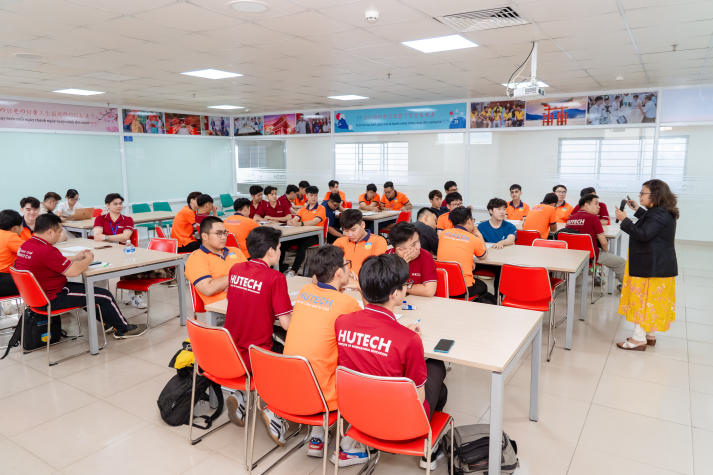
With the goal of equipping students with practical knowledge and a mindset for sustainable transportation development, on July 31, the Department of International Relations and Project Management at Ho Chi Minh City University of Technology (HUTECH) organized a workshop titled “Sustainable Mobility: Assessing Public Transport and Promoting Electric/Green Transportation.”
The workshop attracted strong interest and active participation from Automotive Engineering students of the Institute of International Education. The event was not only an opportunity to explore sustainable transportation trends that are reshaping global urban landscapes, but also an academically enriching platform where students could directly learn from international experts in transportation engineering and technology.
The workshop attracted strong interest and active participation from Automotive Engineering students of the Institute of International Education. The event was not only an opportunity to explore sustainable transportation trends that are reshaping global urban landscapes, but also an academically enriching platform where students could directly learn from international experts in transportation engineering and technology.
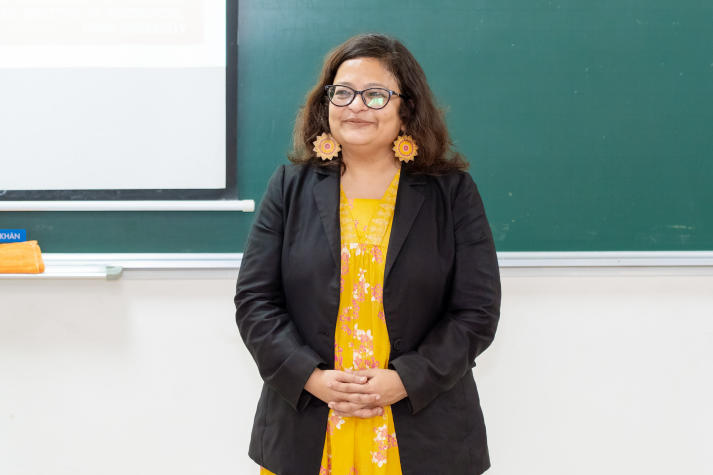
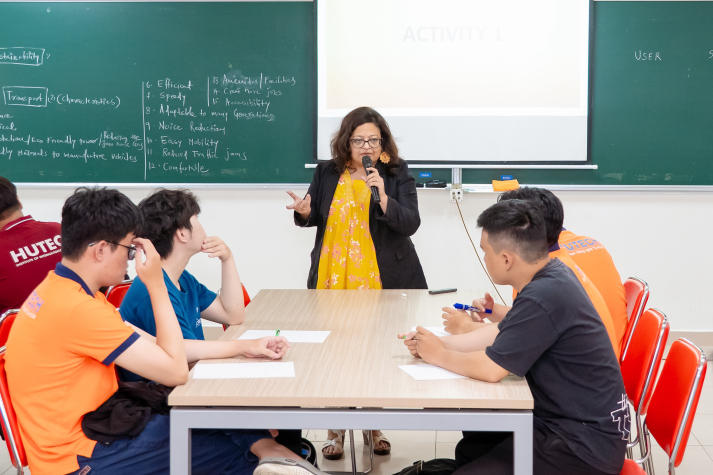
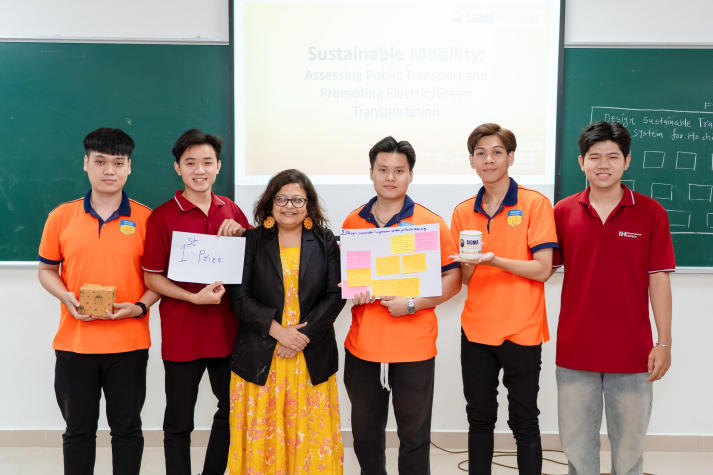
Dr. Nipa Desai is the main speaker of the workshop
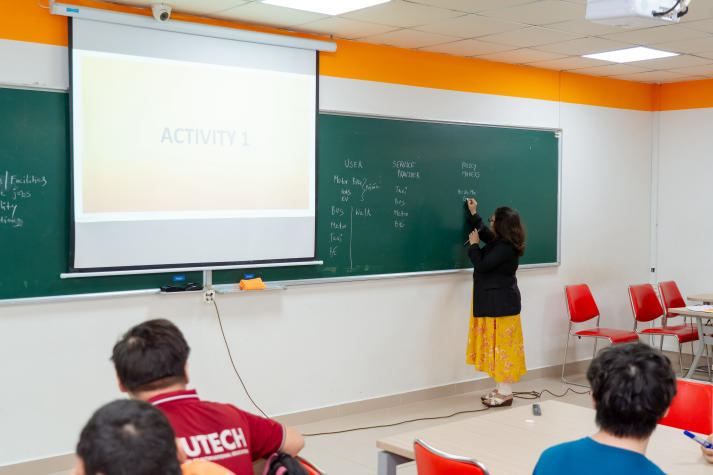
Serving as the main speaker was Dr. Nipa Desai, Director of the Institute of Engineering and Dean of the Faculty of Engineering & Technology at Sigma University (India). With extensive experience in urban mobility research and consulting, she provided in-depth analysis on three critical pillars of a modern transportation system: the users, the operators, and the planners. According to her, in a rapidly developing city, transportation planning must be integrated and flexible, with users placed at the center of all design and decision-making processes.
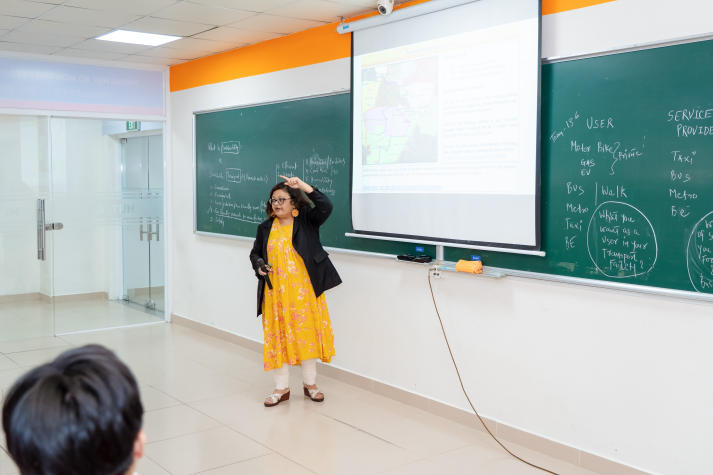
The expert shares practical insights, sustainable mobility strategies, and addresses student questions
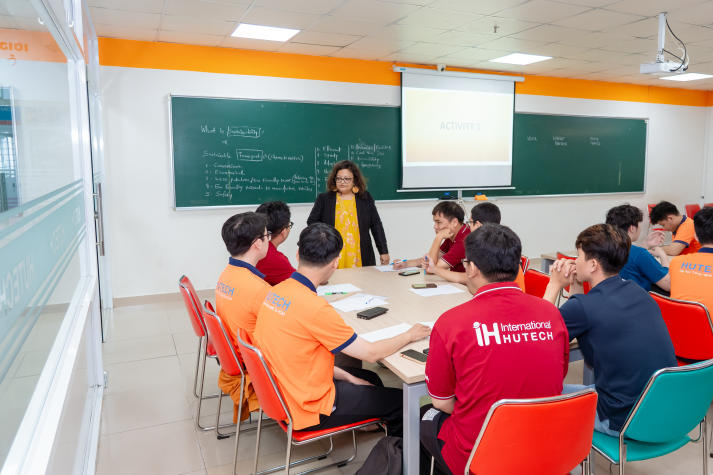
Dr. Desai particularly emphasized the essential role of feeder transport systems, which act as critical connectors between major transit routes and passengers’ final destinations. In the context of growing urbanization and increasing regional connectivity demands, implementing electric feeder vehicles combined with flexible parking station models is seen as a feasible solution for optimizing public transport networks. This approach also supports the adoption of green mobility solutions, especially electric vehicles (EVs), aimed at reducing pollution and improving energy efficiency.
 |
 |
 |
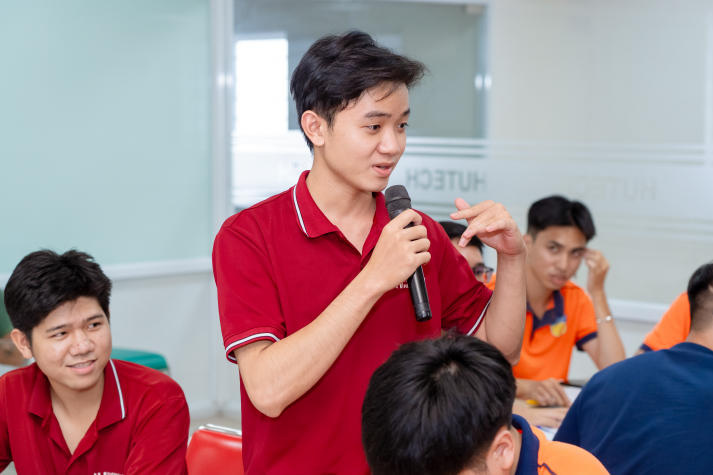 |
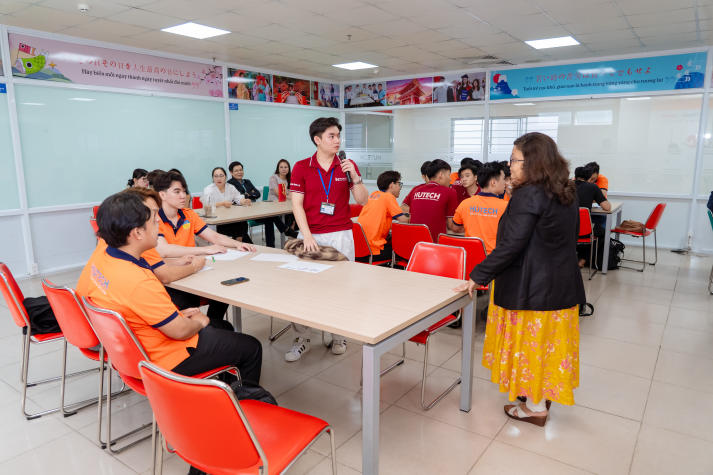
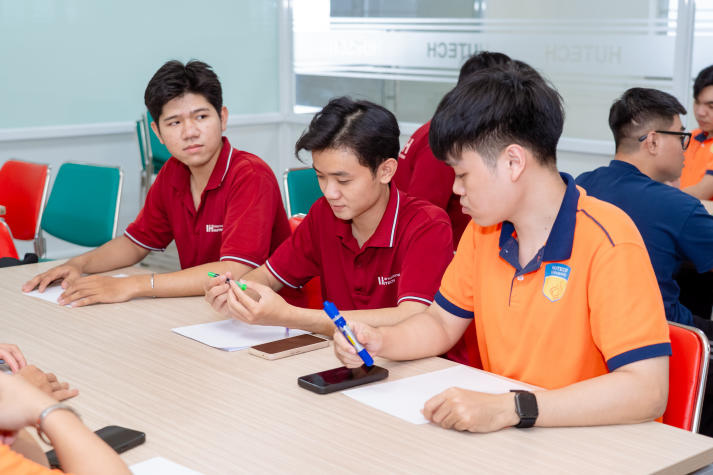
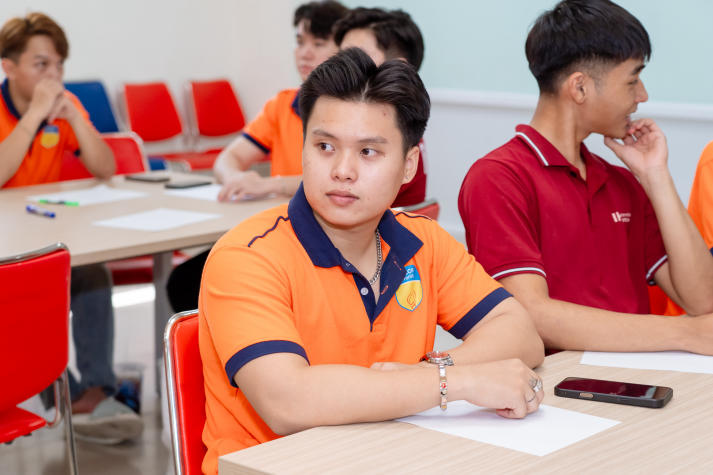
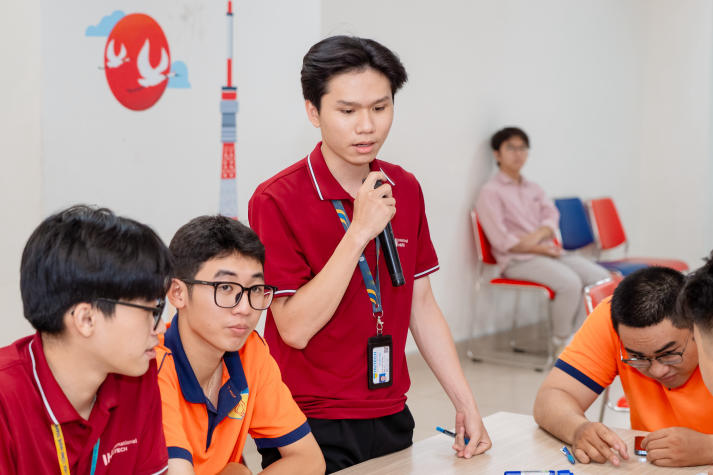
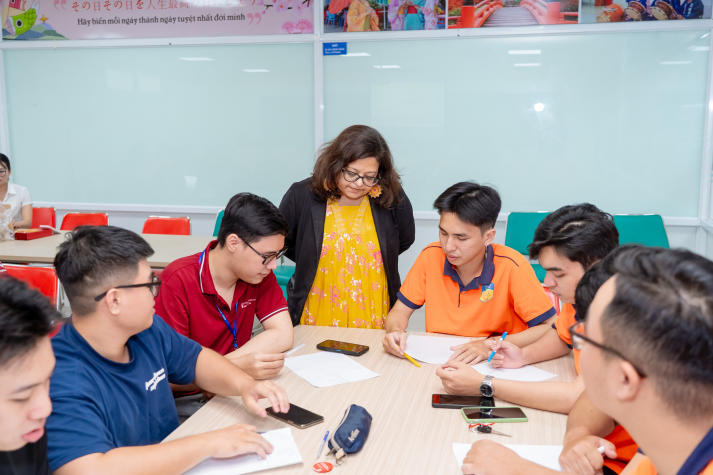
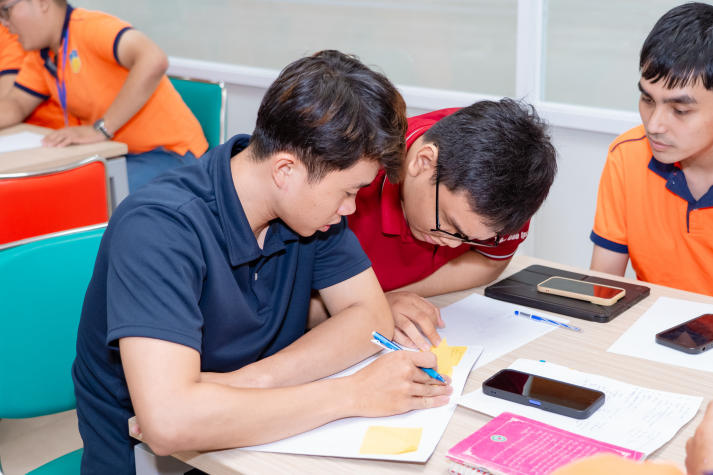
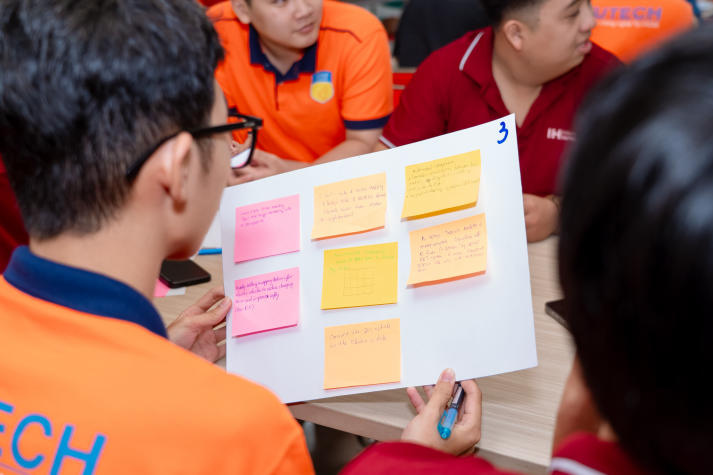
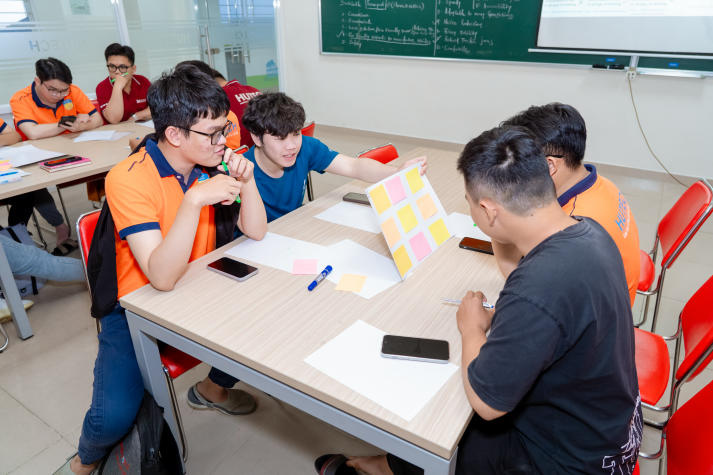
Under the expert’s guidance, students discuss and analyze a real-world case study from Vadodara
Dr. Desai also shared a detailed case study of Vadodara (India), where public transport usage remains low due to inadequate service quality and poor end-of-journey connectivity. Based on survey results, she noted that the majority of residents expressed a willingness to use integrated public transport systems if supported by accessible feeder options and well-coordinated infrastructure. She proposed a three-tiered model of parking stations, large, medium, and small, strategically located to enhance urban connectivity. According to her, this is a highly practical initiative that could be applied to developing cities.
 |
 |
 |
 |
 |
 |
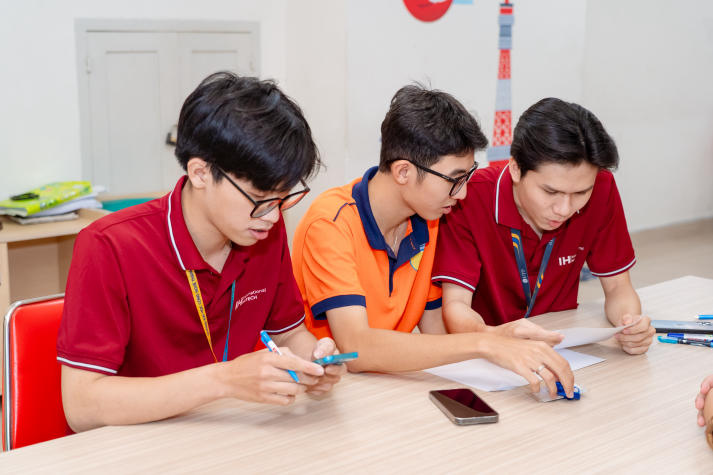
The activity helped students develop critical thinking and strategic problem-solving skills
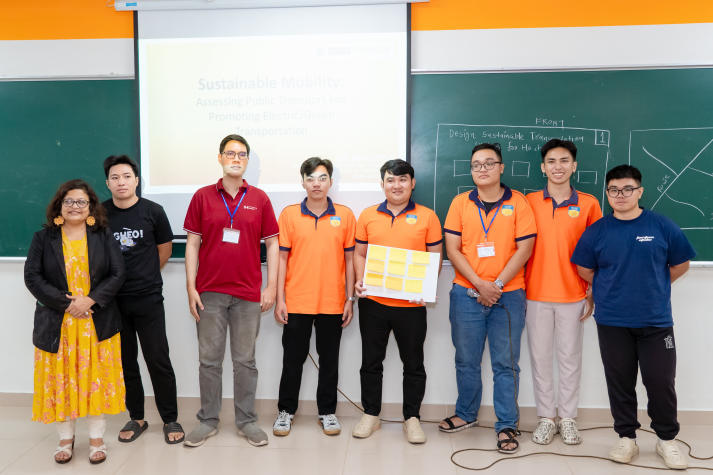
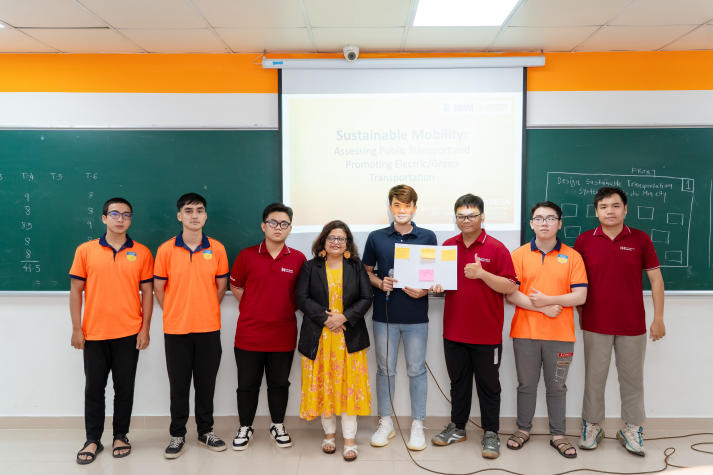
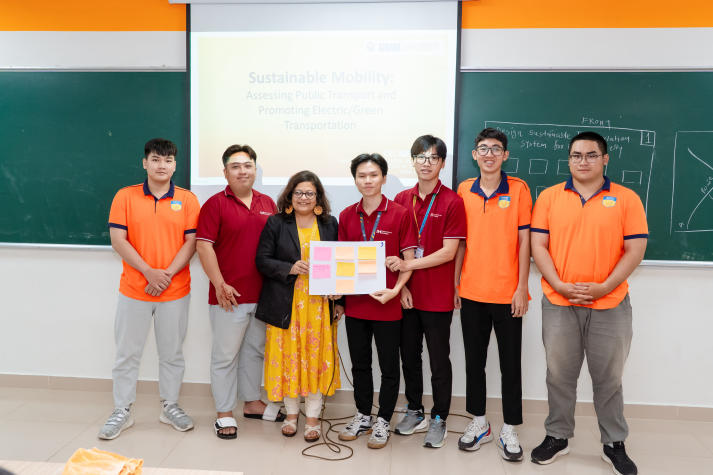
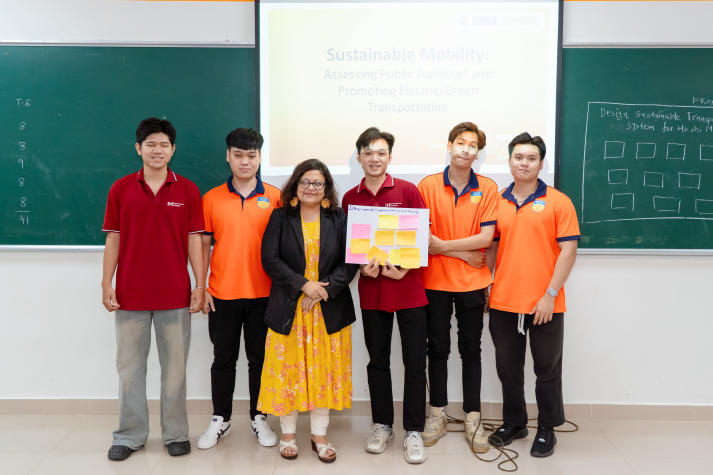
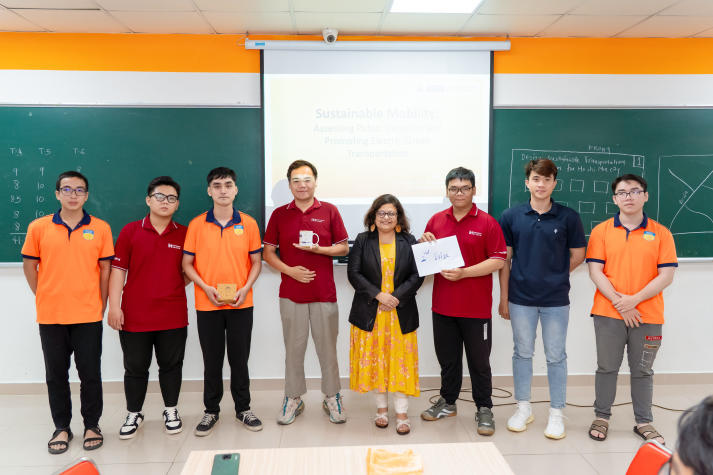
With direct guidance from the expert, students engaged in group discussions to analyze the Vadodara case study and propose practical solutions tailored to the context of Vietnam. This activity not only encouraged students to apply theoretical knowledge but also strengthened their critical thinking and strategic problem-solving abilities.
 |
 |
 |
 |
 |
 |
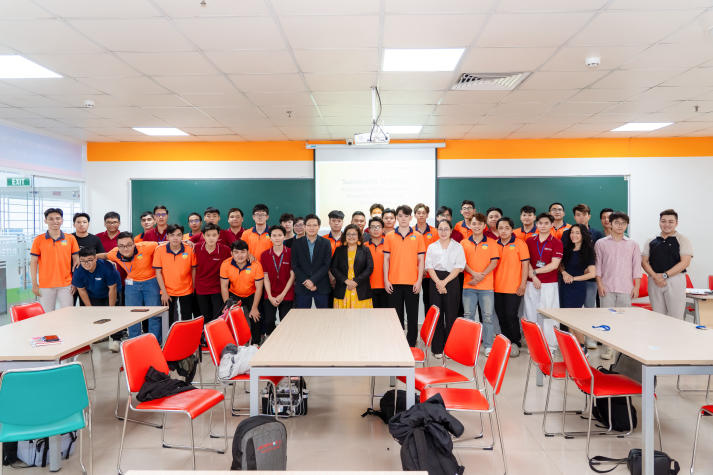
Global expert engagement helps broaden young learners’ international outlook
Through this academic activity, students gained practical insights and were encouraged to adopt a mindset of sustainable urban mobility, applicable to real-world contexts in Vietnamese cities. Additionally, the opportunity to connect with international experts helped broaden students’ global outlook, reinforcing HUTECH’s commitment to a practice-oriented and internationally integrated education model.
News: Ngân Hà
Photo: Thành Phúc
Communication Center
Other news
Business Administration students approach global economic policy with expert from Marquette University
To give students a better understanding of international business and the global economy, the Faculty of Business Administration at Ho Chi Minh...
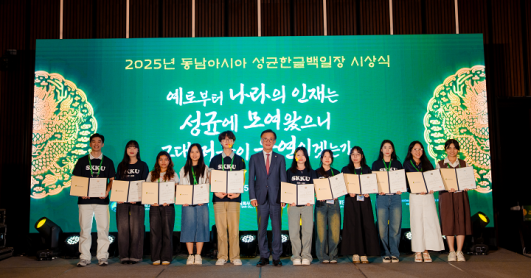
Korean Studies students excel at the 2025 Sungkyun Korean Essay Contest
Overcoming many competitors from universities across Vietnam and abroad, students from the Faculty of Korean Studies at Ho Chi Minh City University...
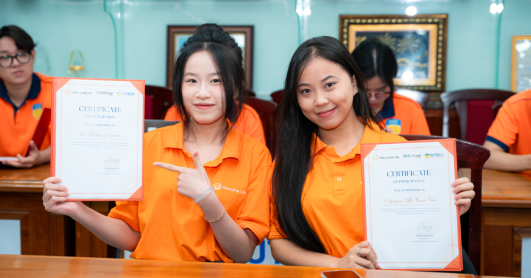
Hanwha Life Finance Mentor wraps up, highlighting growth of 40 HUTECH students
After more than a month of meaningful activities, 40 students from Ho Chi Minh City University of Technology (HUTECH) were honored on October 2 at...
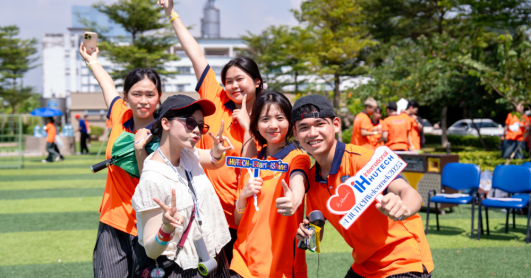
“iHUTECH - iStart - iShine”: Freshmen connect through fun and teamwork
On the morning of October 1, the campus of Ho Chi Minh City University of Technology (HUTECH) came alive as the Institute of International...
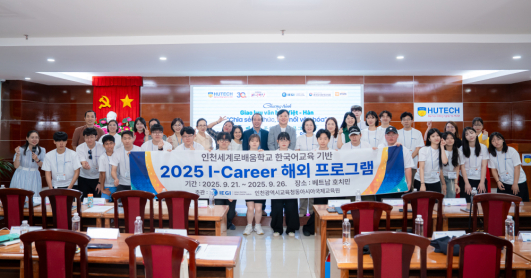
HUTECH and Incheon students engage in Vietnam-Korea cultural exchange
On September 25, a group of students from Incheon (Korea), together with representatives from the Incheon Department of Education, joined the...
HUTECH and Korea Cyber University conclude educational exchange program
On September 23, the Faculty of Korean Studies at Ho Chi Minh City University of Technology (HUTECH) held a closing ceremony for the study tour and...