


International Forum at HUTECH equips young global leaders with collaborative leadership skills
- 19/05/2026
As the world faces increasingly complex environmental, social, technological, and cultural challenges, the ability to collaborate, engage in dialogue, and resolve conflicts has become an essential skill set for young people in the era of globalization.
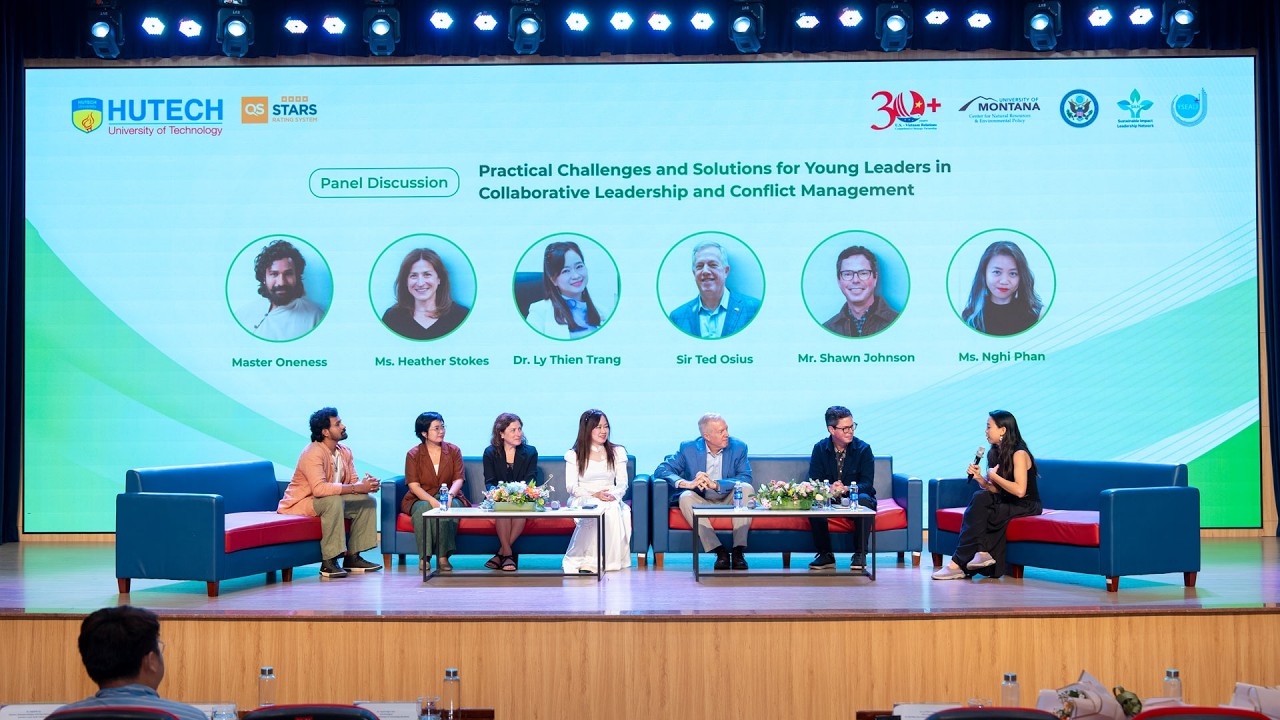
With the goal of enhancing students’ leadership mindset and international engagement capabilities, the Department of International Relations and Project Management at Ho Chi Minh City University of Technology (HUTECH) organized the international forum titled “Collaborative Leadership and Conflict Resolution Skills for Young Leaders Toward Global Sustainable Development” on May 15.
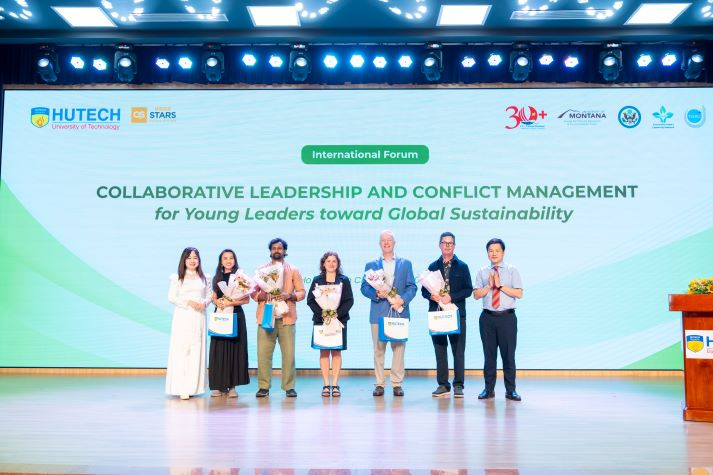
University representatives presented flowers and appreciation gifts to the guest speakers
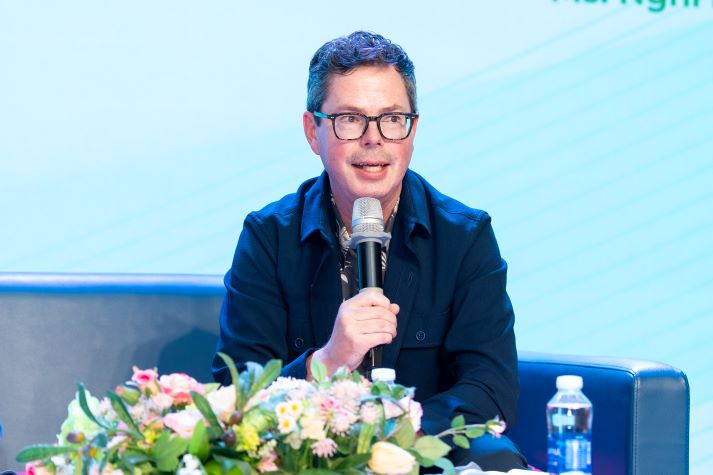
Opening the seminar, Mr. Shawn Johnson, Director of the Center for Environmental Policy and Natural Resources at the University of Montana (USA), emphasized that today’s global challenges cannot be solved by individuals alone, but require interdisciplinary collaboration, meaningful dialogue, and a shared commitment to collective action. He also introduced the “Four Foundations of Collaborative Leadership,” including compassion, character, courage, and commitment. According to him, these values play a vital role in building trust and promoting more sustainable solutions for communities.
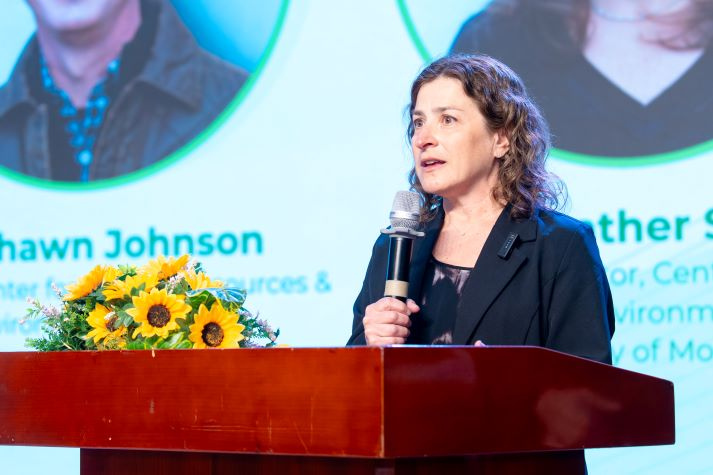
Through a case study on water resource management in Montana, Ms. Heather Stokes, Executive Director of the Center for Environmental Policy and Natural Resources at the University of Montana (USA), demonstrated how creating spaces for individuals to share perspectives and personal experiences can foster understanding and improve conflict resolution. She noted that listening and respecting the needs of all stakeholders are essential foundations for building cooperation in diverse environments.
 |
 |
 |
 |
 |
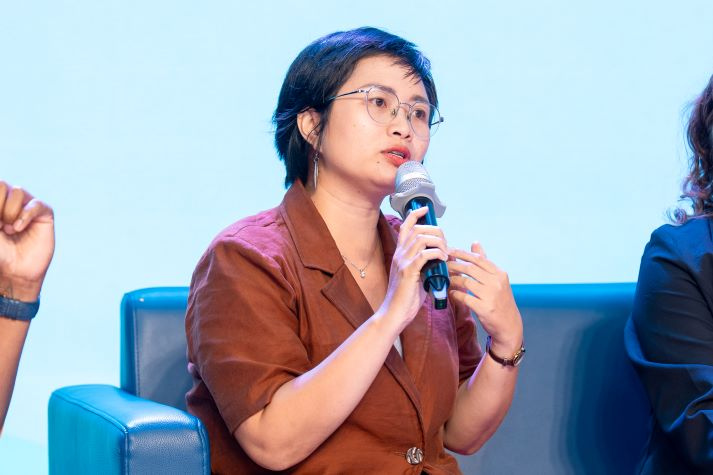 |
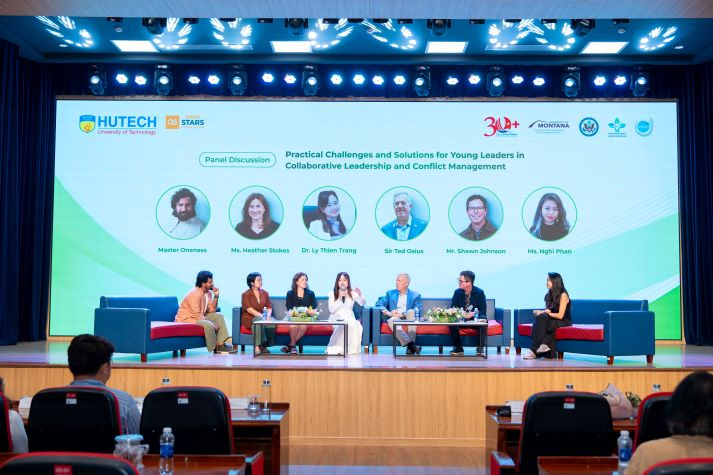
Speakers shared valuable insights during the seminar
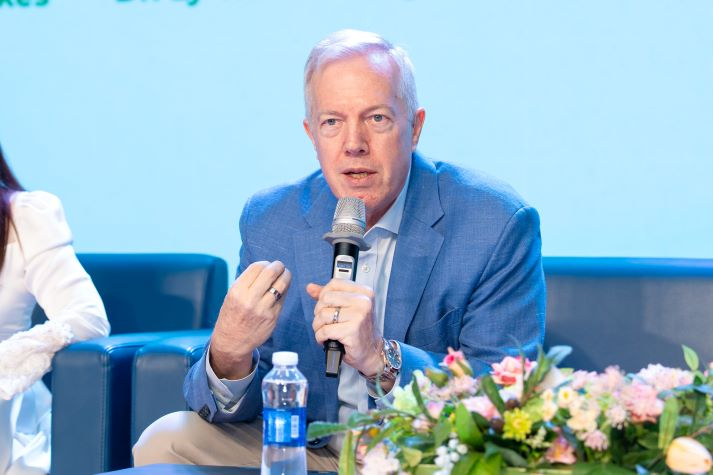
Mr. Ted Osius, former United States Ambassador to Vietnam, former President and CEO of the US-ASEAN Business Council, and Chairman of TCLTBO Vietnam, brought practical perspectives on collaborative leadership in international relations. Through diplomatic stories involving India and Vietnam, he highlighted the distinction between authoritarian leadership and leadership built on trust and partnership. According to him, sustainable relationships cannot be formed through power or pressure, but through honesty, mutual respect, and genuine human connection.
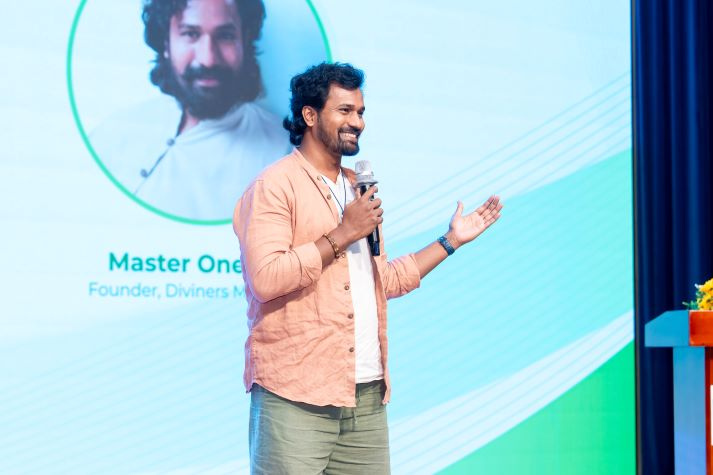
Meanwhile, Master Oneness, Founder of the Diviners Movement, introduced the concept of “conscious leadership,” emphasizing that true leaders should lead through connection, compassion, and authentic presence. He shared that collaboration and empathy should be nurtured through deeper connections with oneself, nature, and surrounding communities in order to create peace and sustainability throughout the leadership journey.
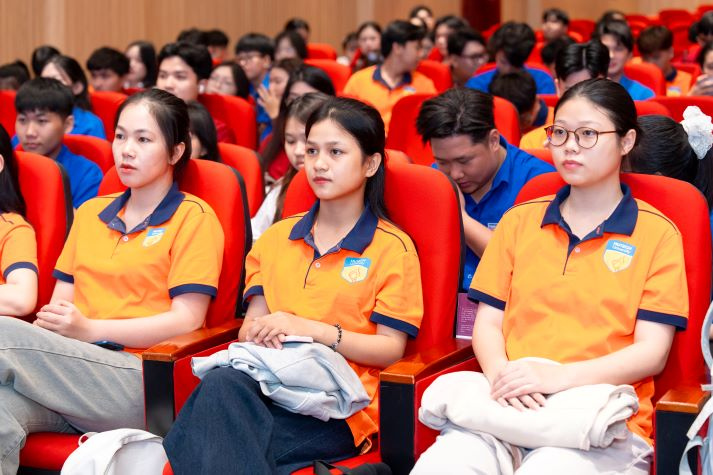
Students attentively listened to the insightful discussions
During the interactive session, speakers continued discussing ways to strengthen collaboration within teams and resolve conflicts in high pressure environments. Many opinions highlighted respect and trust as essential foundations for overcoming conflict. Instead of avoiding differences or reacting negatively, leaders should learn to listen to diverse perspectives and create safe spaces for dialogue in pursuit of shared goals.
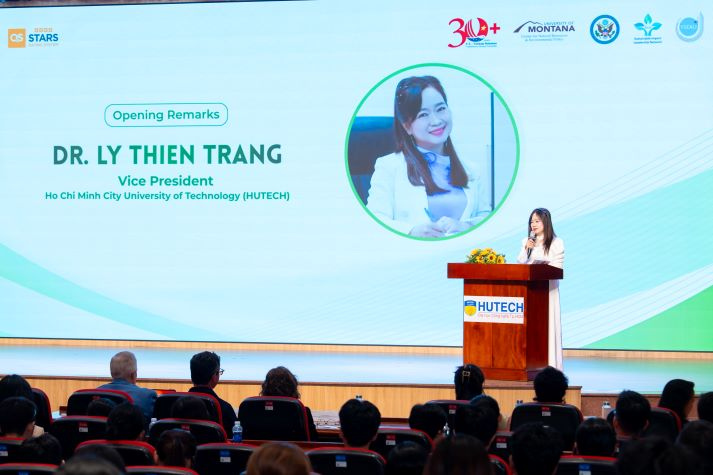
Dr. Ly Thien Trang delivered remarks at the seminar
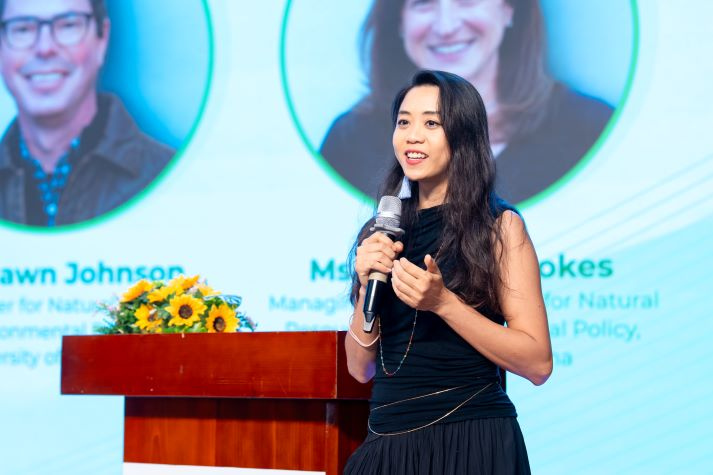
“We are living in an era where global challenges require not only knowledge and technical skills, but also empathy, collaboration, and multicultural thinking. I hope this forum will inspire students to strengthen their leadership mindset, broaden their global perspectives, and become active contributors to a more sustainable and inclusive future,” shared Dr. Ly Thien Trang, Vice President of the University.
News: Mỹ Lam
Photo: Công Định
Communication Center
Other news
HUTECH releases 2025 Sustainability Report
Ho Chi Minh City University of Technology (HUTECH) has officially released its 2025 Sustainability Report, offering a comprehensive overview of the...
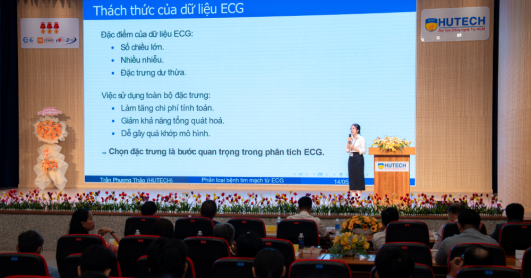
Hundreds of multidisciplinary research projects presented at HUTECH Conference for Young Scientists on Sustainable Development Goals 2026
Amid the rapid rise of digital technology and artificial intelligence, which are reshaping numerous industries, scientific research is increasingly...
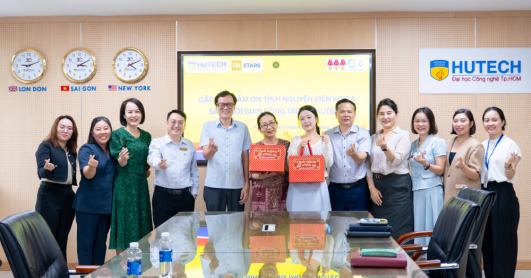
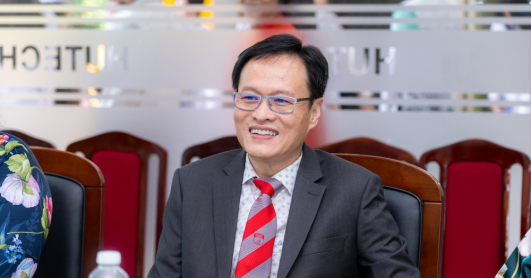
HUTECH leader appointed Distinguished Professor at Open University Malaysia
On May 11, Assoc. Prof. Dr. Bui Xuan Lam, Vice Chairman of the University Board of Directors of Ho Chi Minh City University of Technology (HUTECH),...
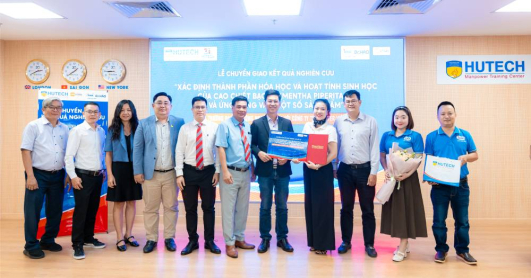
Institute of Applied Sciences unlocks application potential from peppermint
From a familiar herb commonly found in daily life, peppermint is opening up promising application potential in the healthcare sector thanks to its...
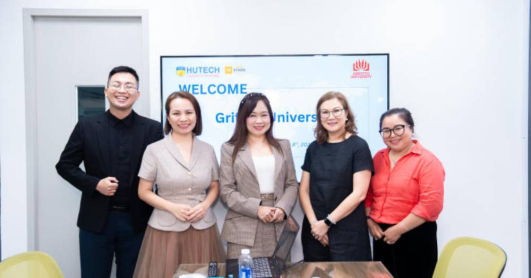
HUTECH meets with Griffith University to expand future cooperation in education and research
As the distance between universities around the world continues to narrow, international academic partnerships have increasingly become a measure...