


An Giang Cultural Village of Four Ethnic Groups: A Tourism Solution from a Scientific Project by HUTECH’s Faculty of Tourism and Hospitality Management
- 03/07/2025
On June 26, the provincial-level project titled “Research and Proposal for the Development of a Cultural Village of Four Ethnic Groups: Kinh, Hoa, Cham, Khmer for Tourism Purposes” was officially reviewed in An Giang. The project was led by the Institute of High Technology at Ho Chi Minh City University of Technology (HUTECH).
The project was headed by Assoc. Prof. Dr. Nguyen Quyet Thang, Dean of the Faculty of Tourism and Hospitality Management and Vice President of the Vietnam Tourism Education Association, with the support of Dr. Nguyen Thi Thu Hoa, Vice Dean, serving as project secretary. The project received a rating of "Excellent" at the review, recognizing the team's thorough, practical, and promising research efforts.
The project was headed by Assoc. Prof. Dr. Nguyen Quyet Thang, Dean of the Faculty of Tourism and Hospitality Management and Vice President of the Vietnam Tourism Education Association, with the support of Dr. Nguyen Thi Thu Hoa, Vice Dean, serving as project secretary. The project received a rating of "Excellent" at the review, recognizing the team's thorough, practical, and promising research efforts.
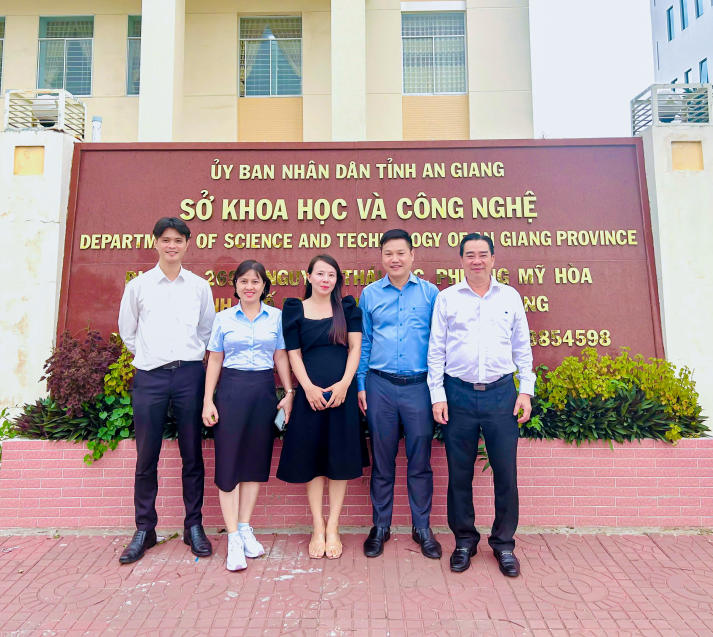
The project was led by Assoc. Prof. Dr. Nguyen Quyet Thang, with the support of Dr. Nguyen Thi Thu Hoa
At the review session, Assoc. Prof. Dr. Nguyen Quyet Thang presented a comprehensive overview of the nearly three-year research process, conducted from August 2022 to July 2024. With the overarching goal of preserving and promoting traditional cultural values linked to tourism development, the research team assessed the current conditions, identified potential, and proposed a cultural village model for the Kinh, Hoa, Cham, and Khmer ethnic groups in An Giang. This is considered a strategic solution to transform indigenous values into distinctive tourism products, contributing to building An Giang’s cultural tourism brand.
Assoc. Prof. Dr. Nguyen Quyet Thang emphasized: “To effectively promote tourism in An Giang, we need more practical and impactful solutions, especially those that leverage the cultural values of the four ethnic groups to serve tourism. This not only contributes to tourism development but also promotes the image of An Giang’s people and land, thereby enhancing the national brand and fostering economic, political, diplomatic, and cultural exchange.”
Assoc. Prof. Dr. Nguyen Quyet Thang emphasized: “To effectively promote tourism in An Giang, we need more practical and impactful solutions, especially those that leverage the cultural values of the four ethnic groups to serve tourism. This not only contributes to tourism development but also promotes the image of An Giang’s people and land, thereby enhancing the national brand and fostering economic, political, diplomatic, and cultural exchange.”


A representative of the research team presents the project findings
Based on field surveys, the research team proposed several cultural village models, ranging from a "mini cultural museum" to community village models or hybrid models linking different ethnic groups in suitable areas. A highlight is the plan to develop the Cham village of Chau Phong (Tan Chau) into a cultural and spiritual tourism hub featuring stilt houses, mosques, traditional weaving, and local cuisine, connected to the An Phu floating village to create a unique experience chain. In addition, the Khmer village in Tri Ton with its ancient temples and festivals, the Hoa–Kinh village in Chau Doc, and the Kinh village in the Nui Sam – Long Xuyen area are also proposed to be developed into distinctive cultural village clusters that are easy to integrate into tour routes.
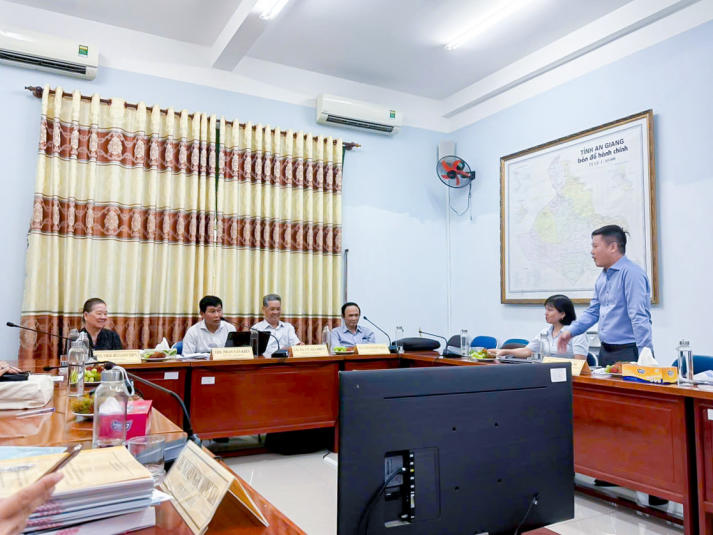
Dr. Huynh Ngoc Anh, Vice President of HUTECH, delivers remarks at the project presentation
According to the research team, by the time of the final review, the project had produced ten deliverables, including two international journal articles, one monograph, and one policy proposal. Notably, several businesses such as Vietnam TravelMart, Cat Linh Group, and Song Ngu Son JSC have committed to applying the research results to jointly implement cultural village models for future tourism development.
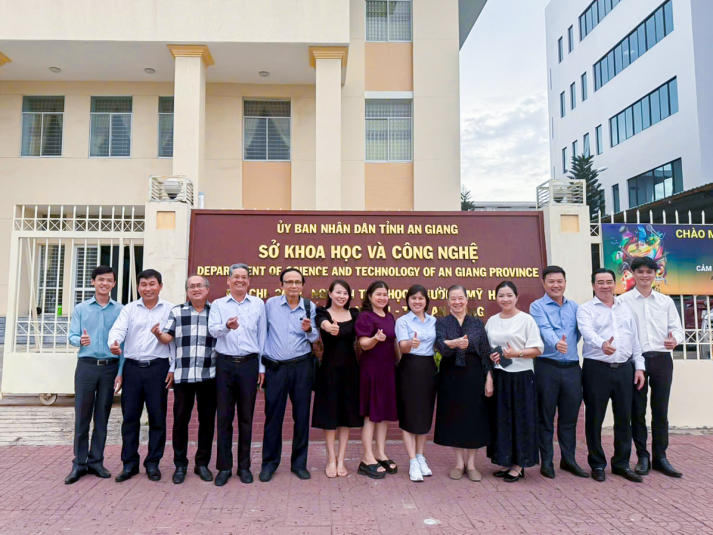
The project’s success reflects strong collaboration between academia and industry
The success of the project lies not only in its "Excellent" rating but also in its demonstration of the effective connection between science and practice, highlighting the collaboration among academia, researchers, and businesses in enriching An Giang’s tourism identity through the traditional values of local communities.
News: Bảo Thư
Photo: Faculty of Tourism and Hospitality Management
Communication Center
Other news
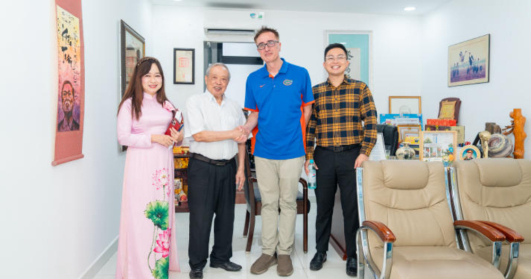
HUTECH welcomes U.S. scholar to advance teaching, research, and international learning experiences
As part of the Fulbright U.S. Scholar Program for the 2026-2027 academic year, Ho Chi Minh City University of Technology (HUTECH) welcomed Prof....
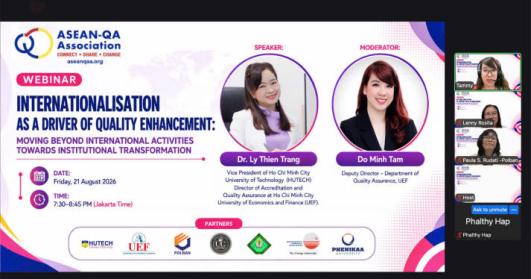
Dr. Ly Thien Trang proposes a new direction for university internationalization, expanding cooperation and driving quality transformation
Internationalization is increasingly being viewed in connection with the need to enhance the quality of higher education. At an international...
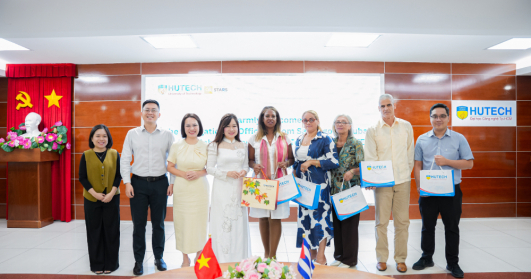
HUTECH meets with leaders of Santiago de Cuba Province to expand educational connections in Latin America
On September 9, Ho Chi Minh City University of Technology (HUTECH) held a meeting with a delegation of leaders from Santiago de Cuba Province,...
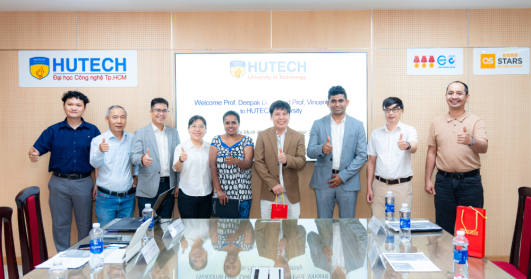
HUTECH and Queensland University of Technology (Australia) explore research collaboration in materials and sustainable energy
Building on shared research interests, Ho Chi Minh City University of Technology (HUTECH) and Queensland University of Technology (QUT), Australia,...

HUTECH establishes the Faculty of Aesthetics and Life Sciences, strengthening connections with the Health Sciences
Renamed from the Institute of Applied Sciences and becoming an academic unit under the HUTECH School of Medicine and Health Sciences, the Faculty...
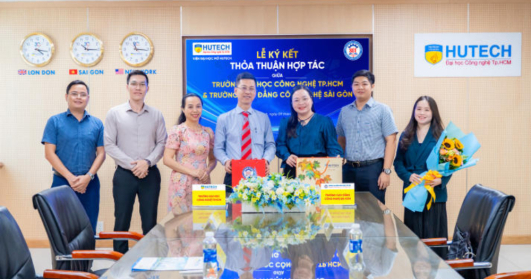
HUTECH signs MoU with Saigon College of Technology, expanding development opportunities for learners
On September 9, Ho Chi Minh City University of Technology (HUTECH) and Saigon College of Technology signed a Memorandum of Understanding (MoU) on...