


ISVS-14 at HUTECH: Exploring Vernacular Heritage, Culture, and Design Engagement
- 18/12/2025
Amid rapid globalization and urbanization, studies on vernacular heritage are increasingly demonstrating their essential role as a knowledge foundation for sustainable design.
Many studies on this design trend were presented and discussed at the ISVS-14 – the International Seminar on Vernacular, under the theme “Understanding Heritage, Vernacular Architecture, and Engaging in Design.” The seminar took place on December 18 at Ho Chi Minh City University of Technology (HUTECH).
The seminar brought together 112 extended abstracts by authors from seven countries and territories, representing 25 universities and research institutes in Vietnam, creating a vibrant academic forum centered on the relationship between vernacular heritage, local contexts, and contemporary design practices.
Many studies on this design trend were presented and discussed at the ISVS-14 – the International Seminar on Vernacular, under the theme “Understanding Heritage, Vernacular Architecture, and Engaging in Design.” The seminar took place on December 18 at Ho Chi Minh City University of Technology (HUTECH).
The seminar brought together 112 extended abstracts by authors from seven countries and territories, representing 25 universities and research institutes in Vietnam, creating a vibrant academic forum centered on the relationship between vernacular heritage, local contexts, and contemporary design practices.
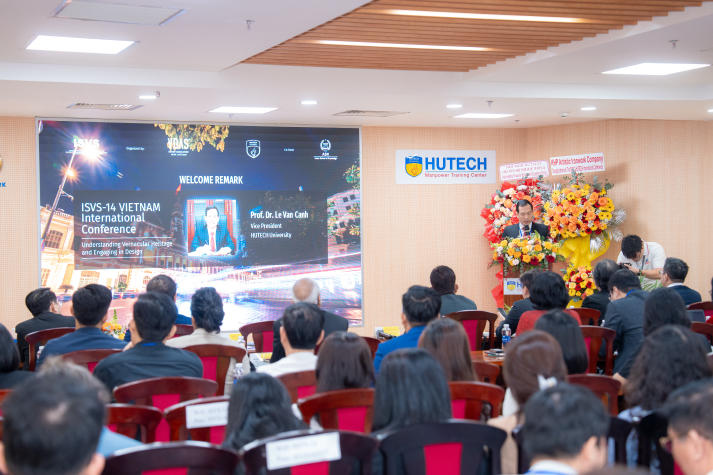

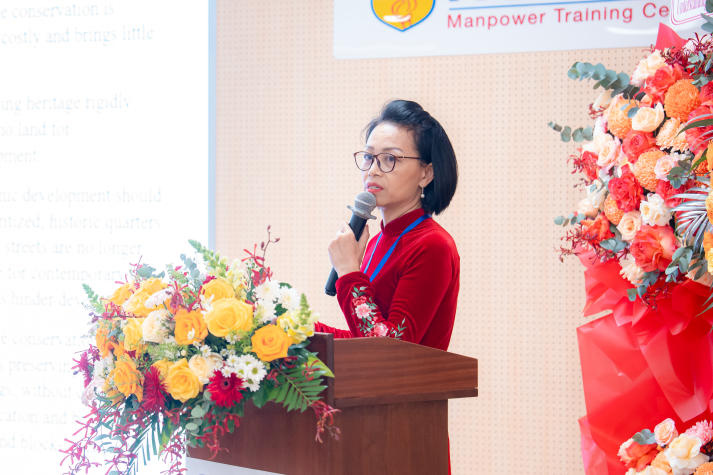
Prof. Dr. Le Van Canh, Vice President of HUTECH, emphasized the University’s commitment to accompanying the professional community in its academic development
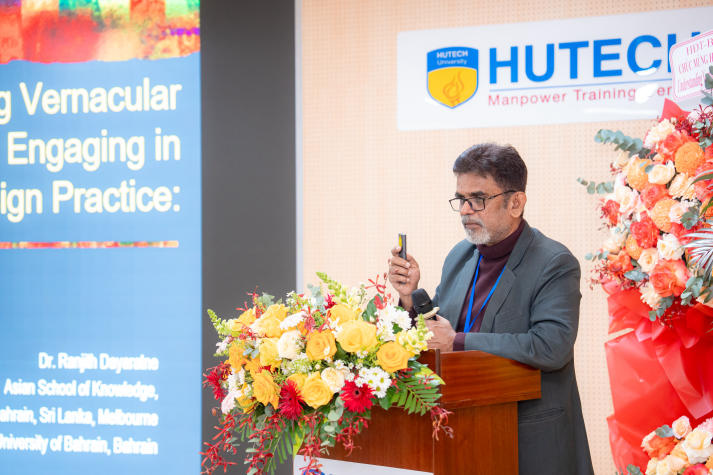
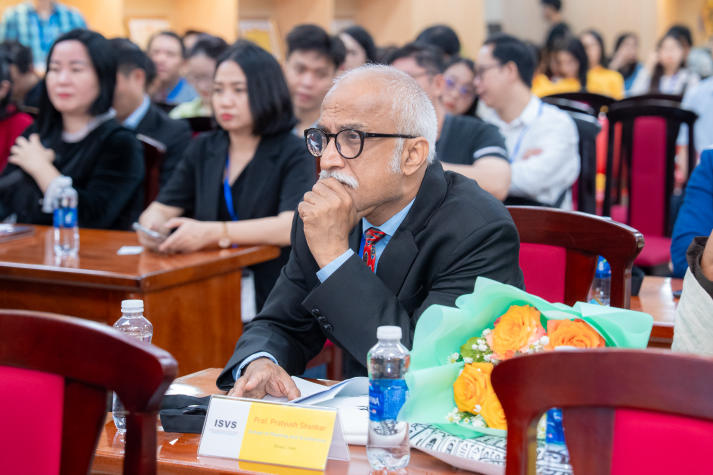
During the plenary session, keynote presentations laid the theoretical foundation for the entire program. The paper “Understanding Vernacular Heritage and Engaging in Design Practice” by Prof. Ranjith Dayaratne from the Asian School of Knowledge (ASK), Australia, emphasized that vernacular heritage should be understood as a living knowledge system, where architecture is not merely a physical product but the outcome of social, cultural, and ecological relationships. According to him, “engaging in design” is not simply about reproducing traditional forms, but rather an ongoing dialogue between heritage and contemporary contexts, aimed at creating design solutions that are both relevant to the present and respectful of cultural depth.
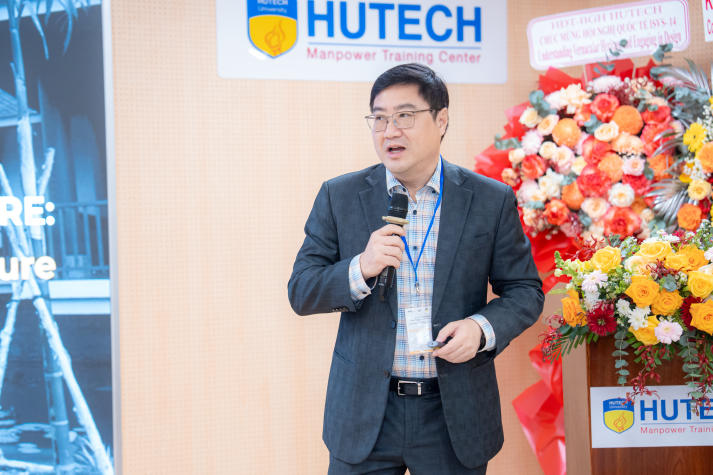
From a professional practice perspective, the presentation “Architecture, Craft and Local Knowledge: Learning from Vernacular Practices” by Mr. Nripal Adhikary, Founder of ABARI (Nepal), shared hands-on experience in integrating local materials, craft techniques, and contemporary design thinking. He highlighted the architect’s role as a connector between traditional knowledge and modern needs, in which heritage is not “museumized” but continues to live and evolve through design practice.
 |
 |
 |
 |
 |
 |
 |
 |
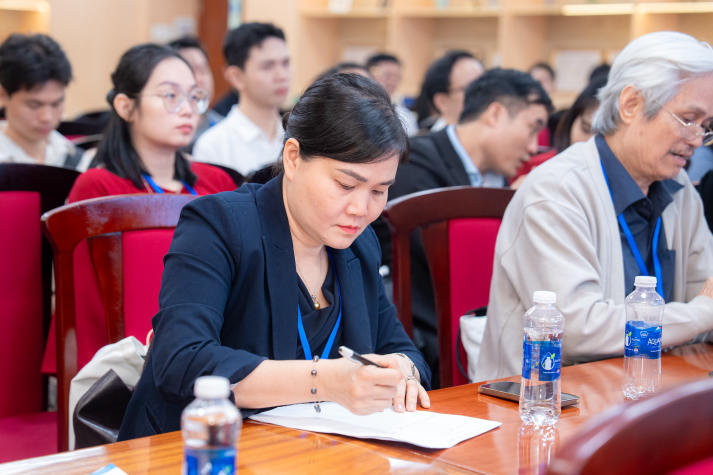
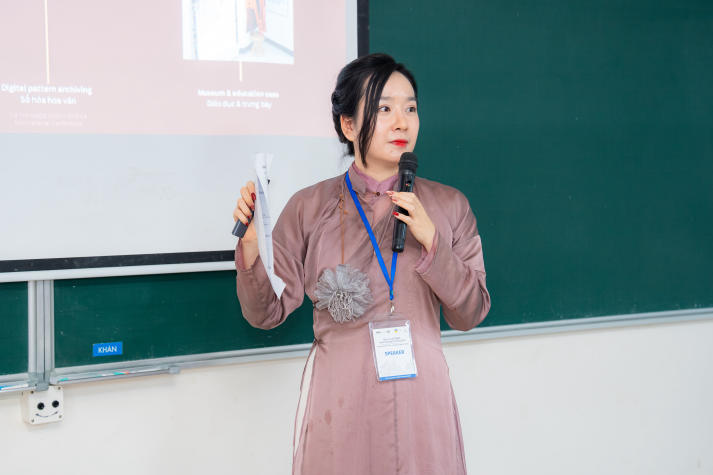
Following the plenary session, the parallel sessions expanded the academic forum with a wide range of in-depth themes, reflecting the diversity of research in heritage and design. Presentations addressed vernacular architecture and climate adaptation, the preservation of urban memory amid modernization, cultural landscapes and sacred spaces, traditional arts and crafts in contemporary design, as well as the application of digital technologies in documenting and reinterpreting heritage. The organization of multiple parallel sessions allowed scholars to engage more deeply with specific case studies while fostering interdisciplinary academic exchange among architecture, design, art, and cultural studies.
 |
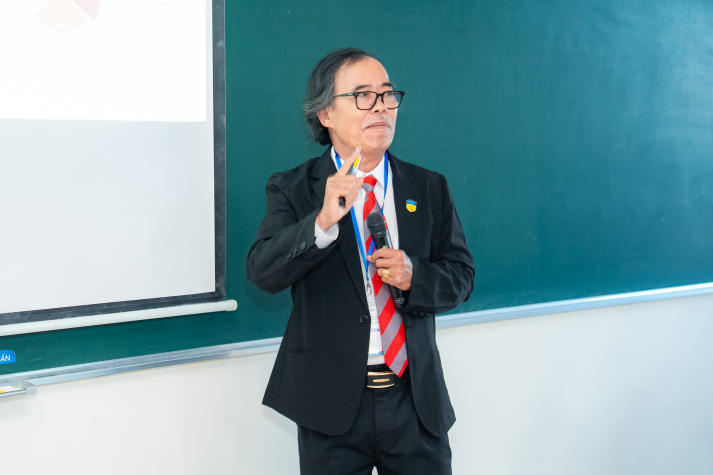 |

After the plenary session, the parallel sessions further broadened the academic dialogue through specialized topics
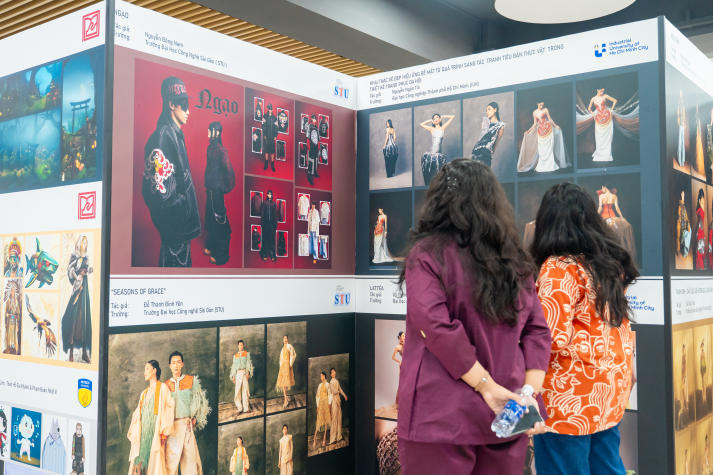
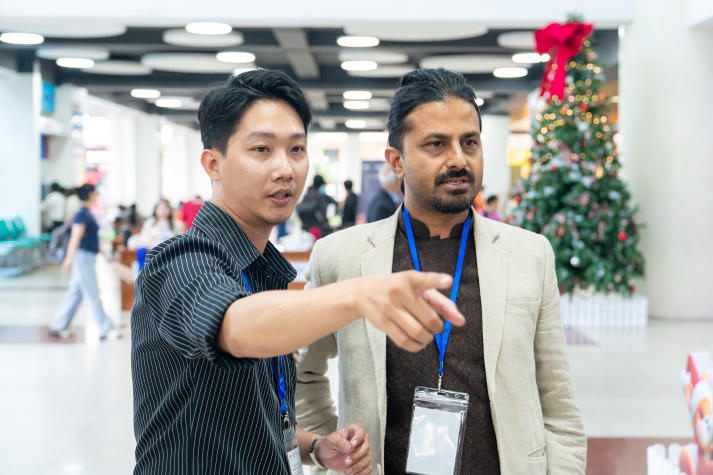
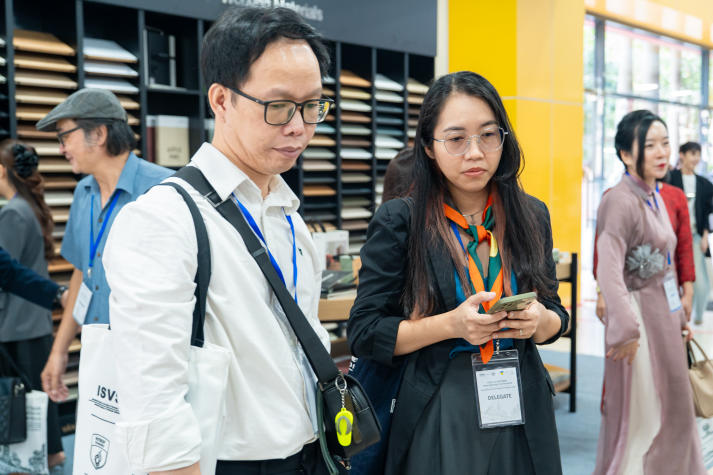
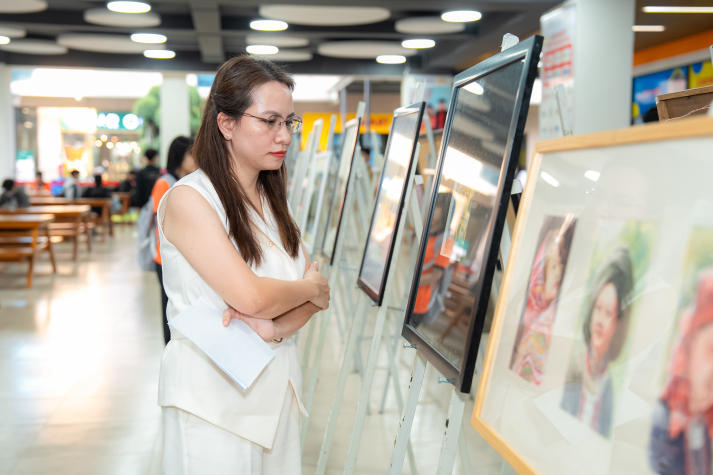
A highly practice-oriented highlight of ISVS-14 was the poster exhibition and student design projects, featuring 36 selected works displayed throughout the seminar. The projects were organized into six thematic groups: Fashion, Architecture, Interior Design, Product Design, Graphic Design, and Cultural Heritage & Vernacular Architecture. Beyond illustrating concepts, the posters demonstrated serious investment in research and scientific methodology, translating vernacular materials, spatial structures, and cultural narratives into contemporary design language associated with sustainability, urban identity, and user experience.
 |
 |
 |
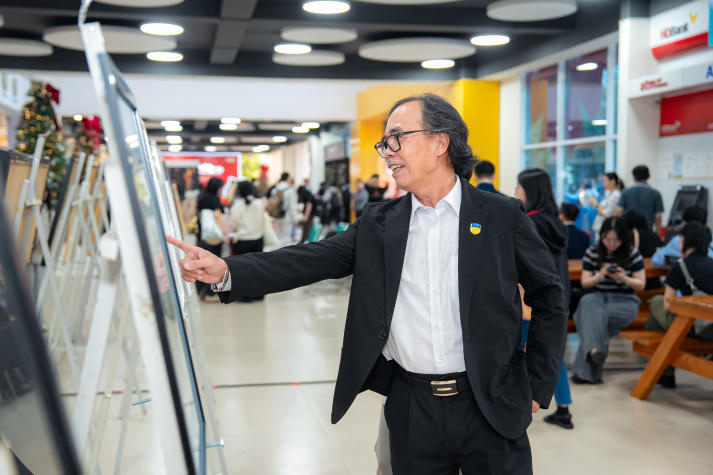 |
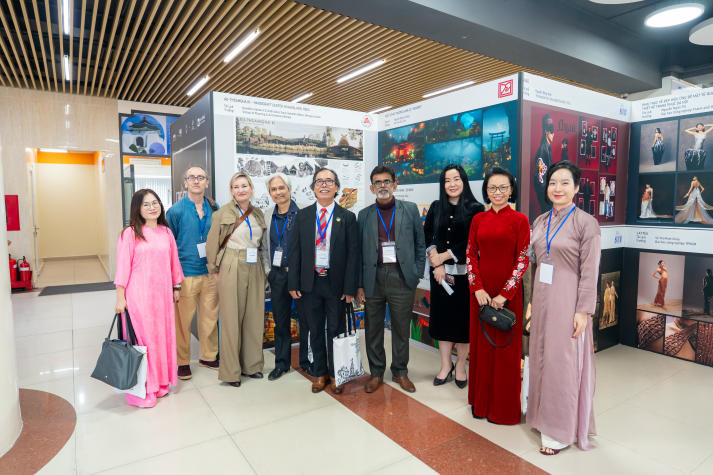
The poster exhibition and student projects featured 36 selected works displayed throughout the seminar
The poster exhibition award ceremony concluded the seminar with five awards, recognizing projects that demonstrated depth of research, creative thinking, and strong connections between heritage and modern design practice.
|
Award
|
Author
|
Project
|
Institution
|
|
Second Prize
|
Cao Chánh Nghị
|
Quang Tri War Remnants Museum
|
HUTECH
|
|
Nguyễn Mạnh Cường
|
3D Game Environment Design - “KOKORO
|
Duy Tan University
|
|
|
Third Prize
|
Hồ Phước Thiên
|
Interior Design of the Vietnamese Heroic Mothers Museum
|
Ton Duc Thang University
|
|
Ngô Thị Phương Thảo
|
Game Artbook Design: ECHORA
|
Duy Tan University
|
|
|
Trần Thị Hồng Hạnh
|
Tịnh Liên
|
Ton Duc Thang University
|
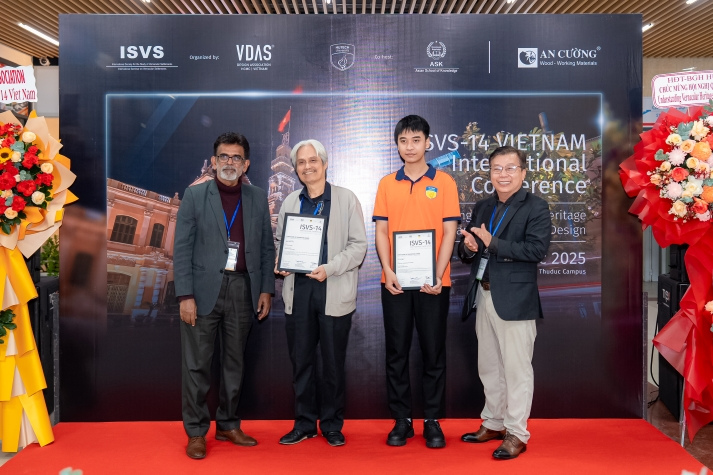
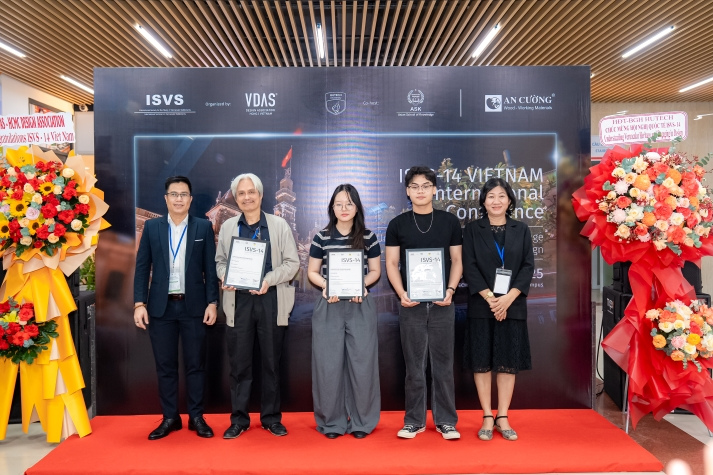
The awards were presented to their deserving recipients
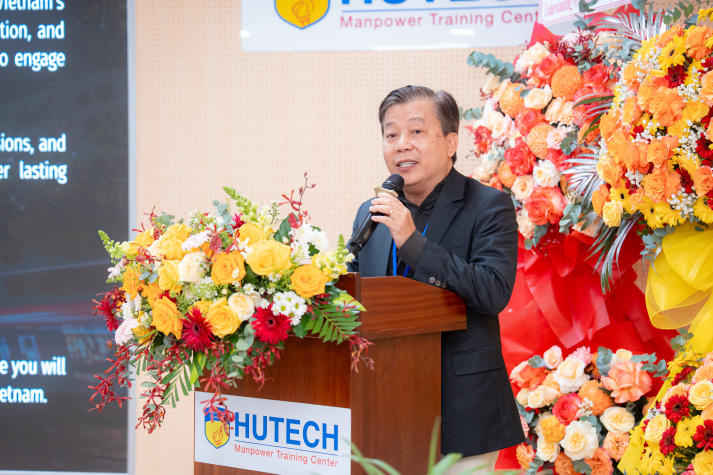
Mr. Ho Tan Duong highlighted the role of ISVS-14 in contemporary design trends
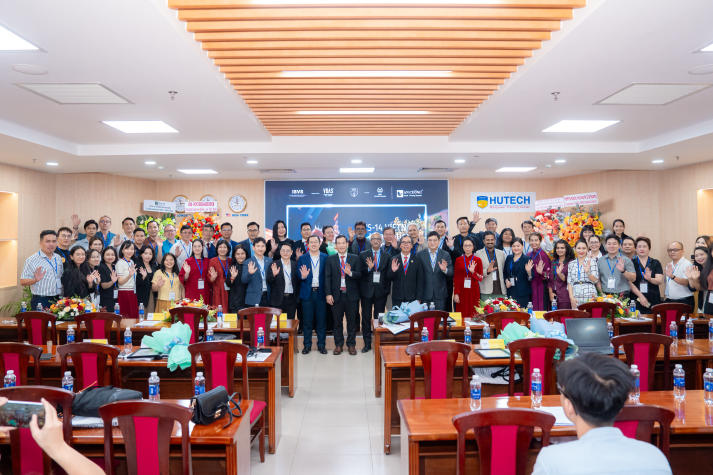
The seminar contributed to spreading new architectural approaches that connect vernacular culture with sustainable development
In his remarks at the seminar, Mr. Ho Tan Duong, President of the Ho Chi Minh City Design Association (VDAS), emphasized: “Hosting ISVS-14 in Vietnam marks an important step in strengthening our engagement with the global academic community and creating opportunities for Vietnamese scholars to exchange ideas with international experts. I hope that ISVS-14 will leave behind lasting professional connections, inspiring exchanges, and positive impressions of Vietnam as a welcoming host with a strong cultural heritage.”
News: Bảo Thư
Photo: Công Định
Communication Center
News: Bảo Thư
Photo: Công Định
Communication Center
Other news
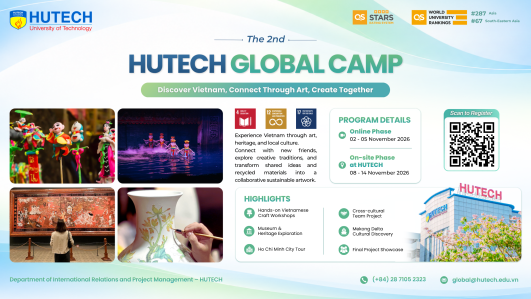
[Call for Participation] The 2nd HUTECH Global Camp
Ho Chi Minh City University of Technology (HUTECH) is pleased to announce the opening of applications for The 2nd HUTECH Global Camp, themed...
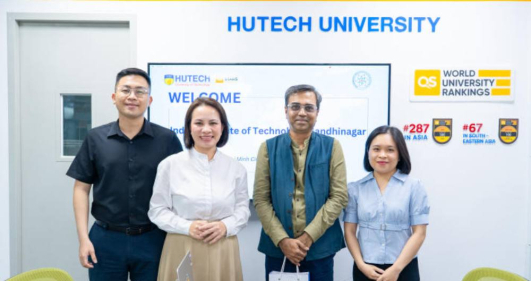
HUTECH connects with IIT Gandhinagar (India) in Media and Design Education
With the aim of strengthening international connections in media and design education, Ho Chi Minh City University of Technology (HUTECH) held an...
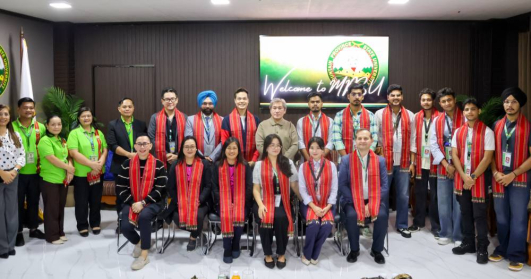
HUTECH lecturer expands international academic connections in the Philippines
From September 14 to 26, Mr. Tran Phuong Hai, Assistant Head of the Finance and Banking Program at the Faculty of Finance and Commerce, Ho Chi Minh...
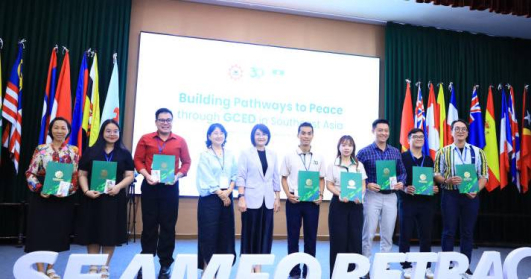
HUTECH representative gains international insights into global citizenship education
From September 8 to 10, Mr. Vo Quoc Dai, Vice Dean of the Faculty of English Language at Ho Chi Minh City University of Technology (HUTECH),...
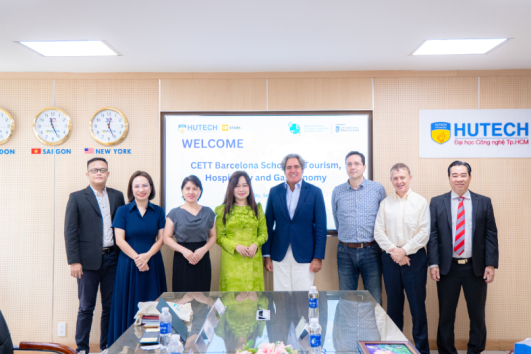
HUTECH and CETT connect strengths in service-related fields
The meeting between Ho Chi Minh City University of Technology (HUTECH) and CETT Barcelona School of Tourism, Hospitality and Gastronomy on...
HUTECH welcomes U.S. scholar to advance teaching, research, and international learning experiences
As part of the Fulbright U.S. Scholar Program for the 2026-2027 academic year, Ho Chi Minh City University of Technology (HUTECH) welcomed Prof....