


HUTECH equips faculty and staff with collaborative leadership skills for sustainable development
- 22/05/2026
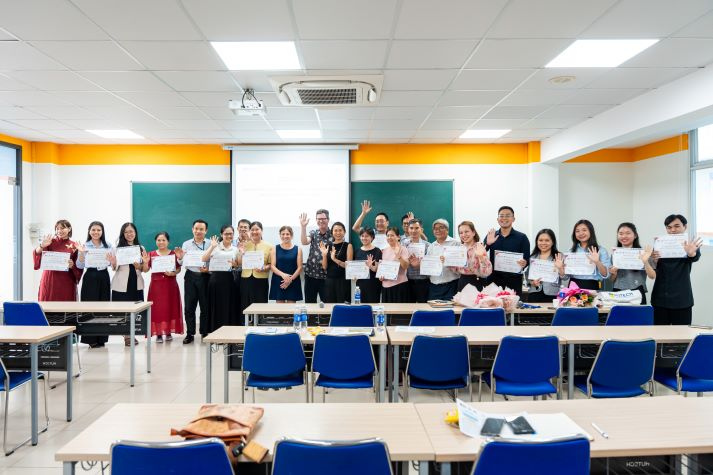
From understanding the nature of conflict to developing collaborative leadership mindsets, the Workshop on Collaborative Leadership and Conflict Resolution Towards Sustainable Development provided faculty members and staff of Ho Chi Minh City University of Technology (HUTECH) with practical perspectives to enhance communication, dialogue, and workplace collaboration within the organization.
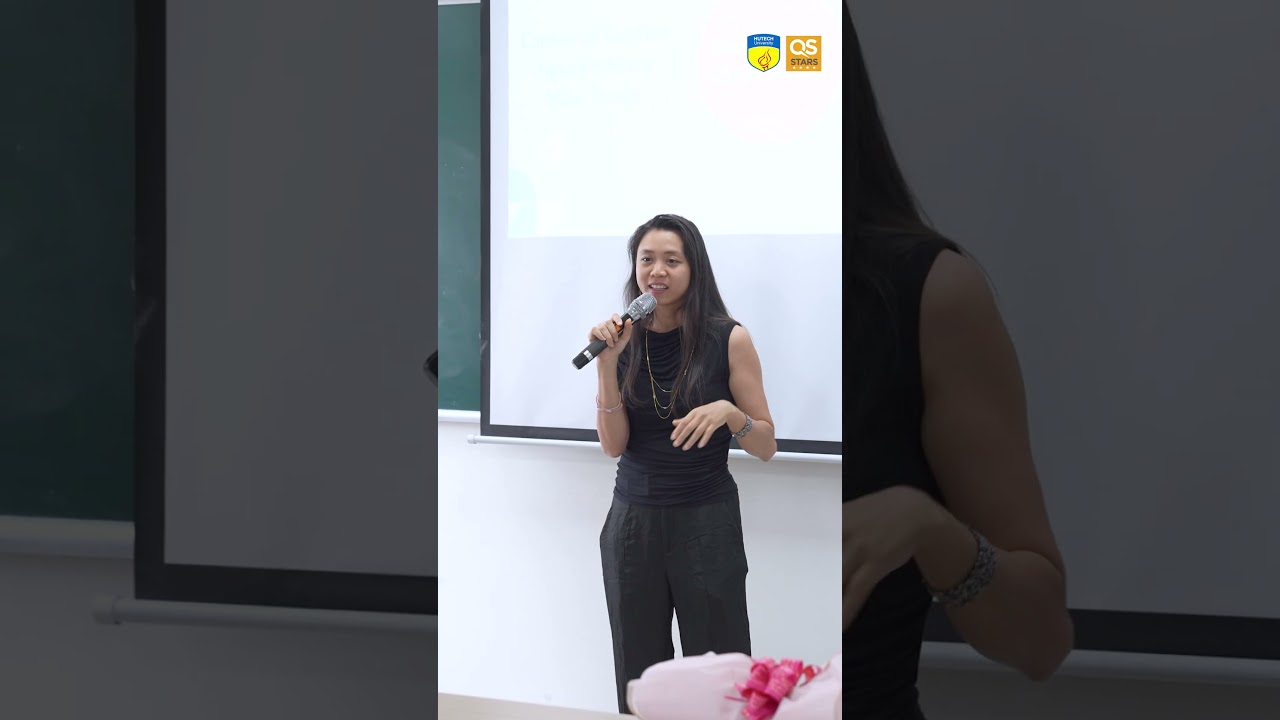
Held on May 20, the workshop was jointly organized by the Department of International Relations and Project Management in collaboration with the Sustainable Impact Leadership Network (SILN) and the Young Southeast Asian Leaders Initiative (YSEALI) under the U.S. Department of State, with the participation of a delegation of experts from University of Montana.
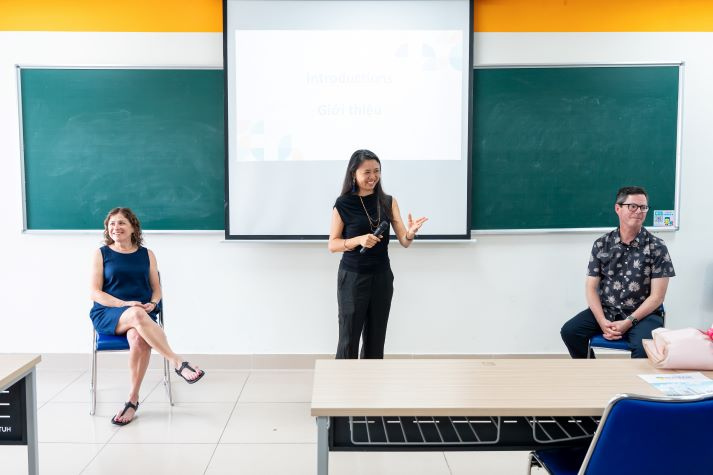
The event featured distinguished speakers including Ms. Heather Stokes, Executive Director of the Center for Environmental Policy and Natural Resources at University of Montana; Mr. Shawn Johnson, Director of the Center for Environmental Policy and Natural Resources at University of Montana; and Ms. Phan Uyen Nghi, Founder and CEO of the Sustainable Impact Leadership Network.
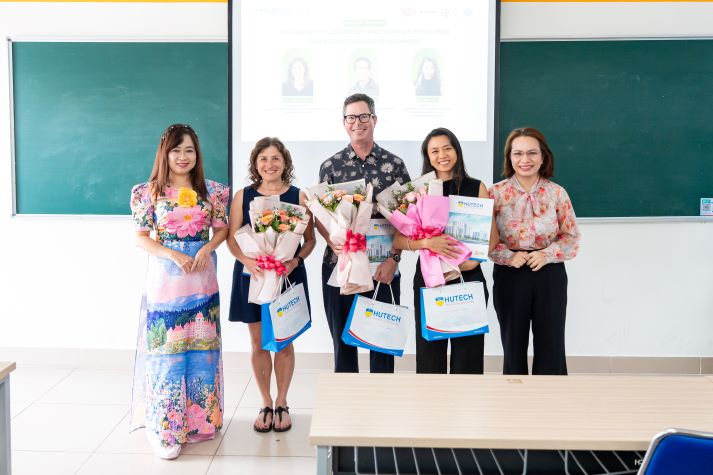
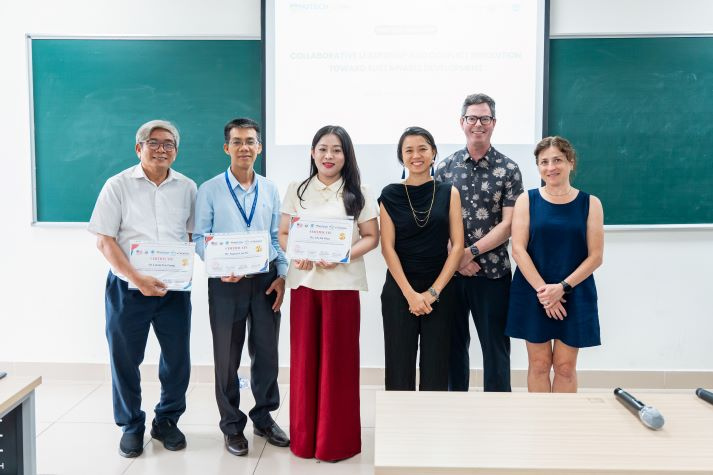
HUTECH representatives presented flowers and appreciation gifts to the speakers
Speaking at the event, Dr. Ly Thien Trang, Vice President of the University, emphasized that in today’s increasingly interconnected and rapidly changing world, collaboration has become an essential leadership competency. Conflict, she noted, is unavoidable in any organization, but when managed constructively, it can become an opportunity to foster innovation, deepen mutual understanding, and create positive transformation in the workplace.
Opening the session, Ms. Heather Stokes, Executive Director of the Center for Environmental Policy and Natural Resources at University of Montana, offered multidimensional perspectives on the nature of organizational conflict. Through the Thomas Kilmann Conflict Mode model, she introduced five common approaches to conflict response, including competing, collaborating, compromising, accommodating, and avoiding.
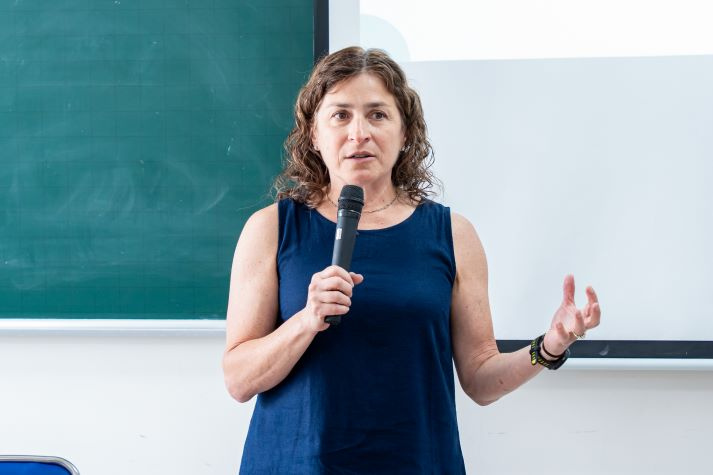
Ms. Heather Stokes provided multidimensional perspectives on the nature of organizational conflict
The speaker also analyzed various causes of conflict, including differences in needs, values, information, and organizational structures. One notable point in her presentation was the perspective that conflict is a natural part of collaborative work. In an open environment where differing viewpoints can be shared safely and respectfully, conflict can serve as a foundation for healthy debate, enabling organizations to solve problems more effectively and improve the quality of collective decision making.
Continuing the session, Mr. Shawn Johnson, Director of the Center for Environmental Policy and Natural Resources at University of Montana, focused on collaborative leadership and conflict resolution approaches toward sustainable development. Through the “Conflict Spiral” model, he illustrated how conflicts can escalate from an initial issue into opposing groups, increasingly rigid positions, communication breakdowns, and even crises if not addressed in a timely manner.
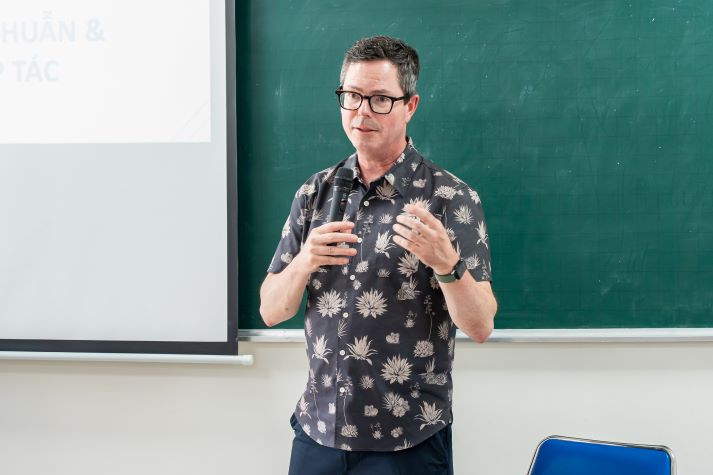
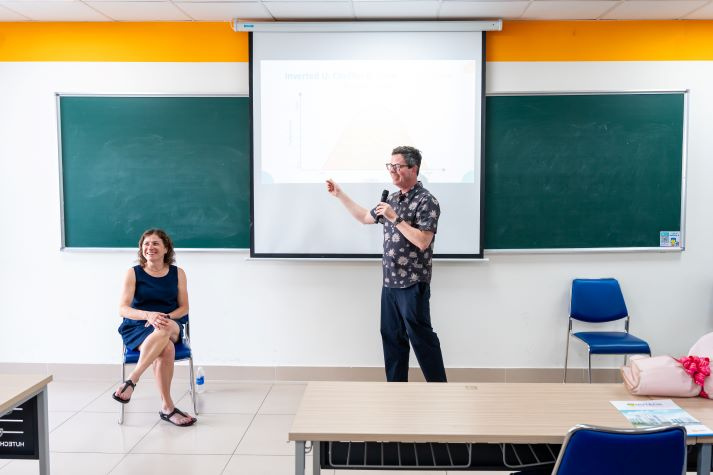
Mr. Shawn Johnson focused on collaborative leadership and conflict resolution approaches toward sustainable development
To help prevent this escalation, Mr. Shawn Johnson emphasized the role of collaborative leadership built upon four foundations: compassion, commitment, courage, and leadership character. Leaders in the context of sustainable development, he explained, need to listen to stakeholders, identify shared interests, encourage dialogue, and build trust rather than focusing solely on defending individual viewpoints. This approach helps transform conflict into opportunities for collaboration, leading to more balanced solutions between development goals, community interests, and environmental responsibility.
 |
 |
 |
 |
 |
 |
 |
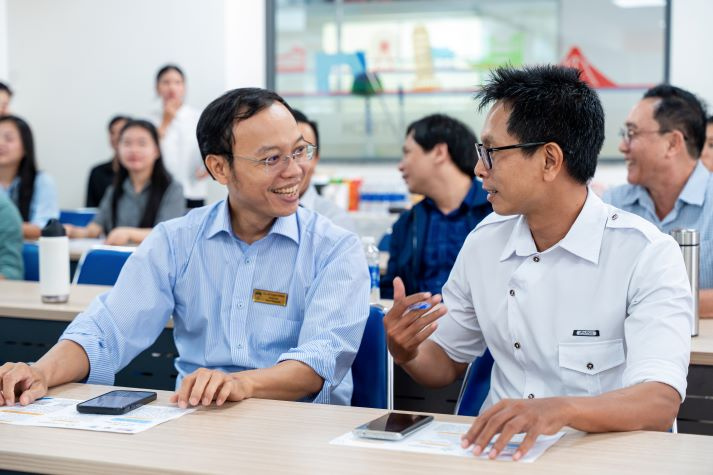 |
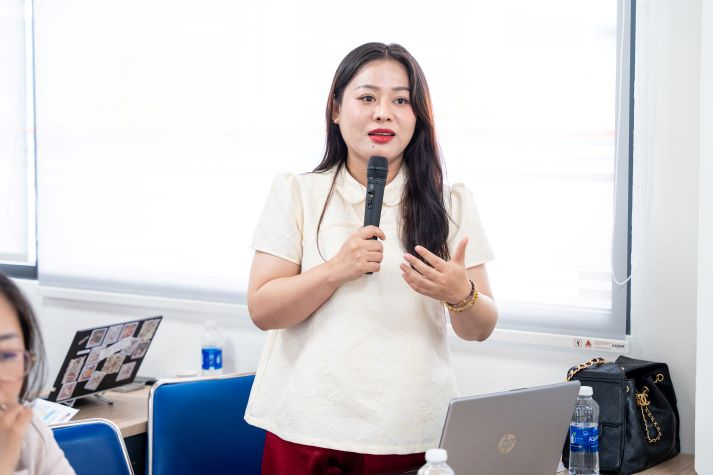
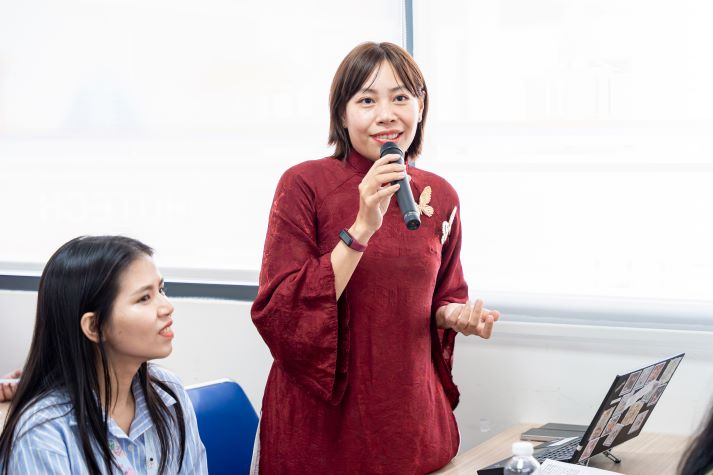
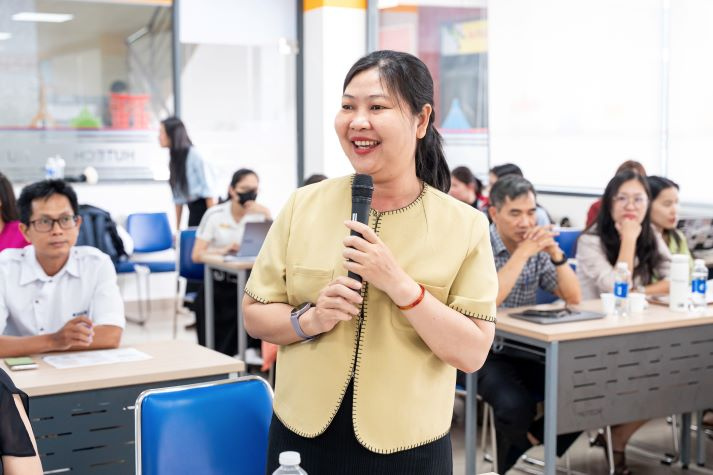
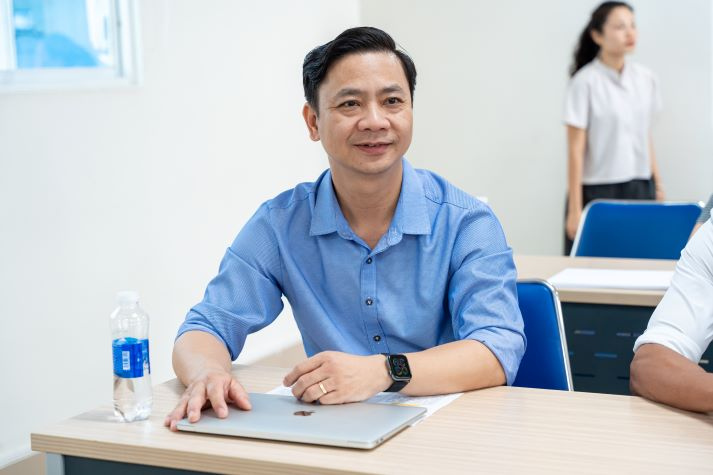
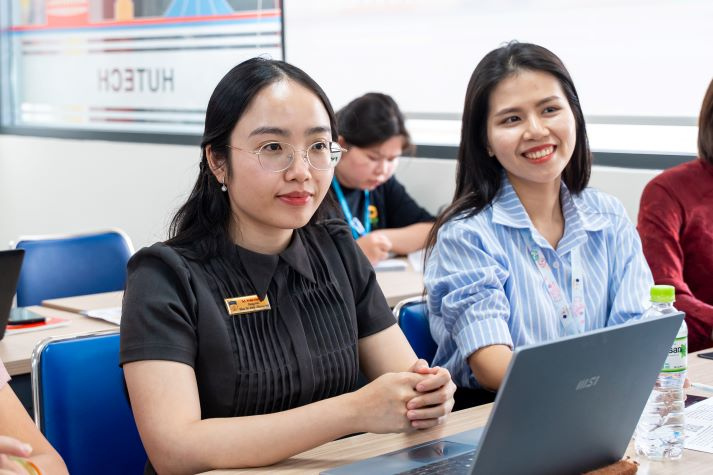
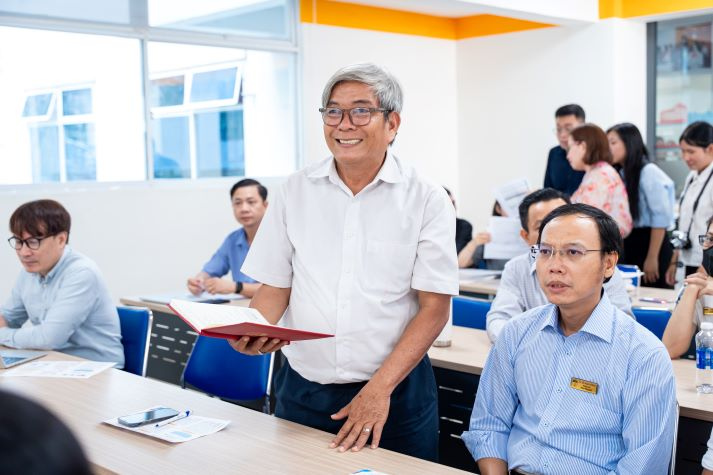
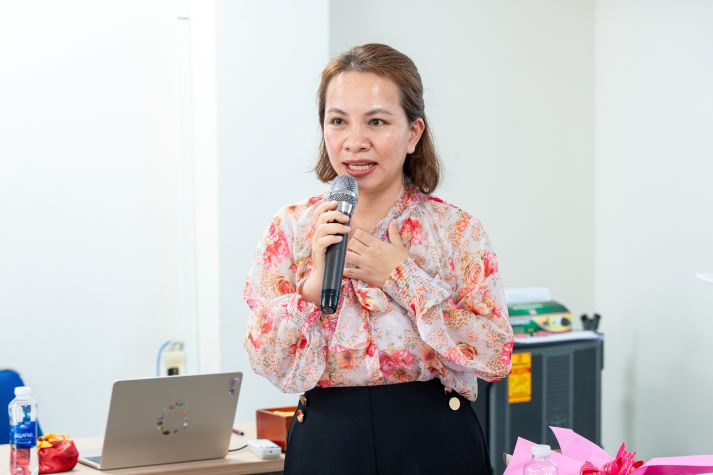
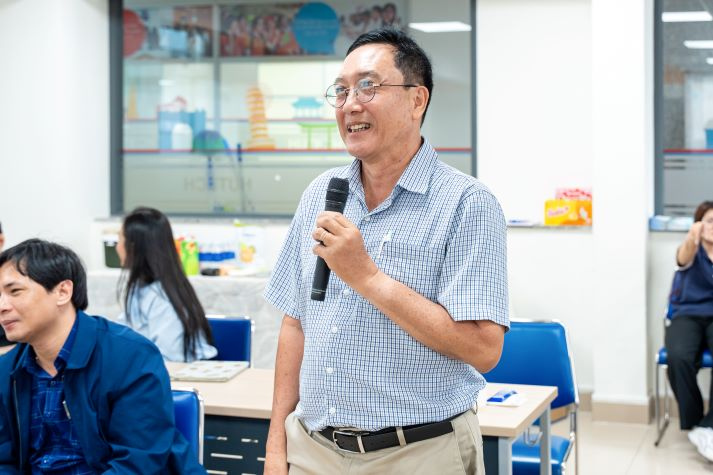
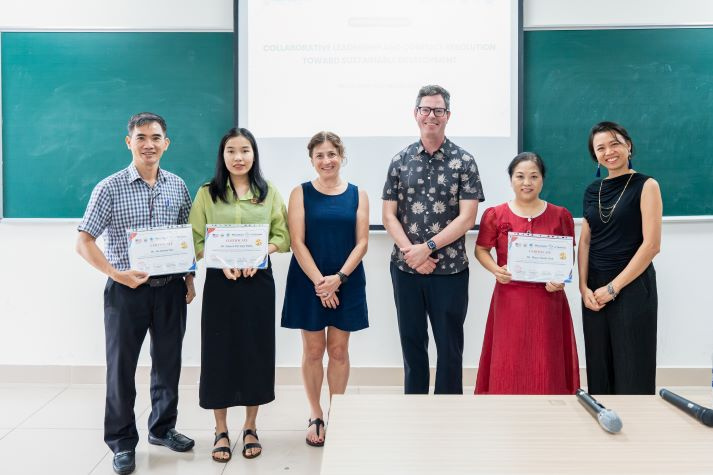
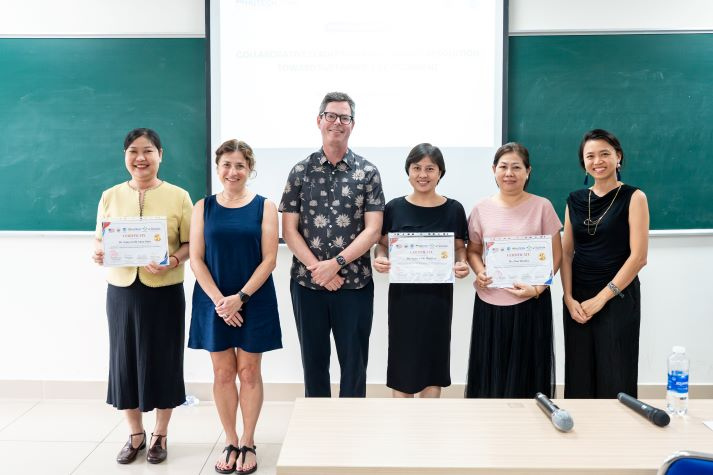
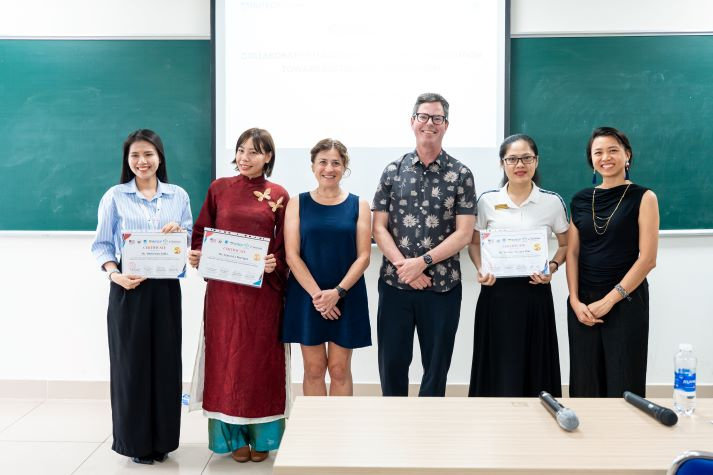
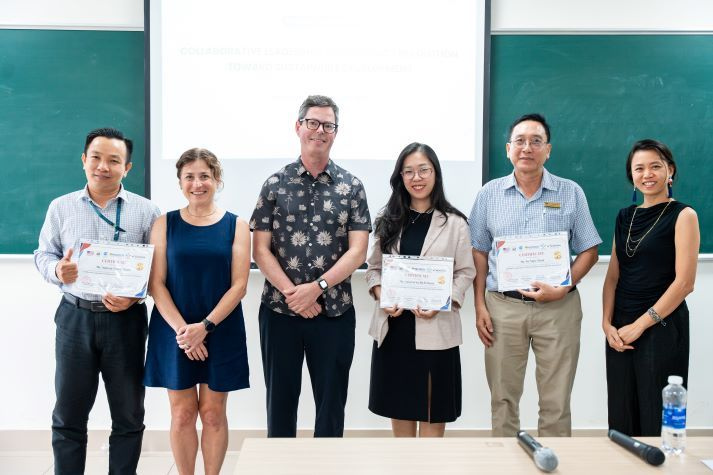
Faculty members and staff engaged in discussions and networking activities with the speakers
 |
 |
 |
 |
 |
 |
Participants were also introduced to guiding questions designed to identify stakeholders’ core interests, explore the root causes of issues, and move toward constructive solutions. These practical skills can help individuals become more proactive in communication, coordination, and handling workplace challenges.
|
The program was supported by the Sustainable Impact Leadership Network, a nonprofit community education network sponsored by University of Montana. Guided by the vision “Leaders create leaders,” SILN aims to build a network of individuals capable of leading, connecting, and spreading positive values within communities. Through free training and support activities, the organization seeks to expand its partner network and engage more individuals interested in collaborative leadership and sustainable development in the future.
|
News: Yến Như
Photo: Thành Phúc
Communication Center
Other news
HUTECH releases 2025 Sustainability Report
Ho Chi Minh City University of Technology (HUTECH) has officially released its 2025 Sustainability Report, offering a comprehensive overview of the...
HUTECH ready for official MOET assessment following preliminary site visit for three master’s programs
On May 20, Ho Chi Minh City University of Technology (HUTECH) welcomed the evaluation team from the Center for Education Accreditation under...
HUTECH students experience a day living with Japanese culture at VJIT Matsuri 2026
From martial arts, traditional dances, yukata, calligraphy, and Japanese cuisine to cosplay and Japanese karaoke, the Japanese cultural festival...
HUTECH connects with University of Barcelona, expanding its European education cooperation network
The working session between Ho Chi Minh City University of Technology (HUTECH) and the University of Barcelona opened up numerous prospects for...
International Forum at HUTECH equips young global leaders with collaborative leadership skills
As the world faces increasingly complex environmental, social, technological, and cultural challenges, the ability to collaborate, engage in...