


DAAD Alumni Events 2026 opens up new directions for higher education quality assurance
- 06/10/2026
Quality in higher education is truly meaningful only when the ideas exchanged can translate into concrete changes in education, governance, and learners’ experiences. With this spirit, Vietnamese and German experts and the DAAD alumni community came together to discuss quality culture, internationalization, and sustainable development.
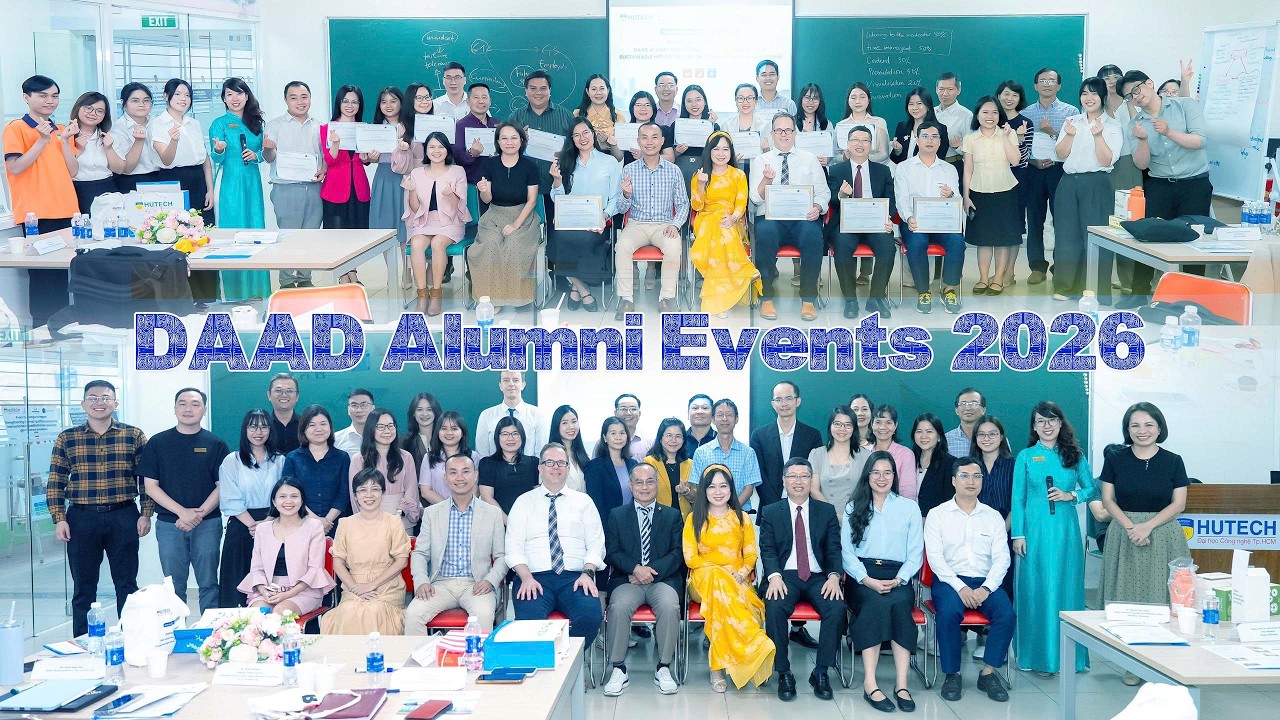
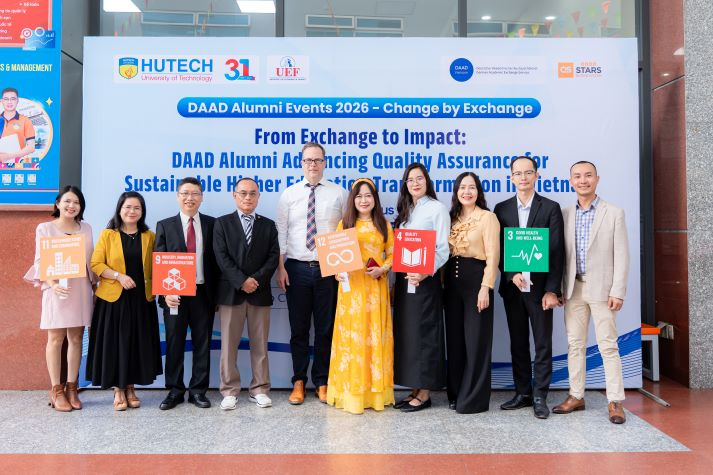
As part of “DAAD Alumni Events 2026 - Change by Exchange,” funded by the German Academic Exchange Service (DAAD), the workshop “From Exchange to Impact: DAAD Alumni Advancing Quality Assurance for Sustainable Higher Education Transformation in Vietnam” was jointly organized by Ho Chi Minh City University of Technology (HUTECH) and Ho Chi Minh City University of Economics and Finance (UEF) on 6 October. The program aimed to exchange knowledge, strengthen academic connections, and promote approaches that educational institutions can put into practice.
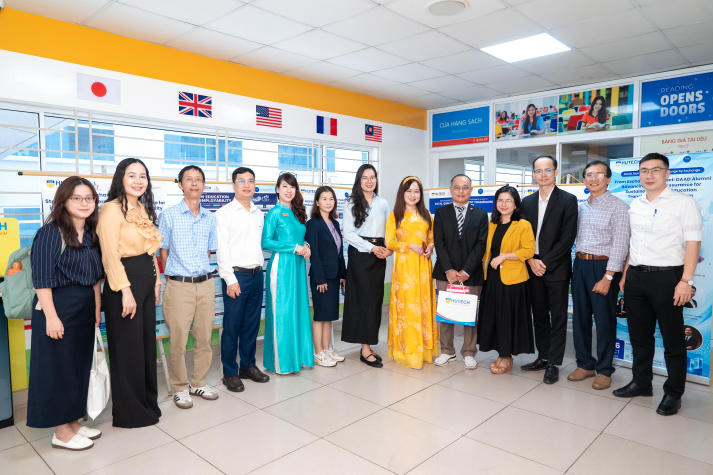
Delegates visit the DAAD DIES Alumni Poster Showcase 2026 to explore initiatives that apply DAAD/DIES experience to higher education practice
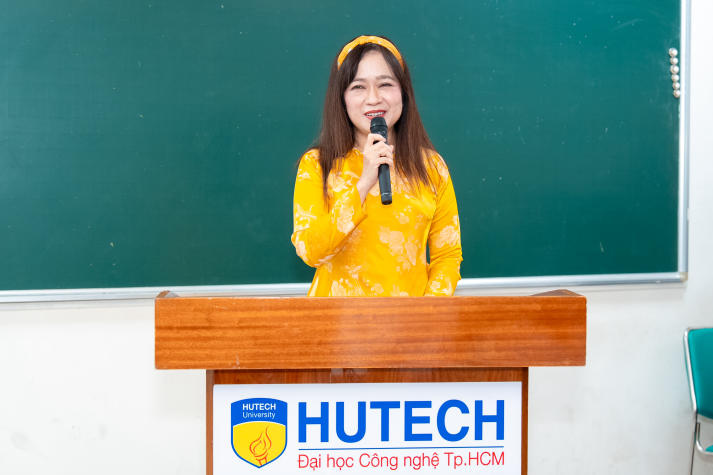
Dr. Ly Thien Trang, Vice President of HUTECH, shares the value of connecting, learning, and exchanging experience within the DAAD/DIES alumni community
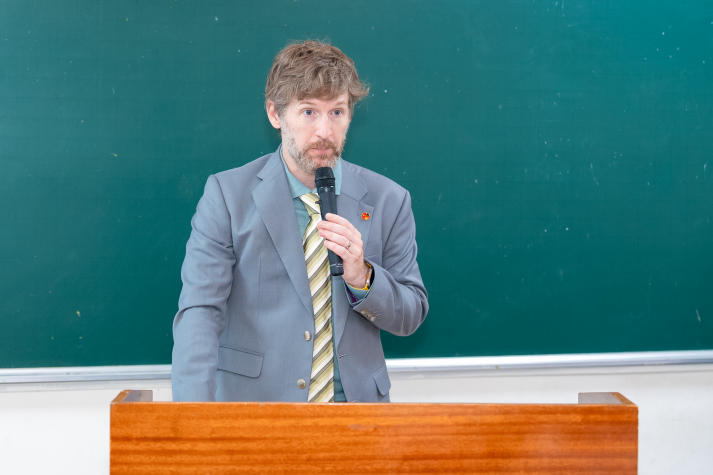
Mr. Philip Marsden, Deputy Consul General of the Federal Republic of Germany in Ho Chi Minh City, emphasizes the role of academic exchange and the DAAD alumni network in strengthening Vietnam–Germany connections
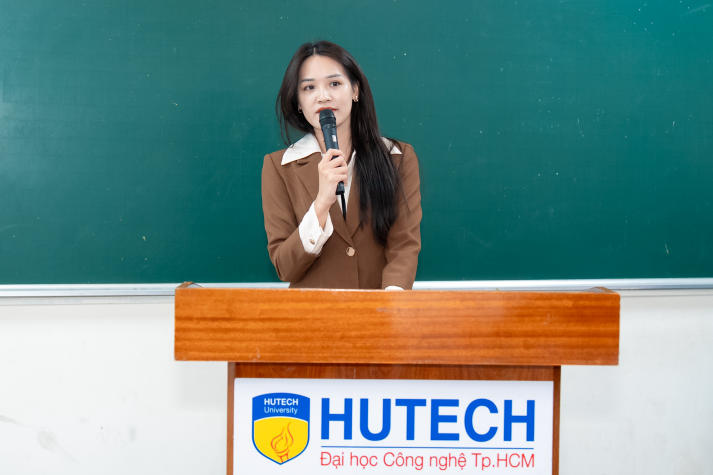
Ms. Pham Ngoc Mai, Representative of the German Academic Exchange Service (DAAD) in Ho Chi Minh City, highlights the alumni community’s role in connecting Vietnamese and German higher education and expanding opportunities for cooperation
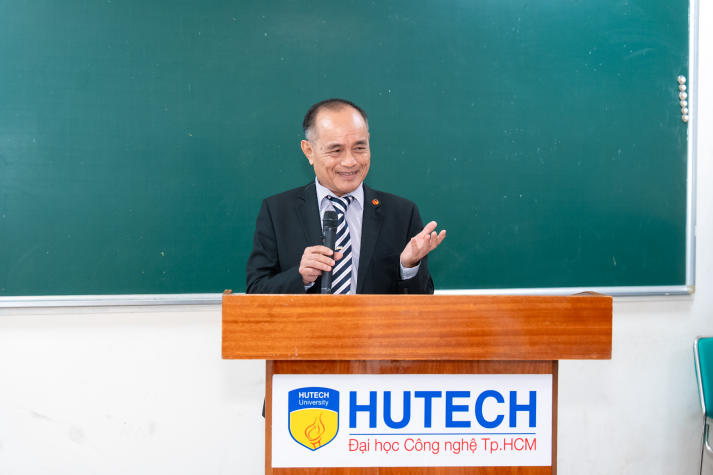
Mr. Nguyen Anh Tuan, Chairman of the Ho Chi Minh City Vietnam–Germany Friendship Association, reflects on the development of quality assurance and academic cooperation toward sustainable development
Dr. Ly Thien Trang, Vice President of HUTECH, shares the value of connecting, learning, and exchanging experience within the DAAD/DIES alumni community
Mr. Philip Marsden, Deputy Consul General of the Federal Republic of Germany in Ho Chi Minh City, emphasizes the role of academic exchange and the DAAD alumni network in strengthening Vietnam–Germany connections
Ms. Pham Ngoc Mai, Representative of the German Academic Exchange Service (DAAD) in Ho Chi Minh City, highlights the alumni community’s role in connecting Vietnamese and German higher education and expanding opportunities for cooperation
Mr. Nguyen Anh Tuan, Chairman of the Ho Chi Minh City Vietnam–Germany Friendship Association, reflects on the development of quality assurance and academic cooperation toward sustainable development
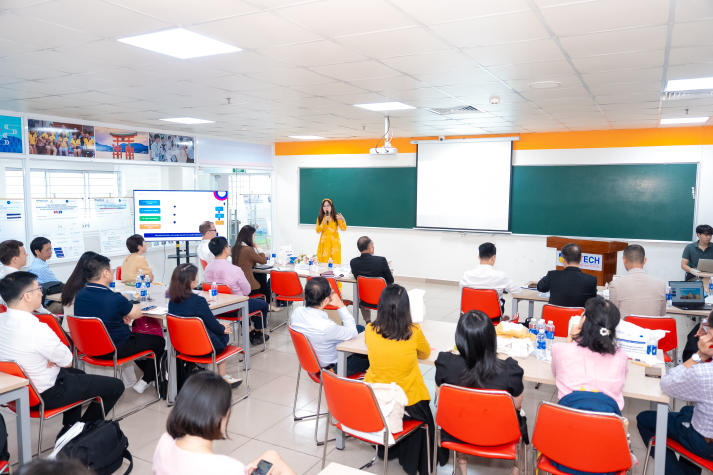
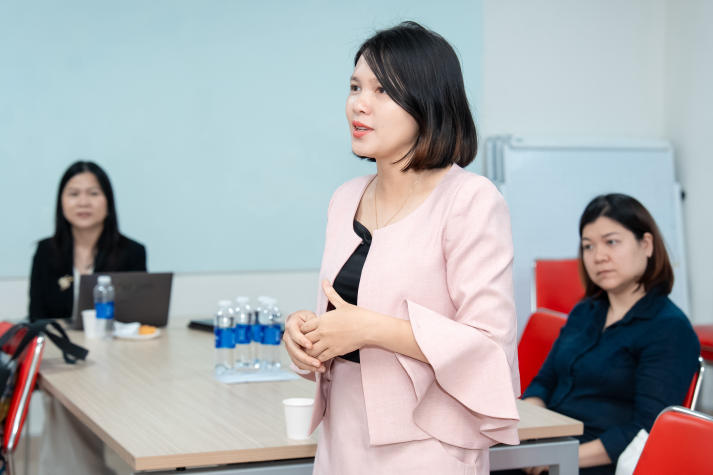
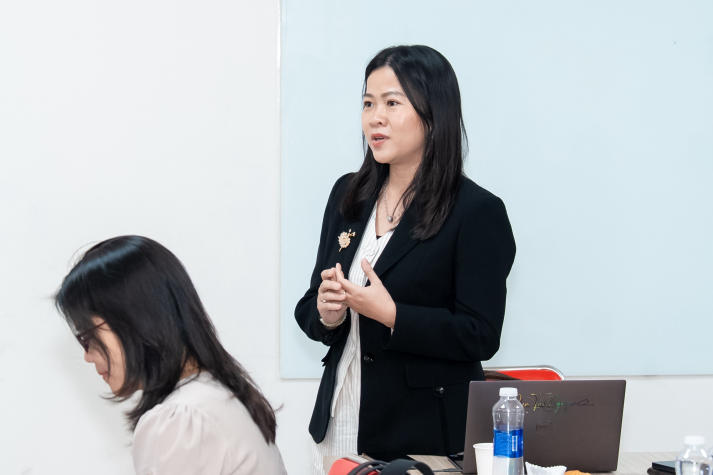
In her presentation, “From Internationalization to Sustainable Transformation: How Universities Create Impact through Quality Assurance, Partnerships, and Global Engagement,” Dr. Ly Thien Trang, Vice President of HUTECH, argued that the effectiveness of internationalization should be assessed through changes in curricula, teaching, research, staff capabilities, and student experiences, going beyond the numbers of memoranda of understanding or cooperation activities.
 |
 |
At HUTECH, more than 60 academic programs have been updated to include a three-credit Sustainable Development course, while also incorporating applied AI, Design Thinking, and content relevant to each discipline. Together with international accreditation and the PDCA cycle, this approach directs quality assurance toward changes that can be measured and sustained.
Addressing the connection between education and the labor market, Dr. Phan Bao Giang, Vice President of UEF, presented “From Education to Professional Competence: Aligning Educational Outcomes with Business Needs.” He proposed translating employers’ needs and real business challenges into learning outcomes, learning tasks, and assessment criteria so that students can conduct research, develop solutions, and create outputs that demonstrate their competence.
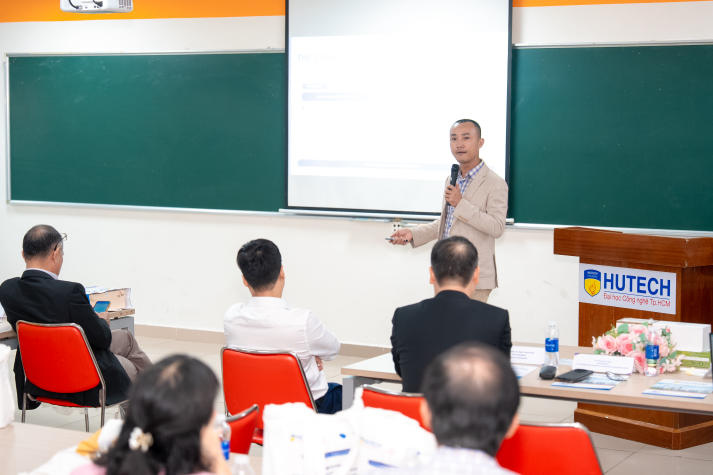
Dr. Phan Bao Giang shares approaches to aligning education with business needs and professional competence
He also emphasized that professional competence should be developed throughout the university journey rather than left until internships or the final year. As AI rapidly changes the labor market, portfolios, project experience, and problem-solving abilities are becoming increasingly important evidence of learners’ career readiness.
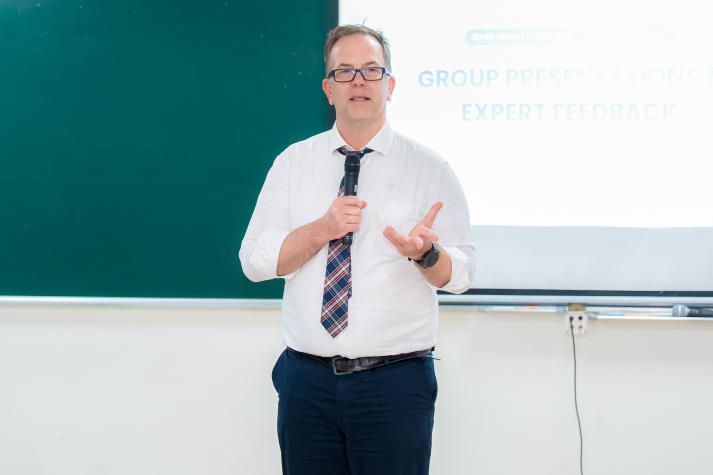
In his presentation, “Beyond Quality Assurance: Quality and Organizational Learning in a Changing Context,” Prof. Dr. Philipp Pohlenz of Otto von Guericke University Magdeburg, Germany, questioned how well data, standards, and indicators reflect actual quality. Producing more reports does not necessarily help universities understand themselves better; quality assurance should be connected to organizational learning, with regular reflection on goals, values, and operational effectiveness. Quality culture is cultivated through practice, interaction, and members’ participation, while the Sustainable Development Goals (SDGs) should provide strategic direction for education, governance, and social responsibility.
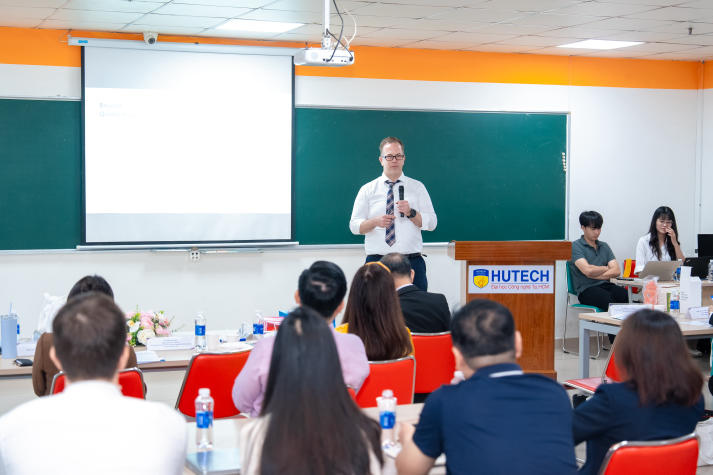
Prof. Dr. Philipp Pohlenz discusses the role of organizational learning and quality culture in sustainable development
Continuing the discussion of Vietnam–Germany cooperation, Ms. Pham Ngoc Mai, Representative of the German Academic Exchange Service (DAAD), presented “Connecting with German Partners and Expanding Cooperation Opportunities with DAAD.” The presentation outlined DAAD’s three core areas of activity: information and advice, networking, and financial support. With more than 400 universities in Germany, Vietnamese educational institutions, lecturers, and researchers can use tools such as My GUIDE to identify suitable universities, programs, and partners.
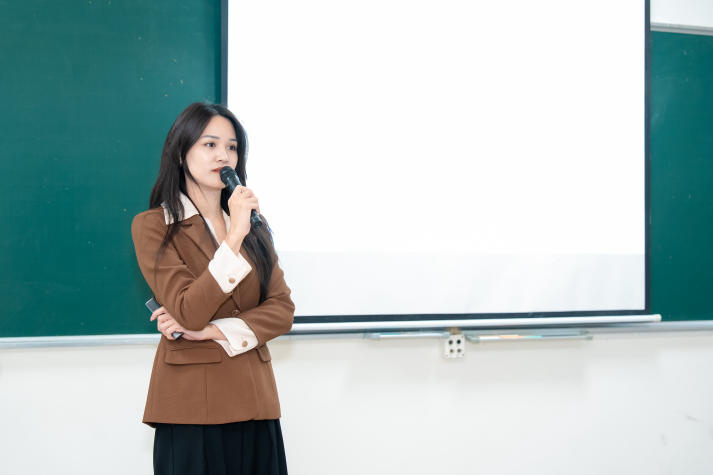
Ms. Pham Ngoc Mai introduces activities that support partner connections and expand opportunities for cooperation with DAAD
A panel discussion featuring six experts—Dr. Ly Thien Trang, Dr. Phan Bao Giang, Prof. Dr. Philipp Pohlenz, Assoc. Prof. Dr. Dinh Thanh Viet, Ms. Nguyen Minh Phuong, and Dr. Nguyen Van Hung—further explored how quality assurance can move beyond serving accreditation requirements to become a culture of continuous improvement.
Contributions focused on translating feedback, data, and cooperation outcomes into concrete adjustments to learning outcomes, curricula, teaching methods, and assessment, while strengthening the participation of lecturers, students, alumni, businesses, and other stakeholders. The open exchange of diverse perspectives helped ground the discussions in practical issues and increase the feasibility of the proposed approaches.
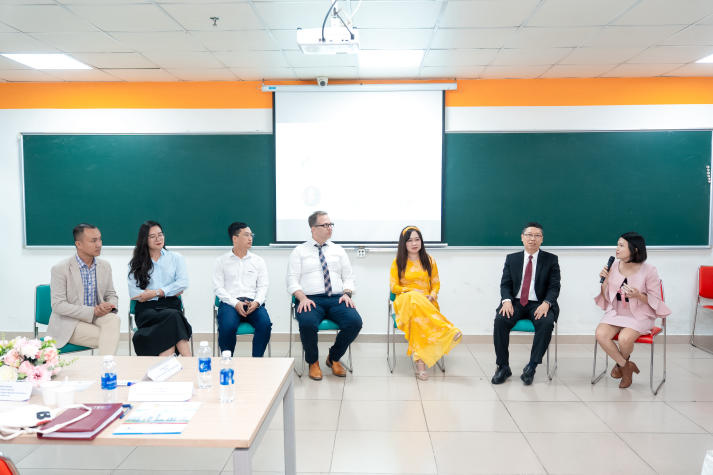
The panel discussion focuses on a culture of continuous improvement and stakeholder participation
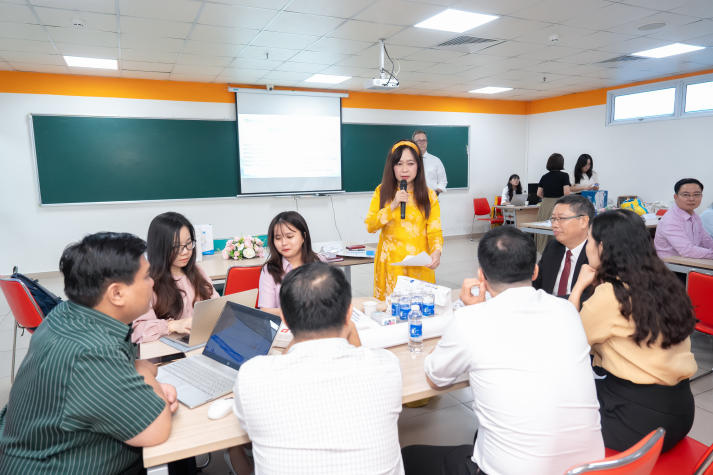
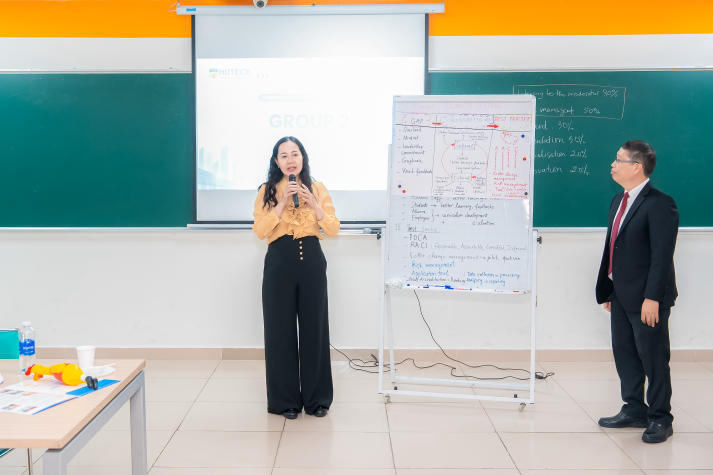
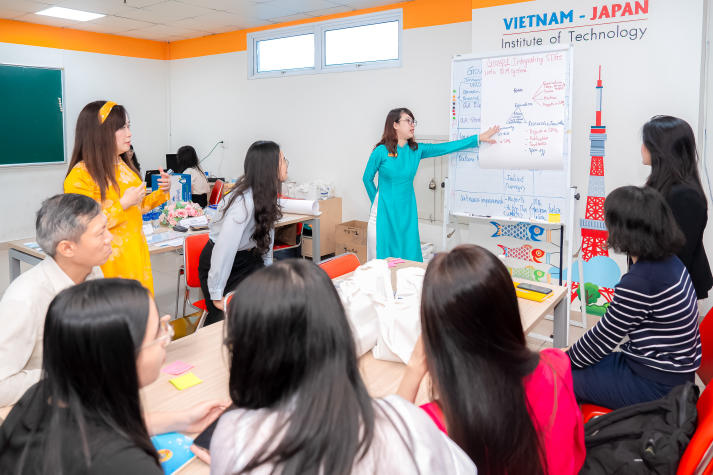
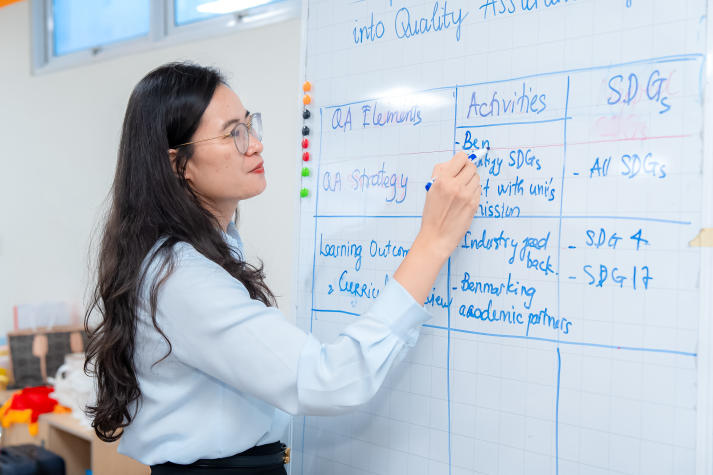
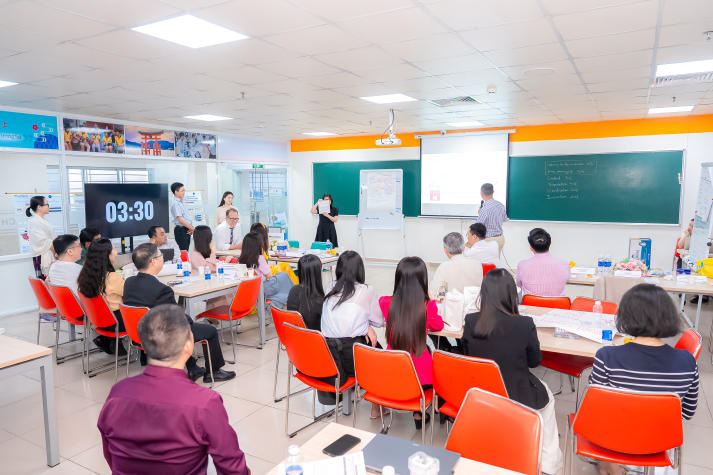
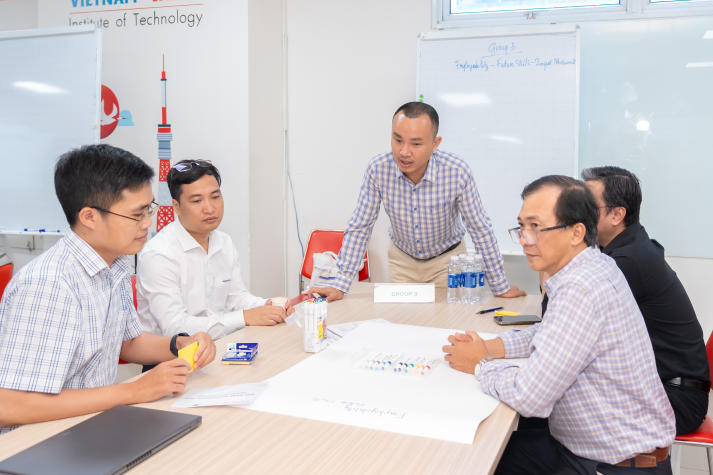
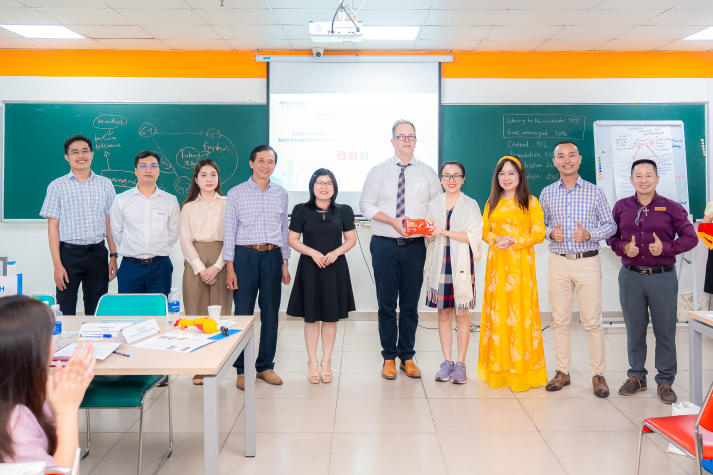
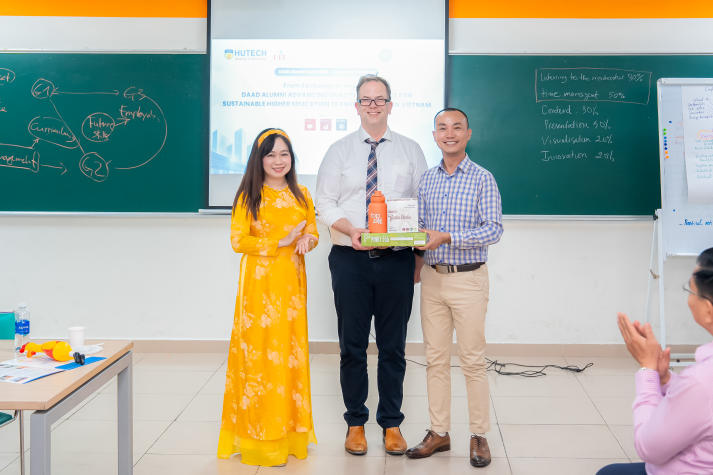
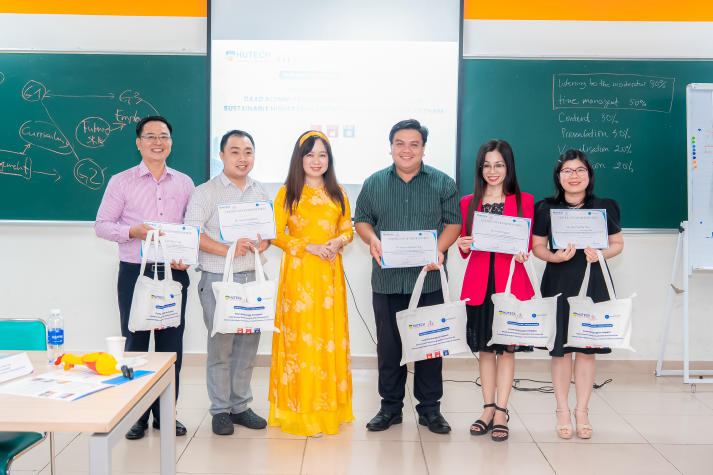
In the afternoon, delegates continued with the practical session “Building Quality Culture for Sustainability,” working in three groups on three themes: integrating the Sustainable Development Goals (SDG 4, SDG 8, and SDG 17) into quality assurance systems; building a quality culture through stakeholder participation; and connecting quality assurance with employment needs, future skills, and social impact. Using the World Café format, the groups rotated to contribute ideas and refine each group’s outputs. With each discussion round, ideas were supplemented, critically examined, and developed further based on delegates’ practical experience, resulting in concrete proposals for each theme.
 |
 |
 |
 |
 |
 |
 |
 |
 |
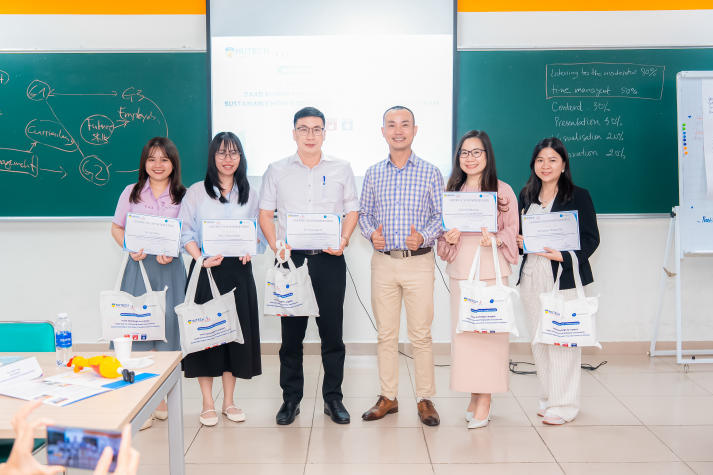 |
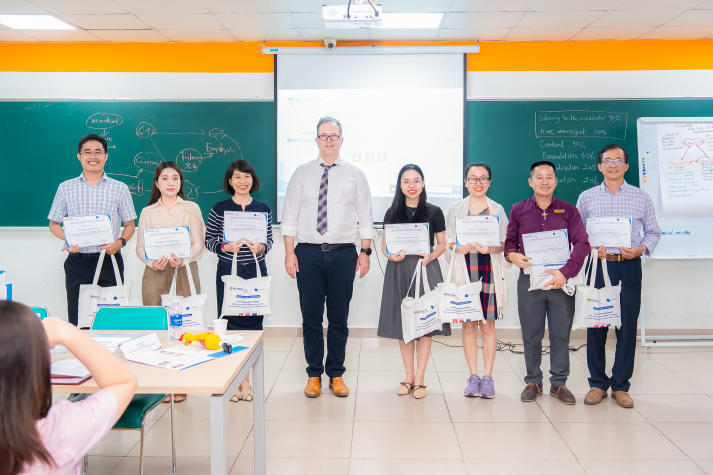
The practical session helps participants move closer to improvements that can be implemented and sustained in higher education practice
Prof. Dr. Philipp Pohlenz provided direct feedback on the discussion outcomes. Drawing on his suggestions, delegates refined action plans suited to their institutions, bringing the workshop’s insights closer to improvements that can be implemented and sustained in higher education practice.
News: Mỹ Lam
Photo: Công Định - Nguyễn Chánh
Communication Center
Other news
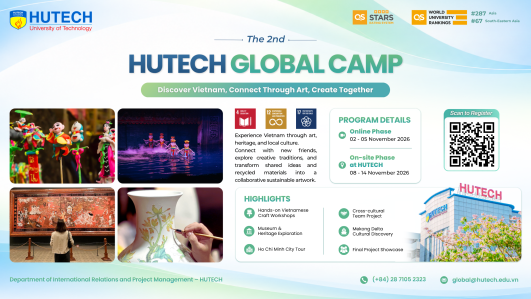
[Call for Participation] The 2nd HUTECH Global Camp
Ho Chi Minh City University of Technology (HUTECH) is pleased to announce the opening of applications for The 2nd HUTECH Global Camp, themed...

Five HUTECH scientists named among the world’s top 2% of scientists in 2026
Five scientists from Ho Chi Minh City University of Technology (HUTECH) have recently been named among the world’s top 2% of scientists for 2026 in...
HUTECH lecturers strengthen their quantitative educational research skills with U.S. expert
Launched on 7 October, the training program “Exploring Quantitative Educational Research Methods: Introduction to Quantitative Educational Research...
HUTECH’s Faculty of Korean Studies strengthens educational cooperation with the Consulate General of the Republic of Korea
Connecting education with practical experience, increasing access to businesses, and opening up additional career development pathways for students...
Dr. Bui Phan Anh Thu “unlocks” an international faculty development journey at IIT Gandhinagar, India
Expanding academic connections at the Indian Institute of Technology Gandhinagar (IIT Gandhinagar), India, Dr. Bui Phan Anh Thu, Dean of the...
HUTECH expands international academic network with Mountain Province State University, Philippines
Building on shared strengths in education and research, Ho Chi Minh City University of Technology (HUTECH) and Mountain Province State University...