


HUTECH connects with three Hungarian universities to advance cooperation in engineering and medicine
- 28/10/2026
Ho Chi Minh City University of Technology (HUTECH) explored opportunities for joint programs in engineering and technology, as well as medical education cooperation linked to clinical practice, during visits to three Hungarian universities from October 19 to 21.
The HUTECH delegation was led by Dr. Kieu Xuan Hung, Chairman of the University Board of Presidents, and included leaders from HUTECH and its School of Medicine and Health Sciences.
The visit built on HUTECH’s existing partnerships in Hungary, including hosting a PhD candidate from John von Neumann University for research under the Pannónia Scholarship Program in 2026. With support from Mr. Gábor Lehőcz, Consul General of Hungary in Ho Chi Minh City, in facilitating these connections, the meetings helped broaden the foundation for cooperation in education, research, and academic exchange between the two countries.
Advancing engineering and technology cooperation through established partnerships
On October 19, the delegation visited John von Neumann University to learn about its laboratories, facilities, and approach to aligning education with industry needs. Dr. Tamás Fülöp, Rector of the university, and representatives from its academic units welcomed the delegation.
Building on the Memorandum of Understanding (MoU) signed in March 2025, the two universities continued discussing potential 2+2 or 3+1 joint programs in Mechanical Engineering, Automotive Engineering, and Information Technology. These options remain under consideration as both institutions assess study pathways that align with their curricula and implementation requirements.

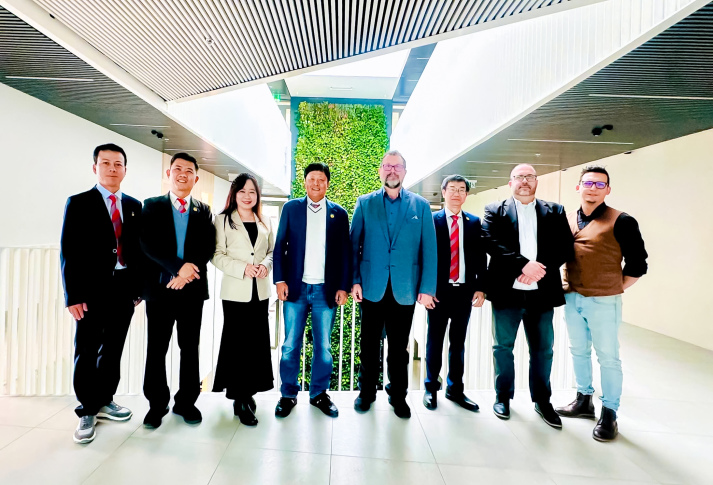
Representatives from HUTECH and John von Neumann University discuss opportunities for cooperation in education and research
Research cooperation was also discussed, including joint publications, academic exchange, and opportunities to develop an Erasmus+ KA171 project. The two universities also explored the possibility of Hungarian students joining exchange programs, internships, and short courses at HUTECH, potentially with support from the Pannónia Scholarship Program.
To expand research connections, HUTECH invited faculty members and researchers from John von Neumann University to participate in the GSETS 2027 international scientific conference, scheduled to take place at HUTECH from April 8 to 10, 2027.
Exploring medical education models linked to university hospitals at two Hungarian universities
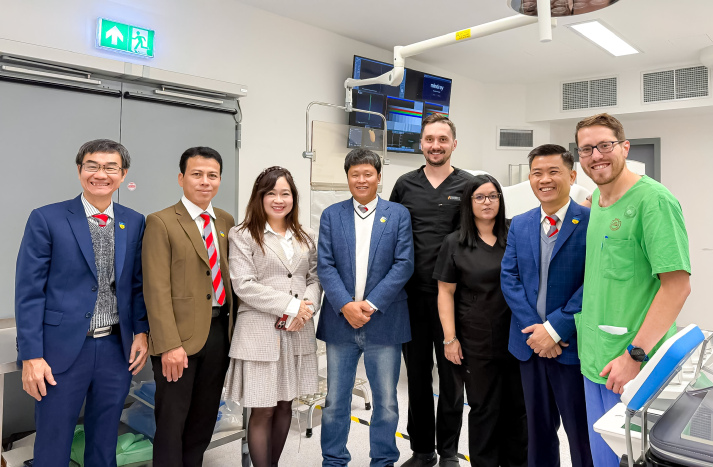
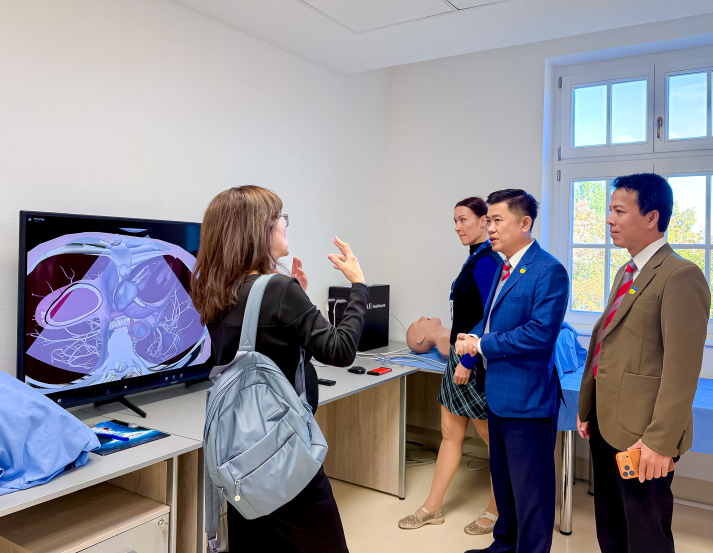
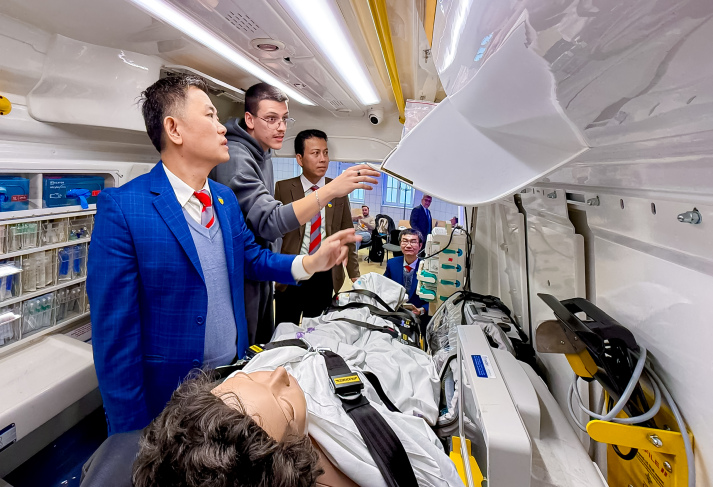
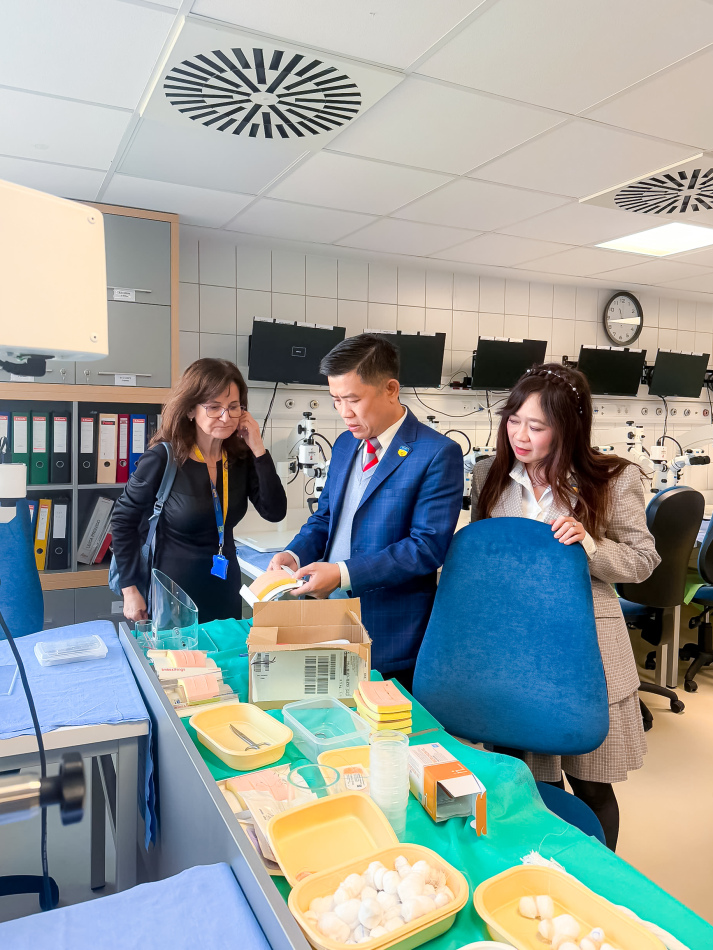
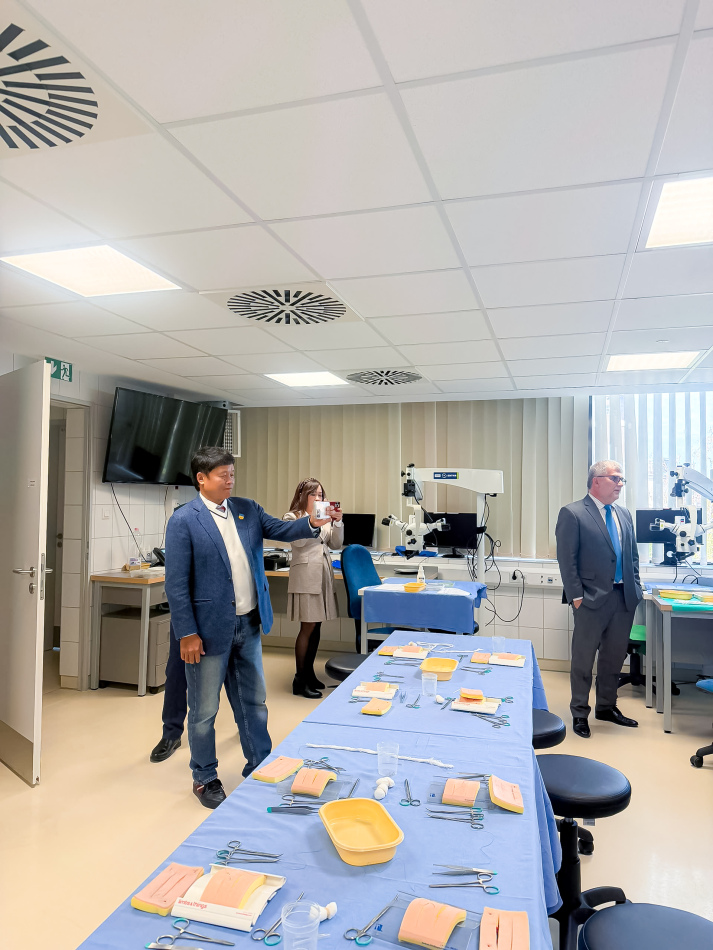
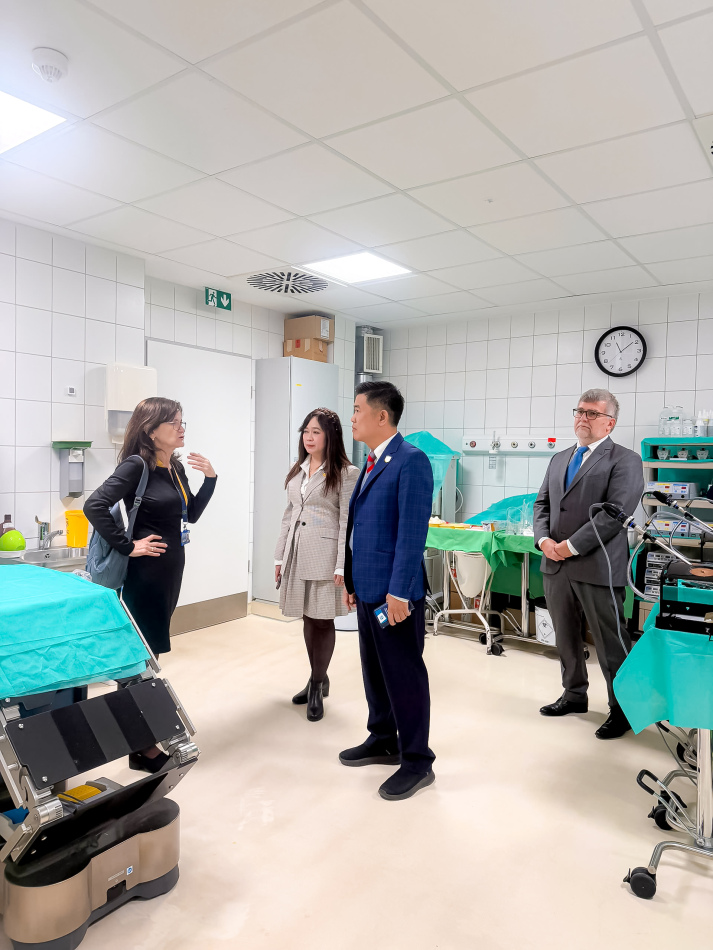
On October 20, the HUTECH delegation visited the Albert Szent-Györgyi Medical School at the University of Szeged to learn how the university and its hospitals coordinate medical education, clinical practice, and research. Visits to the Clinical Skills Center, the Internal Medicine unit, and the Cardiology Center provided practical insights into clinical training facilities and the organization of clinical education.
The discussions covered preparations for a future MoU and potential student and faculty exchanges, joint research, and international exchange projects. Study pathways following 2+4, 3+3, or other suitable structures were also raised for further feasibility assessment.
 |
|
 |
 |
 |
 |
 |
|
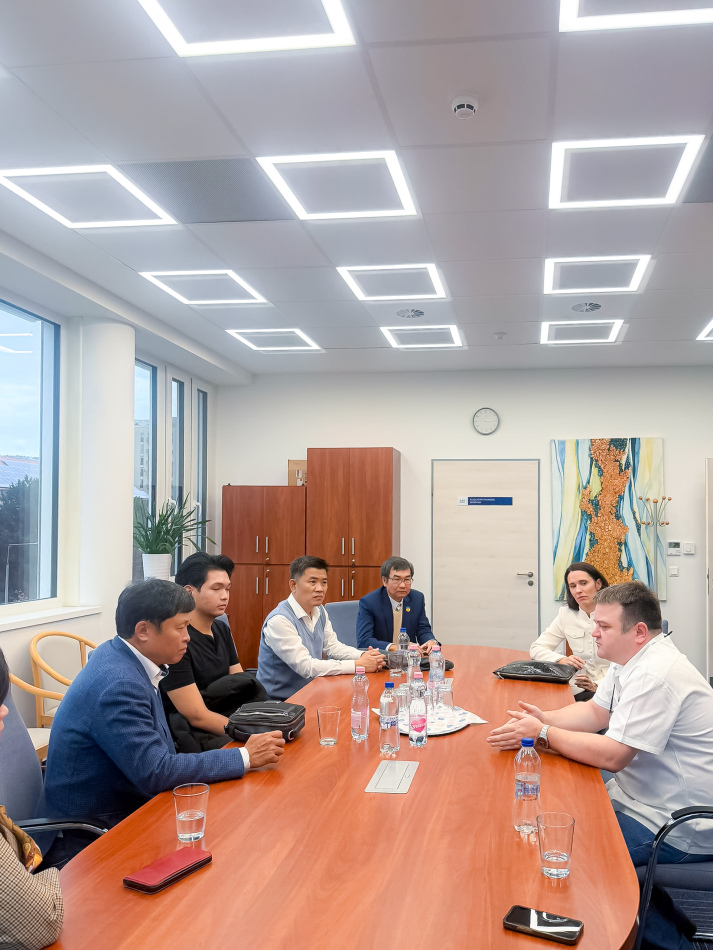
Continuing the program on October 21 at the University of Pécs Medical School, the delegation focused on medical school governance and operations, faculty development, and quality assurance in education. The discussions also extended to dental education and clinical training, including curriculum development, program delivery, and international cooperation.
The two institutions also considered potential 1+5, 2+4, or other joint study pathways. Further assessment will require curriculum mapping, clarification of academic requirements, evaluation of credit transfer arrangements, and a review of compatibility with Hungarian education regulations.
 |
 |
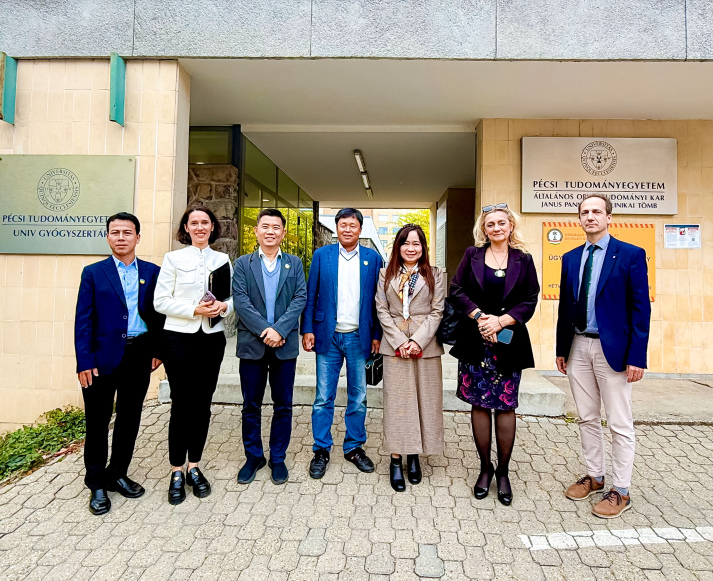
Representatives from the two universities share experience in governance and curriculum development for medical and dental education
Following these discussions, HUTECH and its Hungarian partners plan to continue sharing and mapping curricula, assessing credit transfer possibilities, and reviewing relevant academic requirements. These steps will help identify suitable pathways for cooperation, particularly in medical education and the health sciences.
News & Photo: Department of International Relations and Project Management
Communication Center
News & Photo: Department of International Relations and Project Management
Communication Center
Other news
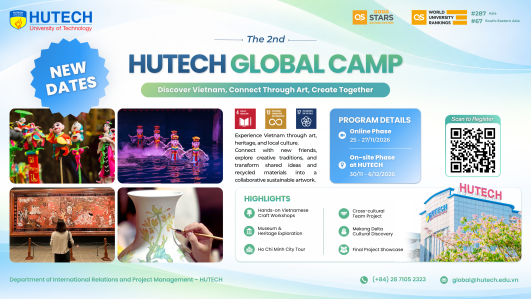
[NEW DATES ANNOUNCED] The 2nd HUTECH Global Camp 2026
Ho Chi Minh City University of Technology (HUTECH) is pleased to announce the opening of applications for The 2nd HUTECH Global Camp, themed...

HUTECH joins the International Association of Universities (IAU), marking a new milestone in global engagement
Ho Chi Minh City University of Technology (HUTECH) has reached a new milestone in its international engagement by officially joining the...
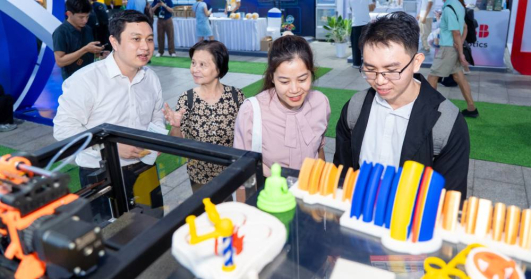
HUTECH booth showcases green innovations at GRECO 2026
On the opening day of the 4th Green Growth Show (GRECO 2026), the Ho Chi Minh City University of Technology (HUTECH) booth attracted attention with...
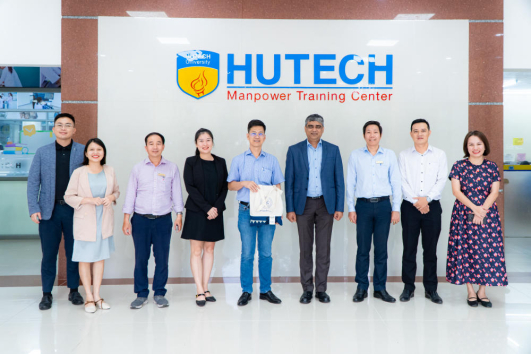
HUTECH advances education and research cooperation with Indian Institute of Technology Gandhinagar
Expanding opportunities for doctoral education, student exchanges, and joint research programs was the central focus of a meeting between Ho Chi...
HUTECH and Singapore Polytechnic explore ways to put student ideas into practice through LeX+ 2027
On October 19, Ho Chi Minh City University of Technology (HUTECH) and Singapore Polytechnic, Singapore, met to discuss plans for LeX+ 2027,...
Strengthening Vietnam–India academic ties: HUTECH and St Aloysius explore transnational education and student exchange
On October 20, Ho Chi Minh City University of Technology (HUTECH) welcomed representatives from St Aloysius (Deemed to be University) (SAU), India,...