


HUTECH School of Engineering lecturer explores robotics technology at IIT Kanpur, India
- 03/10/2026
From September 21 to October 2, Dr. Vo Dinh Tung, a lecturer at the School of Engineering, Ho Chi Minh City University of Technology (HUTECH), participated in a robotics training course at the Indian Institute of Technology Kanpur (IIT Kanpur), India. The program offered opportunities to update his knowledge of robotics technologies and approaches directly relevant to electronics and automation.
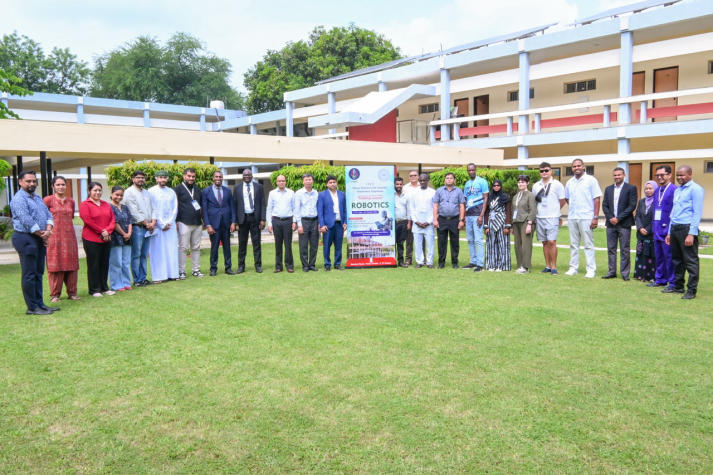
Dr. Vo Dinh Tung explores robotics technologies at IIT Kanpur, India
The course was offered under the Indian Technical and Economic Cooperation (ITEC) Programme 2026–2027. Dr. Vo Dinh Tung independently applied, successfully passed the selection process, and received an Indian government scholarship to attend. Launched in 1964, ITEC is an Indian government initiative for technical cooperation and assistance, enabling participants from partner countries to receive training, exchange expertise, and share experience across a wide range of fields.
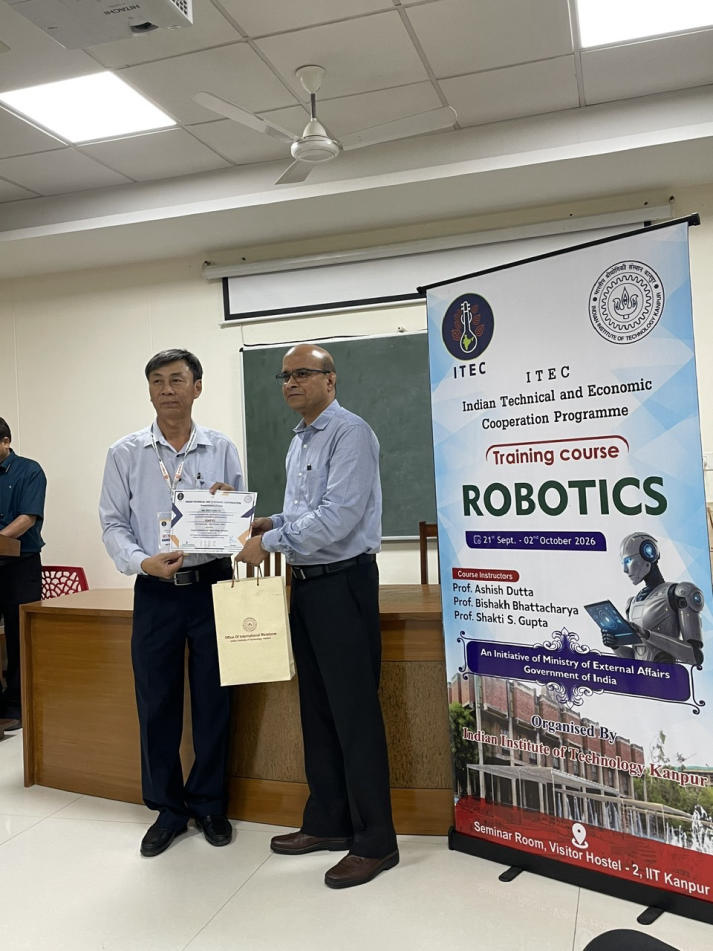
Dr. Vo Dinh Tung receives an Indian government scholarship to participate in the ITEC Programme 2026–2027
During nearly two weeks at IIT Kanpur, Dr. Vo Dinh Tung explored robotics through a structured combination of foundational knowledge, advanced topics, and practical activities. The initial sessions covered degrees of freedom (DOF), rigid-body position and orientation, vectors, rotation matrices, homogeneous transformations, and Denavit–Hartenberg (DH) parameters. Alongside these theoretical topics, participants worked with Arduino Uno microcontrollers, learning about computer connections, input and output, basic programming, and sensors.
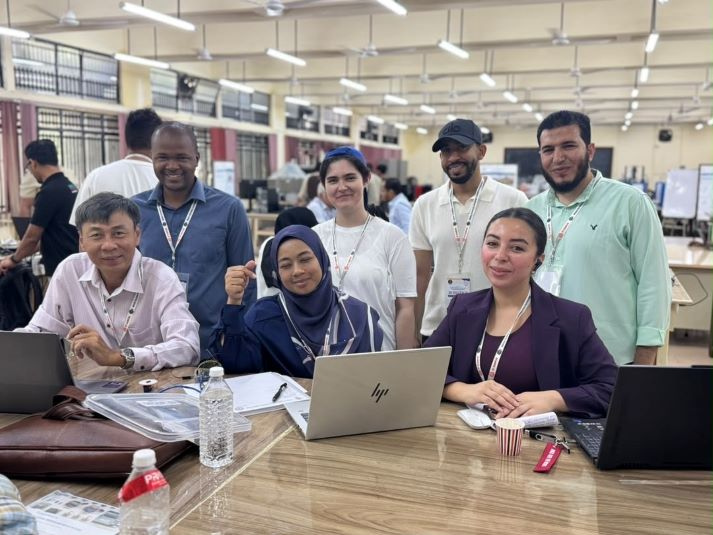
The training combines robotics fundamentals, microcontroller programming, and practical work with sensors
Building on this foundation, the program progressed to actuators, stepper and servo motors, forward and inverse kinematics, motion planning, control systems, dynamics, and robot programming. Sessions on AI in robotics and robotics in manufacturing highlighted the growing integration of artificial intelligence, control, and automation in modern robotic systems.
A notable feature of the course was the close connection between theoretical learning, practical activities, and laboratory visits. Dr. Vo Dinh Tung and fellow participants explored facilities and conducted experiments at the Smart Materials/Controls Lab, AI Lab, Robotics in Manufacturing Labs, and Centre for Mechatronics. They worked with PUMA and SVAYA robotic systems and gained practical experience with microcontrollers, sensors, actuators, and two-link robotic manipulators.
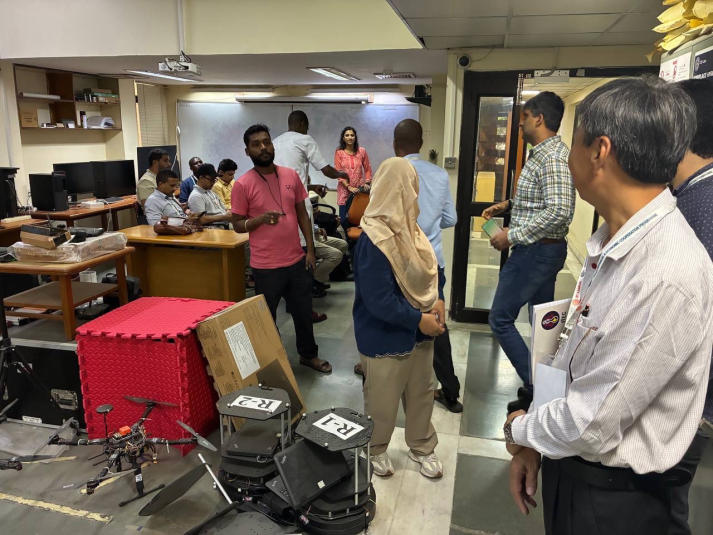
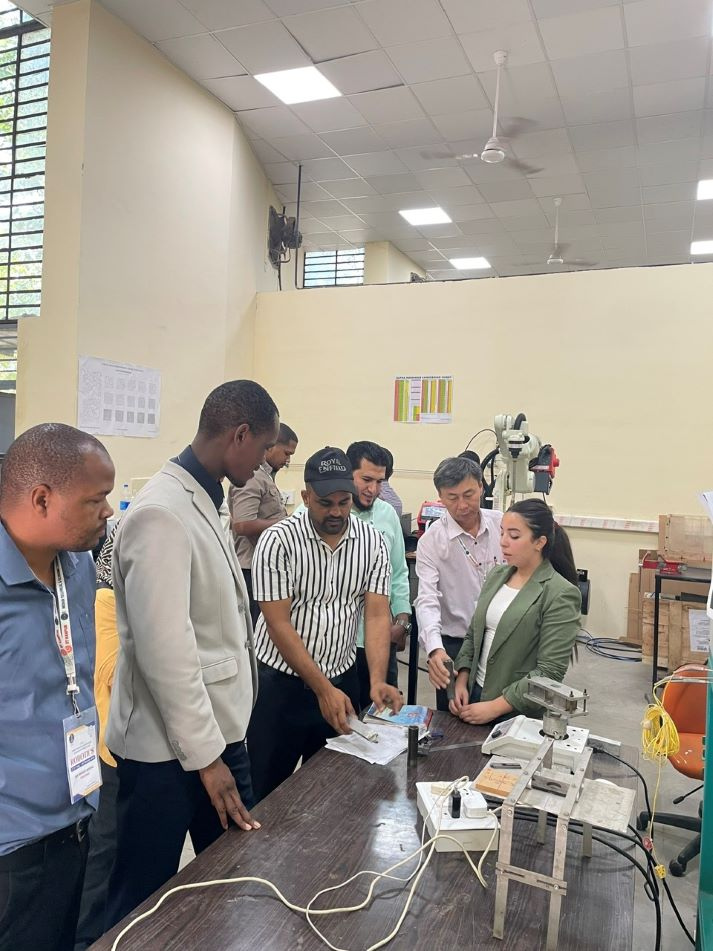
Dr. Vo Dinh Tung conducts practical experiments with a range of modern robotic systems at IIT Kanpur
On October 1, the program continued with sessions on drone systems and control, complemented by visits to the Drone Lab and Flight Lab, before concluding on October 2.
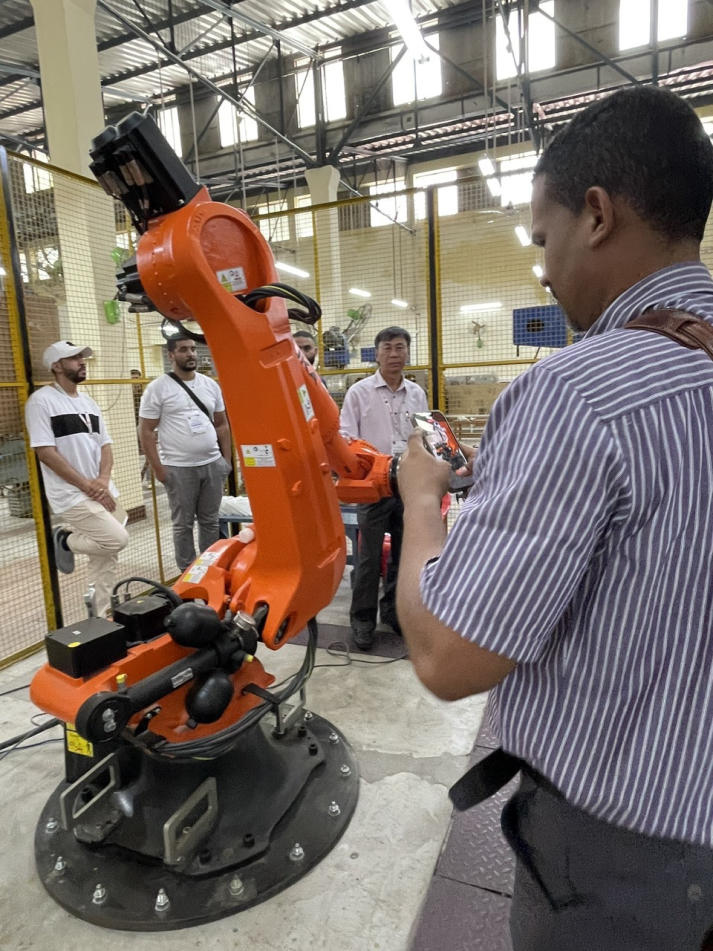
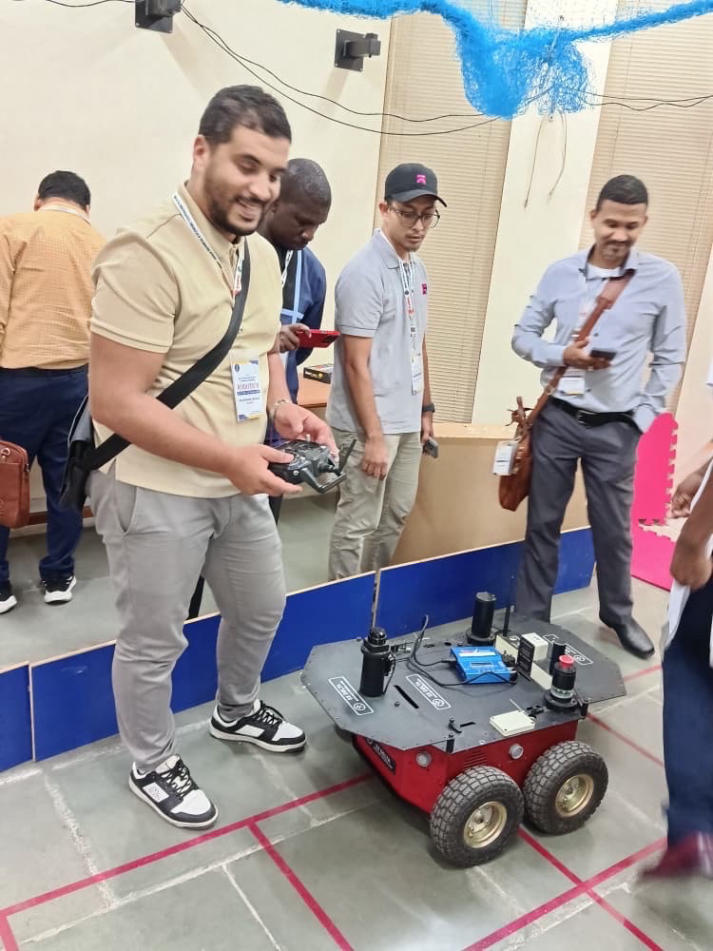
Sessions on drone systems and control are complemented by practical exposure at the Drone Lab and Flight Lab
The sessions were led by IIT Kanpur faculty members from several disciplines, including Mechanical Engineering, Computer Science and Engineering, and Electrical Engineering. This interdisciplinary approach explored the connections between robotics, mechanics, electrical and electronic engineering, control, and artificial intelligence, broadening participants’ understanding of how robotic systems are researched, developed, and deployed in practice.
For Dr. Vo Dinh Tung, the course content was directly relevant to the electronics and automation subjects he teaches at HUTECH, particularly control, sensors, actuators, microcontrollers, robot programming, and AI applications in robotics. The knowledge and practical experience gained at IIT Kanpur will serve as valuable resources as he continues to update his subject knowledge, broaden his approaches to robotics education and research, and incorporate relevant insights into his teaching at HUTECH.
News: Mỹ Lệ
Photo: Department of International Relations and Project Management
Communication Center
News: Mỹ Lệ
Photo: Department of International Relations and Project Management
Communication Center
Other news
[Call for Participation] The 2nd HUTECH Global Camp
Ho Chi Minh City University of Technology (HUTECH) is pleased to announce the opening of applications for The 2nd HUTECH Global Camp, themed...
HUTECH expands international academic network with Mountain Province State University, Philippines
Building on shared strengths in education and research, Ho Chi Minh City University of Technology (HUTECH) and Mountain Province State University...
HUTECH faculty member explores innovation and emerging technologies in Chongqing, China
From September 18 to 24, Assoc. Prof. Dr. Ha Minh Tuan, Vice Dean of the Faculty of Architecture and Civil Engineering at Ho Chi Minh City...
Trine University expert joins HUTECH to demystify AI in healthcare technology
AI is creating new possibilities in healthcare while raising questions about reliability, data security, and technology governance. These issues...
HUTECH and the University of Western Australia discuss postgraduate pathways and international experiences for students
More postgraduate study options, opportunities to experience an international learning environment, and stronger industry connections were among...
HUTECH connects with IIT Gandhinagar (India) in Media and Design Education
With the aim of strengthening international connections in media and design education, Ho Chi Minh City University of Technology (HUTECH) held an...