


Dr. Ly Thien Trang proposes a new direction for university internationalization, expanding cooperation and driving quality transformation
- 14/09/2026
Internationalization is increasingly being viewed in connection with the need to enhance the quality of higher education. At an international webinar organized by the ASEAN Quality Assurance Association, Dr. Ly Thien Trang, Vice President of Ho Chi Minh City University of Technology (HUTECH), joined experts in discussing the meaningful value and tangible impact of internationalization on institutional development.
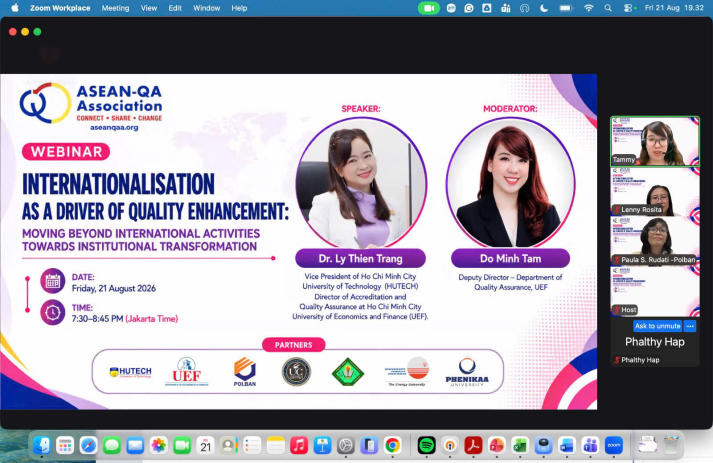
Dr. Ly Thien Trang joins experts in discussing the meaningful value of internationalization in enhancing the quality of higher education
Drawing on HUTECH’s experience, Dr. Ly Thien Trang proposed a shift from building an “international ecosystem” to developing a “quality ecosystem,” in which international cooperation, student and faculty mobility, research, accreditation, rankings, and sustainable development are integrated with education and training. Each international engagement should be linked to a specific development objective, creating synergy between international resources and the University’s internal capabilities.
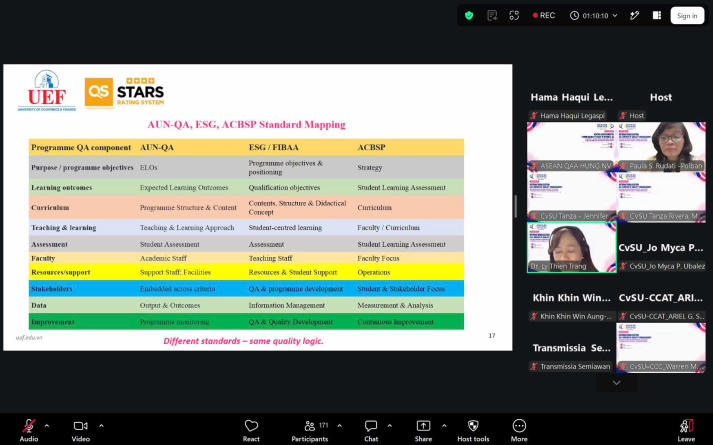
Dr. Ly Thien Trang shares HUTECH’s approach to developing a “quality ecosystem”
Within this approach, Dr. Ly Thien Trang raised an important question: “Are universities truly measuring the impact of internationalization, or are they simply counting the activities they have implemented?” The number of cooperation agreements, international delegations, exchange students, projects, accreditation outcomes, or rankings may indicate the extent of international engagement, but they do not fully capture the value created within an institution.
Meaningful value should be reflected in tangible changes, such as improved curricula, innovative teaching methods, stronger research capacity and quality assurance systems, enhanced capabilities among faculty and staff to work in international environments, students developing global mindsets and intercultural adaptability, and improvements in university governance.
Internationalization creates tangible changes that contribute to enhancing the quality of higher education
Another key focus is expanding opportunities for a broader range of students to experience internationalization within their own learning environment, rather than concentrating such opportunities among those who are able to participate in overseas exchange programs. Through COIL (Collaborative Online International Learning), virtual exchanges, multicultural classrooms, international faculty, and international projects, students can gain more opportunities to develop intercultural competence, global perspectives, and the ability to work in multinational environments.
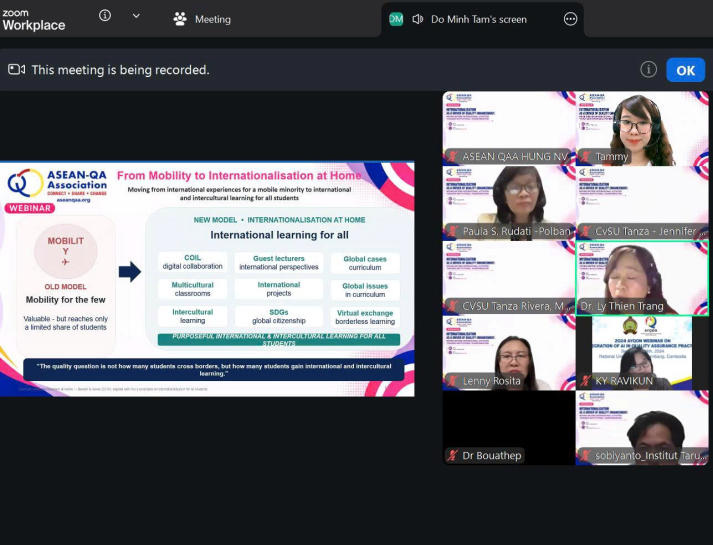
International programs enable students to develop intercultural competence within their own learning environment
From a quality assurance perspective, this approach also calls for a change in how effectiveness is measured. Rather than simply asking, “How much did we do?”, universities need to move toward asking, “What changed because of it?” In other words, what changes have international activities brought about for students, faculty and staff, and the institution’s operational capacity? This represents a shift from expanding the scale of cooperation to creating impact that can be identified and sustained.
As internationalization becomes increasingly intertwined with quality management in higher education, Dr. Ly Thien Trang’s insights at the webinar highlighted an approach centered on effectiveness and the value created. Clearly identifying changes in education, research, staff development, student experience, and governance can provide a basis for universities to evaluate the effectiveness of international cooperation while allocating resources toward sustainable development goals.

The webinar offers new perspectives on advancing internationalization and enhancing the quality of higher education
|
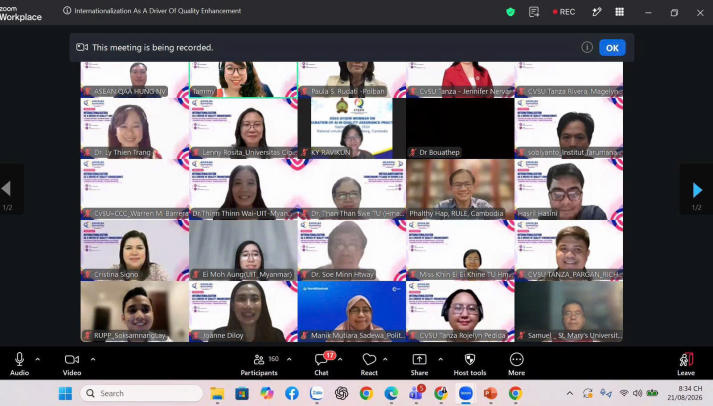
Organized by the ASEAN Quality Assurance Association, the international webinar brought together approximately 170 higher education leaders, administrators, faculty members, and experts from eight ASEAN countries, including Vietnam, Indonesia, Malaysia, Laos, Cambodia, Timor-Leste, the Philippines, and Myanmar. Under the theme “Internationalisation as a Driver of Quality Enhancement: Moving beyond international activities towards institutional transformation,” participants explored the need to view internationalization as a driver of quality enhancement and institutional transformation.
|
News: Mai Ly
Photo: Department of International Relations and Project Management
Communication Center
Other news
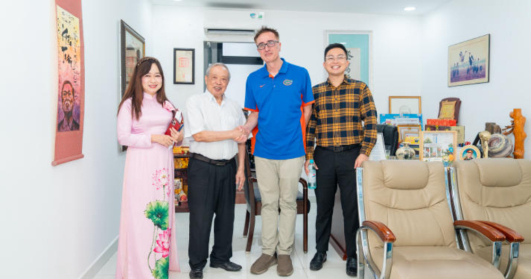
HUTECH welcomes U.S. scholar to advance teaching, research, and international learning experiences
As part of the Fulbright U.S. Scholar Program for the 2026-2027 academic year, Ho Chi Minh City University of Technology (HUTECH) welcomed Prof....
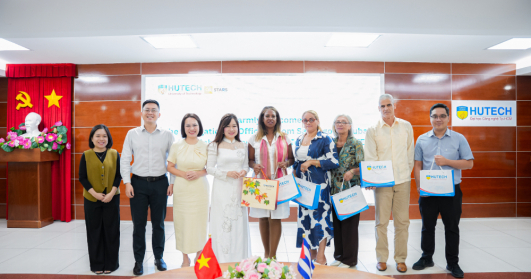
HUTECH meets with leaders of Santiago de Cuba Province to expand educational connections in Latin America
On September 9, Ho Chi Minh City University of Technology (HUTECH) held a meeting with a delegation of leaders from Santiago de Cuba Province,...
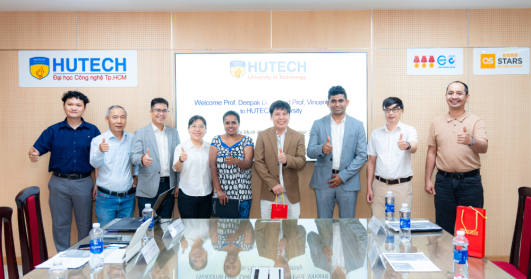
HUTECH and Queensland University of Technology (Australia) explore research collaboration in materials and sustainable energy
Building on shared research interests, Ho Chi Minh City University of Technology (HUTECH) and Queensland University of Technology (QUT), Australia,...
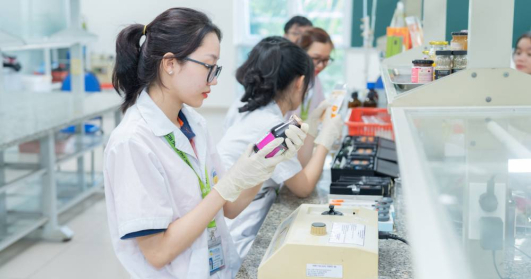
HUTECH establishes the Faculty of Aesthetics and Life Sciences, strengthening connections with the Health Sciences
Renamed from the Institute of Applied Sciences and becoming an academic unit under the HUTECH School of Medicine and Health Sciences, the Faculty...
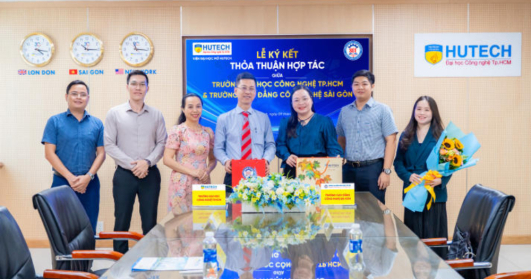
HUTECH signs MoU with Saigon College of Technology, expanding development opportunities for learners
On September 9, Ho Chi Minh City University of Technology (HUTECH) and Saigon College of Technology signed a Memorandum of Understanding (MoU) on...
HUTECH establishes HUTECH School of Engineering, strengthening connections across engineering and technology disciplines
Ho Chi Minh City University of Technology (HUTECH) has officially established the HUTECH School of Engineering through the restructuring of the...